Sila Blume
-
The Life You Give: Maya Angelou *1928
Maya Angelou, born Marguerite Annie Johnson, on April 4, 1928, in St. Louis, Missouri, U.S.A., is the poet, memoirist, and actress whose several volumes of autobiography explore the themes of economic, racial, and sexual oppression. Although born in St. Louis, Angelou spent much of her childhood in the care of her paternal grandmother in rural…

-
Consistencies
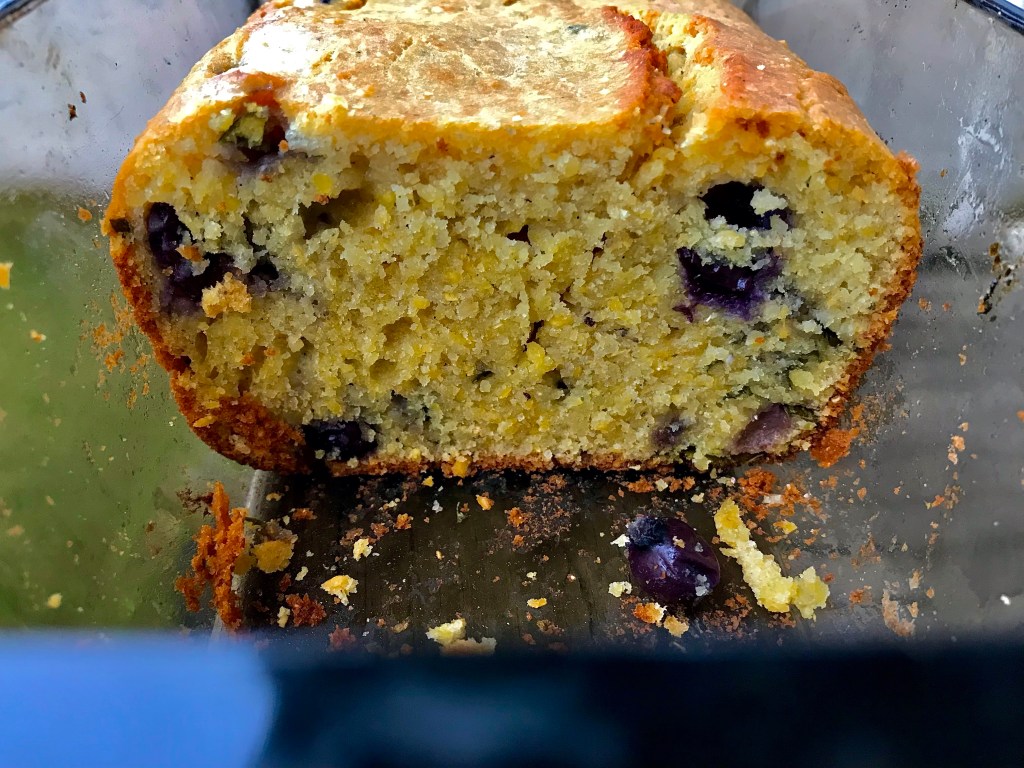
Consistencies —- plural —- as in the frequency factor, and the texture achieved. Weather, water, ingredients, oven, as well as the balance or lack thereof pertaining mind state, heart state, and hand movements coming together for the individual baking a loaf, all will determine what is coming out of the oven after fifty minutes, be…
-
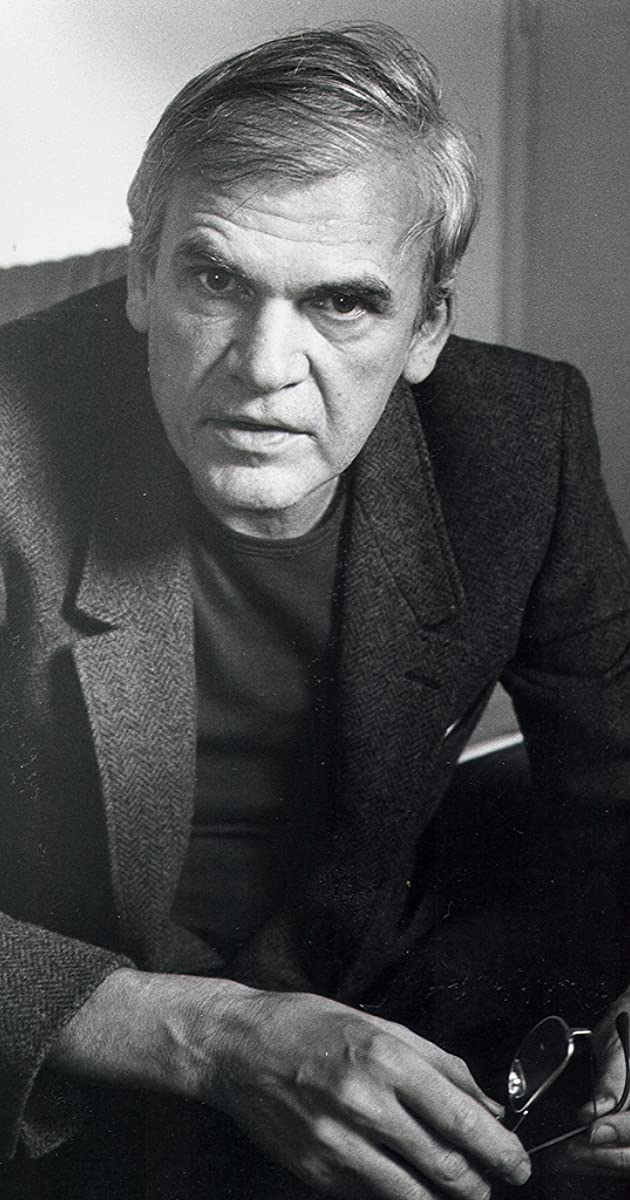
The Life You Give: Milan Kundera *April 1 1929
Milan Kundera, born April 1, 1929, in Brno, Czechoslovakia [now in Czech Republic]), is novelist, short-story writer, playwright, essayist, and poet whose works combine erotic comedy with political criticism and philosophical speculation. The son of a noted concert pianist and musicologist, Ludvik Kundera, the young Kundera studied music but gradually turned to writing, and he…