Orchestra
-
Gloria Coates *X 10 1938 — The Life You Give
An American composer who has made her career for the most part in Germany, Gloria Coates was born in Wisconsin in 1938. As a child, she sang on local radio and in her early teens, she took top honors at a National Federation of Music Clubs Composition Contest. This girl from rural Wisconsin headed over…

-
Camille Saint-Saëns *X 9 1835 — The Life You Give
Camille Saint-Saëns, in full Charles-Camille Saint-Saëns, born October 9, 1835, in Paris, France, is the composer chiefly remembered for his symphonic poems—the first of that genre to be written by a Frenchman—and for his opera Samson et Dalila. Saint-Saëns was notable for his pioneering efforts on behalf of French music, and he was a gifted…

-
Steve Reich *X 3 1936 — The Life You Give
Steve Reich, born Stephen Michael Reich, October 3, 1936, in New York, New York, U.S.A., is the composer who was one of the leading exponents of Minimalism, a style based on repetitions and combinations of simple motifs and harmonies. Reich was the son of an attorney and a singer-lyricist. He majored in philosophy at Cornell…

-
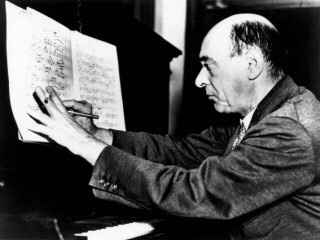
Arnold Schönberg *IX 13 1874 — The Life You Give
Arnold Schoenberg, born Arnold Franz Walter Schönberg, September 13, 1874 in Vienna, Austria, is the composer who created new methods of musical composition involving atonality, namely serialism and the 12-tone row. He was also one of the most-influential teachers of the 20th century; among his most-significant pupils were Alban Berg and Anton Webern. Schoenberg’s father,…
-
Henry Purcell *IX 10 1659 / The Life You Give
Henry Purcell, born September 10 1659, London, England, is the composer of the middle Baroque period, most remembered for his more than 100 songs; a tragic opera, Dido and Aeneas; and his incidental music to a version of Shakespeare’s A Midsummer Night’s Dream called The Fairy Queen. Purcell, the most important English composer of his…

-
Anton Bruckner *IX 4 1824 — The Life You Give
Anton Bruckner, born Josef Anton Bruckner, Sept. 4, 1824, in Ansfelden, Austria, is the composer of a number of highly original and monumental symphonies. He was also an organist and teacher who composed much sacred and secular choral music. Bruckner was the son of a village schoolmaster and organist in Upper Austria. He showed talent…

-
Leonard Bernstein *VIII 25 1918 / The Life You Give
Leonard Bernstein, born August 25, 1918, in Lawrence, Massachusetts, is the conductor, composer, and pianist noted for his accomplishments in both classical and popular music, for his flamboyant conducting style, and for his pedagogic flair, especially in concerts for young people. Bernstein played piano from age 10. He attended Boston Latin School; Harvard University (A.B.,…

-
Karlheinz Stockhausen *VIII 22 1928 / The Life You Give
Karlheinz Stockhausen, born Aug. 22, 1928, in Mödrath, near Cologne, Germany, is the composer, and important creator and theoretician of electronic and serial music who strongly influenced avant-garde composers from the 1950s through the ’80s. Stockhausen studied at the State Academy for Music in Cologne and the University of Cologne from 1947 to 1951. In…

-
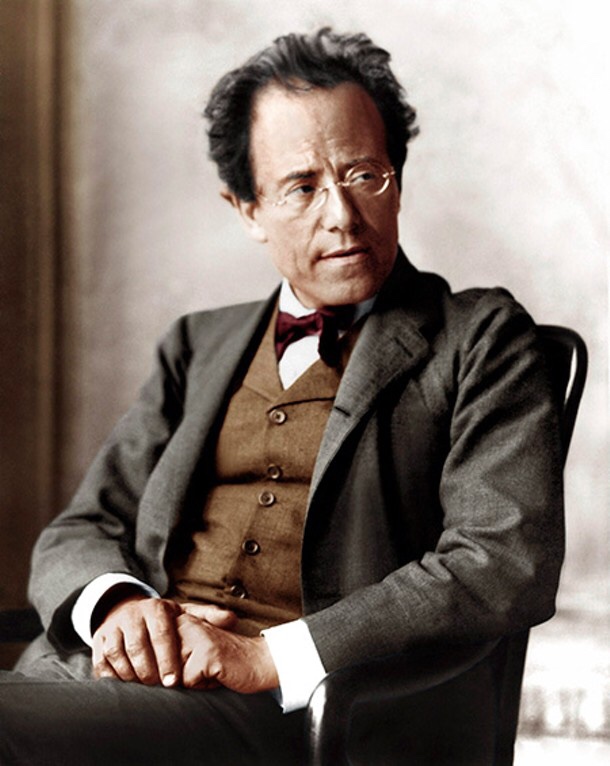
Gustav Mahler *VII 7 1860 — The Life You Give
Gustav Mahler, born July 7, 1860, in Kaliště, Bohemia, Austrian Empire, is the composer and conductor, noted for his 10 symphonies and various songs with orchestra, which drew together many different strands of Romanticism. Although his music was largely ignored for 50 years after his death, Mahler was later regarded as an important forerunner of…
-
Hans Werner Henze *VII 1 1926 — The Life You Give
Hans Werner Henze, born July 1, 1926, in Gütersloh, Germany, is the composer whose operas, ballets, symphonies, and other works are marked by an individual and advanced style wrought within traditional forms. Henze was a pupil of the noted German composer Wolfgang Fortner and of René Leibowitz, the leading French composer of 12-tone music. One…

-
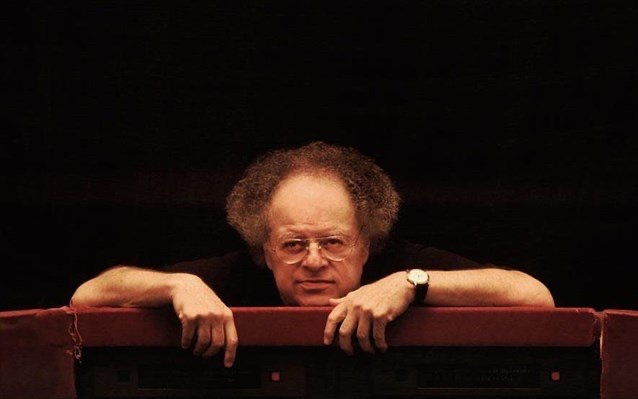
Remembering James Levine *VI 23 1943
James Levine, born June 23, 1943, in Cincinnati, Ohio, U.S.A., is the conductor and pianist, especially noted for his work with the Metropolitan Opera (Met) of New York City. He was considered the preeminent American conductor of his generation. As a piano prodigy, Levine made his debut in 1953 with the Cincinnati Orchestra in Ohio.…
-
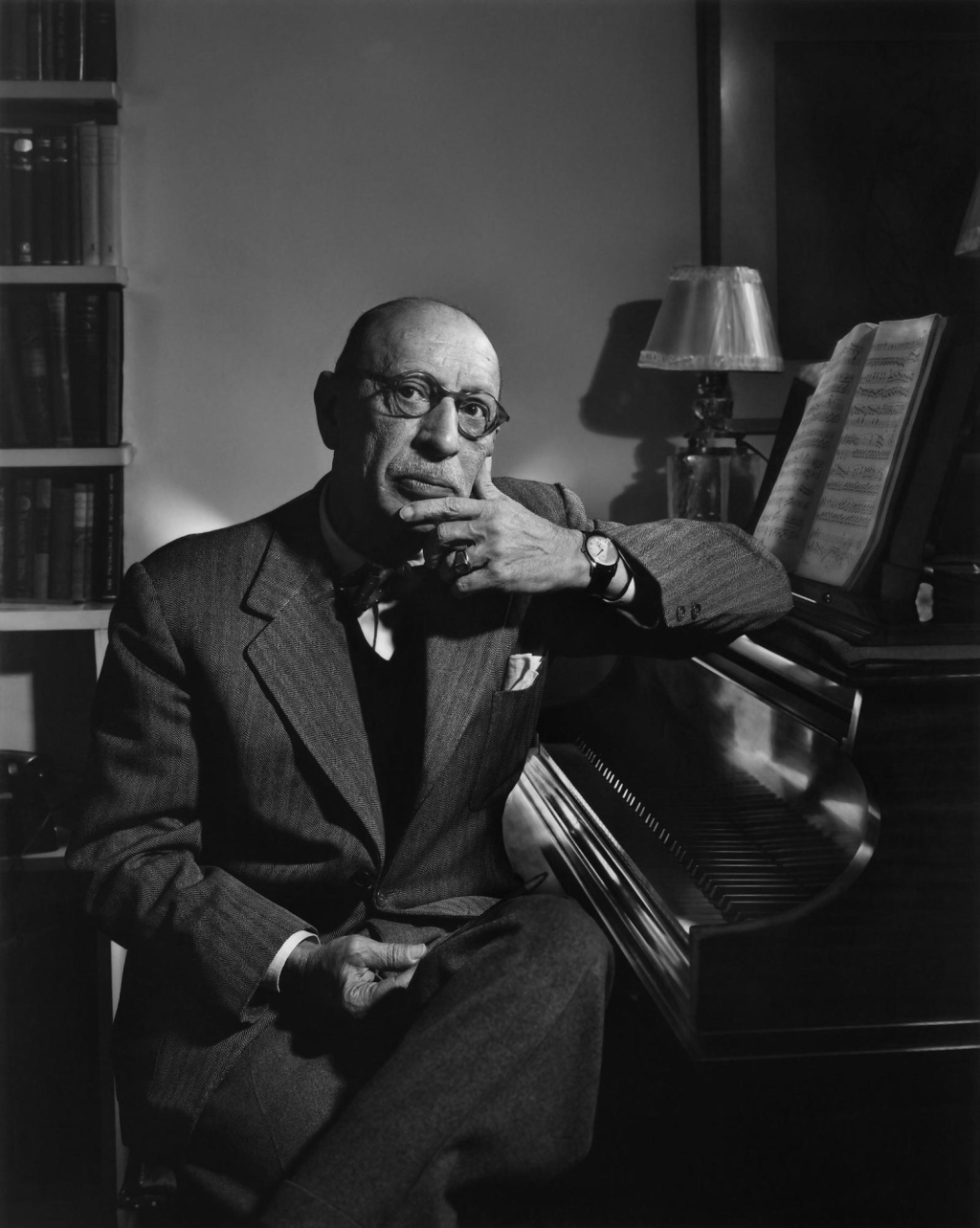
Igor Stravinsky *VI 17 1882 — The Life You Give
Igor Stravinsky, born Igor Fyodorovich Stravinsky, June 5 [June 17, New Style], 1882, Oranienbaum [now Lomonosov], near St. Petersburg, Russia, is the composer whose work had a revolutionary impact on musical thought and sensibility just before and after World War I, and whose compositions remained a touchstone of modernism for much of his long working…
-
Edvard Grieg *VI 15 1843 — The Life You Give
Edvard Grieg, born Edvard Hagerup Grieg, June 15, 1843, in Bergen, Norway, is the composer who was a founder of the Norwegian nationalist school of music. His father, Alexander Grieg, was British consul at Bergen. The Grieg (formerly Greig) family was of Scottish origin, the composer’s grandfather having emigrated after the Battle of Culloden. His…

-
Edward Elgar *VI 2 1857 — The Life You Give
Sir Edward Elgar, born Edward William Elgar, June 2, 1857, in Broadheath, Worcestershire, England, is the composer whose works in the orchestral idiom of late 19th-century Romanticism—characterized by bold tunes, striking colour effects, and mastery of large forms—stimulated a renaissance of English music. The son of an organist and music dealer, Elgar left school at…

-
György Ligeti *V 28 1923 — The Life You Give
György Ligeti, born György Sándor Ligeti, May 28, 1923, in Diciosânmartin [now Tîrnăveni], Transylvania, Romania, is a leading composer of the branch of avant-garde music concerned principally with shifting masses of sound and tone colours. Ligeti, the great-nephew of violinist Leopold Auer, studied and taught music in Hungary until the Hungarian Revolution in 1956, when…


