Opera
-
Coffee in the Opera
MIMÌLet me look around.How wonderful it is here.I’ll recover… I will…I feel life here again.You won’t leave me ever… RODOLFOBeloved lips,you speak to me again. MUSETTAWhat is there in the house? MARCELLONothing. MUSETTANo coffee? No wine? MARCELLONothing. Poverty! SCHAUNARDShe’ll be dead within half an hour! “La bohème” (1896)by Giacomo Puccini (1858-1924)Libretto by Luigi Illica, Giuseppe…
-
I’m back in Vienna!
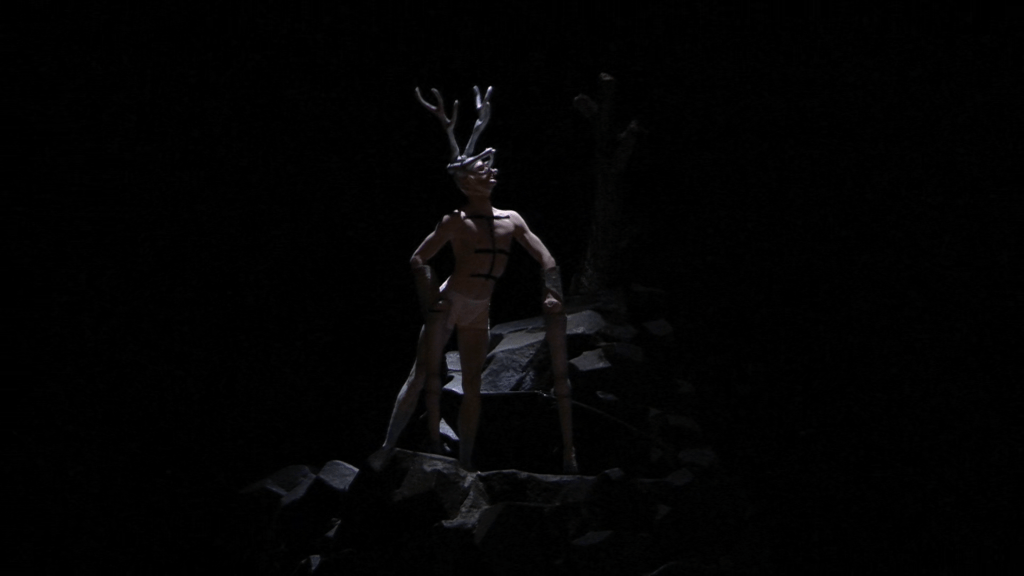
Storytelling à la Norway, in the words of Henrik Ibsen. “Peer Gynt” his five-act play, set to the music of the incomparable Edward Grieg, interpreted as an expressive evening of ballet and movement, is loosely based on the Norwegian fairy tale. Beautiful music and sounds Poetic pictures Surrealism … It pleasantly points out that, while…
-
Today I am in Vienna!
Today I will be in the most magnificent city on this planet. The Metropolitan Opera in New York is playing operas I am not interested in, so I will not be here. Today, mind and ears will be in Vienna. To my wonderful friends in Vienna, do not try to meet me, for I will…
-
Words from the Opera — When horror breaks one heart, all hearts are broken
Balstrode:We’ll find him, maybe give a hand. Ellen:We have no power to help him now. Balstrode:We have the power. We have the power.In the black momentWhen your friend suffersUnearthly tormentWe cannot turn our backs.When horror breaks one heartAll hearts are broken. From the opera “Peter Grimes“ op. 33Composer: Benjamin BrittenFrom the poem by George Crabbe
-
Truth cannot be known to mortals*
If truth cannot be known to mortals, why is the word in our vocabulary? *The words of Klytämnestra, in “Electra”.Opera in one act, by Richard Strauss (1864–1949).Clytemnestra, in Greek mythology, is a goddess, wife of Agamemnon, and mother of Electra, Chrysothemis, and Orestes
-
Anna Bolena — tragically interrupted
Anna Bolena wrapped her long hair in one hand, lifted it above her shoulder, arm stretched, and walked decisively a few steps before an abrupt stop, swinging her black tail frontwards in an arch over her head where it hung before her forehead, as she took a drastic bow that exposed her neck to the…

-
Words at the Opera — Hamlet
The wiser among us are the madmen. Hamlet / Grand Opera in five acts (1868) by Ambroise Thomas
-
Words at the Opera — we know enough
Wotan: Your cryptic words fill me with awe. Stay, and advice me further! Erda: You heard my words. You know enough. Wotan (Odin), is the chief God in Scandinavian mythology, and leader of the possessed. Erda is the Norse Goddess of the earth.
-
Words at the Opera — fear
Siegfried: Is it some skill I need? Tell me! What is this “fearing”? Mime: If you’ve never felt that, you don’t know what fear is. Siegfried: How strange a feeling that must be! “Siegfried”Richard Wagner — music and libretto
-
When a Day foretells itself in Absence
That was the Richard Wagner week. The New York Metropolitan Opera streamed some of his masterpieces on a daily basis. Today I will be delighting in yesterday’s streaming of Parsifal. Knowing the schedule in advance, has allowed me to prepare each day accordingly, more or less around the operatic work. I knew, therefore, this day…

-
The Imprisoned in Paradise School for an all encompassing Life with Circumstances
A fear began to simmer as twenty/twenty began. Twenty twenty is a symbol of good vision — actually, a common measurement for average good sight. By March, the entire globe was hiding, like true globalism in unexpected fashion. Very soon I embraced the idea of being imprisoned in paradise. Limitations became the opportunity to unfold,…
-
Voice of a Young Sailor
Westwardsthe gaze wanders;eastwardsskims the ship.Fresh the wind blowstowards home:my Irish child,where are you now?Is it your wafting sighsthat swell my sails?Blow, blow, you wind!Ah, alas, my child!Irish girl,you wild, adorable girl! Voice of a young sailor(heard from a height, as if from the masthead)in “Tristan and Isolde”by Richard Wagner
-
Words at the Opera
“Humans are humans, cast out by the elements, long ago torn from the roots of the earth” — Ježibaba, a witch, in Rusalka, by Antonin Dvořák, libretto from poet Jaroslav Kvapil

 Sila Blume