classical music
-
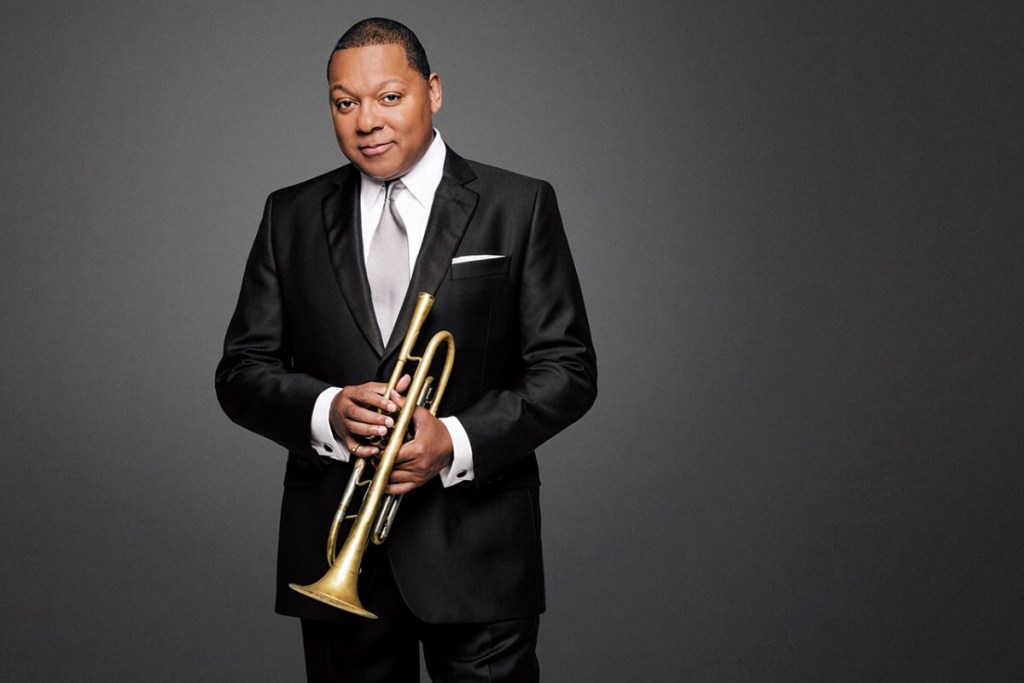
Happy Birthday, Wynton Marsalis *X 18 1961
The most famous musician in contemporary jazz, Wynton Marsalis had a major impact almost from the start. In the early ’80s, it was major news that a young and talented Black musician would choose to make a living playing acoustic jazz rather than fusion, funk, or R&B. Marsalis’ arrival on the scene started the “Young…
-
Giuseppe Verdi *X 9/10 1813 — The Life You Give
Giuseppe Verdi, born Giuseppe Fortunino Francesco Verdi, October 9/10, 1813, Roncole, near Busseto, duchy of Parma , Italy, is the leading Italian composer of opera in the 19th century, noted for operas such as Rigoletto (1851), Il trovatore (1853), La traviata (1853), Don Carlos (1867), Aida (1871), Otello (1887), and Falstaff (1893) and for his…

-
Camille Saint-Saëns *XI 9 1835 — The Life You Give
Camille Saint-Saëns, in full Charles-Camille Saint-Saëns, (born October 9, 1835, Paris, France—died December 16, 1921, Algiers [Algeria]), composer chiefly remembered for his symphonic poems—the first of that genre to be written by a Frenchman—and for his opera Samson et Dalila. Saint-Saëns was notable for his pioneering efforts on behalf of French music, and he was…

-
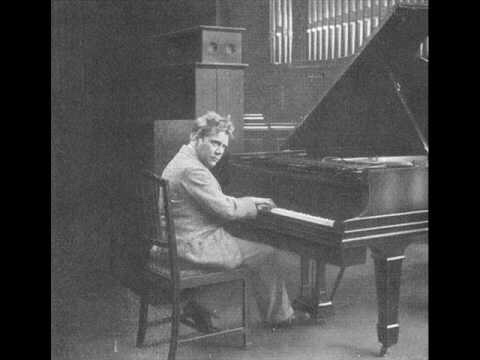
Edwin Fischer *X 6 1886 — The Life You Give
Edwin Fischer was a Swiss pianist, conductor, and educator during the first half of the 20th century. He was known for his expressive interpretations of the piano music of J.S. Bach and Mozart. Fischer was born in 1886 in Basle, Switzerland, and he started playing the piano when he was four years old. Both of…
-
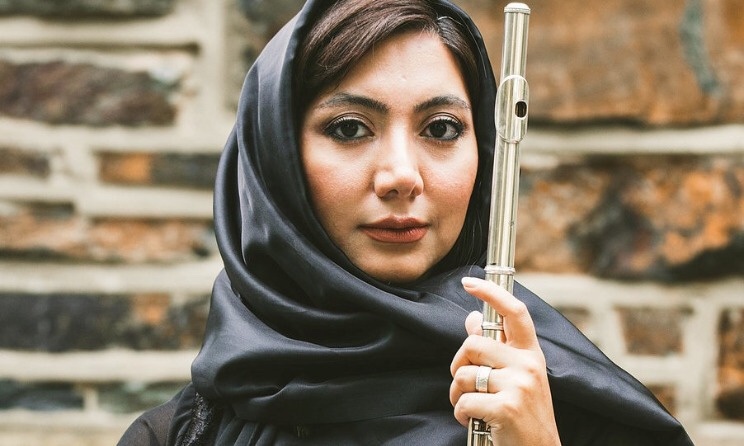
Iranian Music — Kelariz Keshavarz
Kelariz Keshavarz is an international award-winning flutist, active in classical and contemporary spheres, an avid sound artist, improviser, and pedagogue. Passionate about contemporary music, Kelariz has performed in many festivals including Tehran Contemporary Music Festival (TCMF) in Iran, Missouri International Composers Festival (MICF), Flute New Music Consortium (FNMC), Music Teachers National Association (MTNA) conference, and…
-
Steve Reich *X 3 1936 — The Life You Give
Steve Reich, born Stephen Michael Reich, October 3, 1936, in New York, New York, U.S.A., is the composer who was one of the leading exponents of Minimalism, a style based on repetitions and combinations of simple motifs and harmonies. Reich was the son of an attorney and a singer-lyricist. He majored in philosophy at Cornell…

-
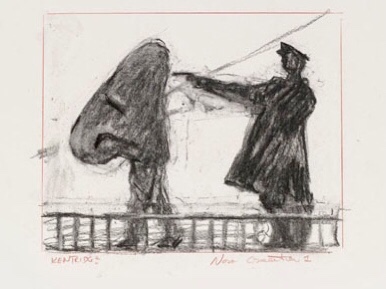
Dmitri Shostakovich *IX 25 1906 — The Life You Give
Dmitri Shostakovich, born Dmitri Dmitriyevich Shostakovich, on September 12 [September 25, New Style], 1906, in St. Petersburg, Russia, is the composer renowned particularly for his 15 symphonies, numerous chamber works, and concerti, many of them written under the pressures of government-imposed standards of Soviet art. Shostakovich was the son of an engineer. He entered the…
-
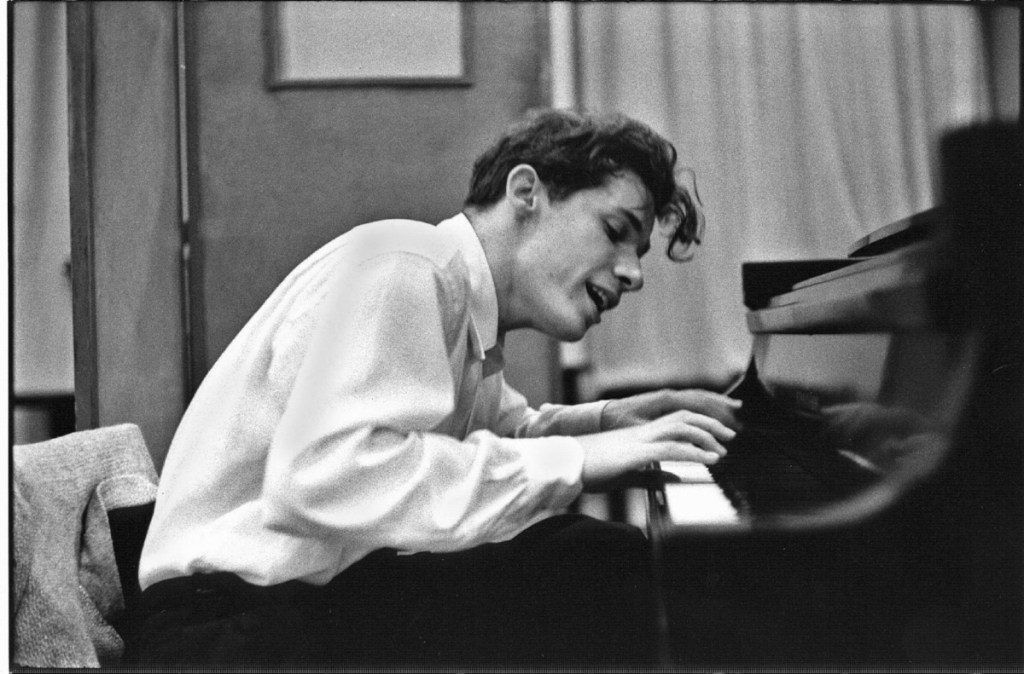
Glenn Gould *IX 25 1932 — The Life You Give
Glenn Gould, born Glenn Herbert Gold, September 25, 1932, in Toronto, Ontario, Canada, is the pianist known for his contrapuntal clarity and brilliant, if often unorthodox, performances. Gould studied piano from the age of 3, began composing at 5, and entered the Royal Conservatory of Music of Toronto at 10, earning its associate degree in…
-
Vladimir Horowitz *IX 18 1903 / The Life You Give
Vladimir Horowitz, born September 18 [Old Style], 1903, in Berdichev, Russia [now in Ukraine], is the virtuoso pianist in the Romantic tradition who was celebrated for his flawless technique and an almost orchestral quality of tone. Horowitz’s performances of works by Franz Liszt, Sergey Rachmaninoff, Frédéric Chopin, Aleksandr Scriabin, Domenico Scarlatti, and Sergey Prokofiev were…

-
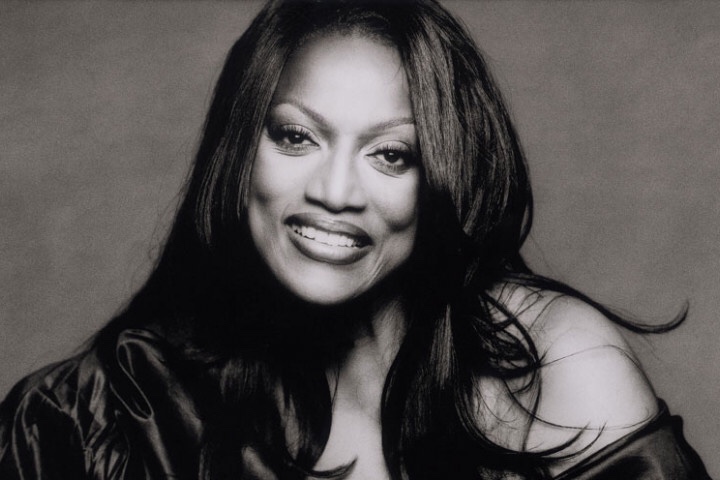
Jessye Norman *IX 15 1945 — The Life You Give
Jessye Norman, born Jessye Mae Norman on September 15, 1945, in Augusta, Georgia, U.S.A., is the operatic soprano, one of the finest of her day, who also enjoyed a successful concert career. Norman was reared in a musical family. Both her mother and grandmother were pianists and her father sang in church, as did the…
-
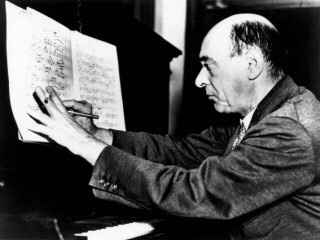
Arnold Schönberg *IX 13 1874 — The Life You Give
Arnold Schoenberg, born Arnold Franz Walter Schönberg, September 13, 1874 in Vienna, Austria, is the composer who created new methods of musical composition involving atonality, namely serialism and the 12-tone row. He was also one of the most-influential teachers of the 20th century; among his most-significant pupils were Alban Berg and Anton Webern. Schoenberg’s father,…
-
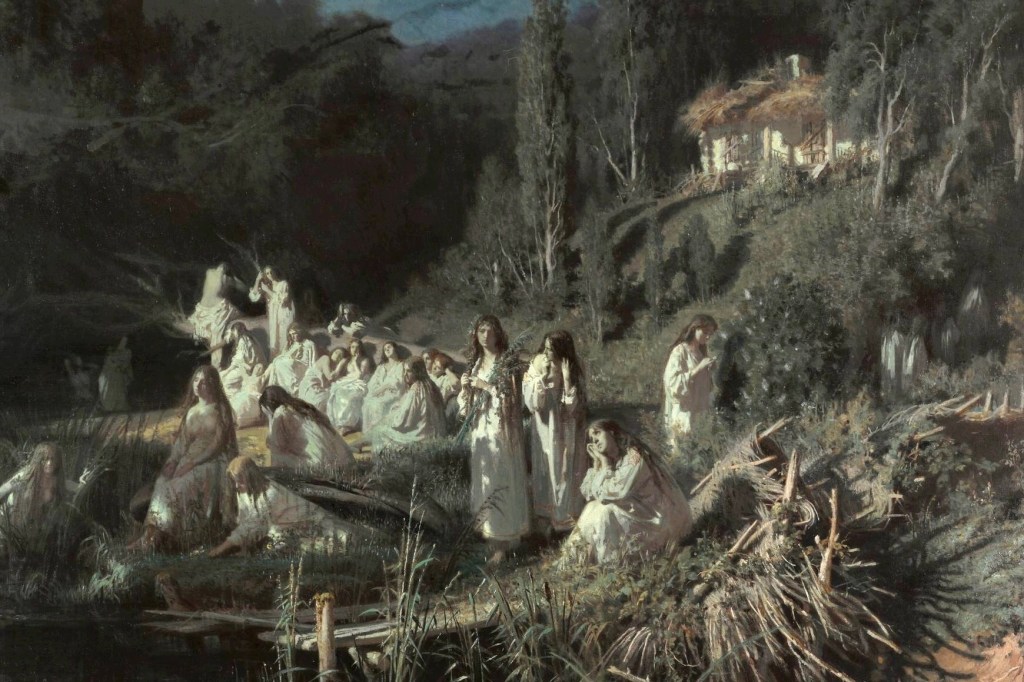
The Life You Give: Antonin Dvořák *IX 8 1841
Antonín Dvořák, born Antonín Leopold Dvořák, September 8, 1841, in Nelahozeves, Bohemia, Austrian Empire [now in Czech Republic], is the first Bohemian composer to have achieved worldwide recognition, noted for turning folk material into 19th-century Romantic music. Dvořák was born, the first of nine children, in Nelahozeves, a Bohemian village on the Vltava River north…
-
The Life You Give: Angela Gheorghiu *IX 7 1965
Angela Gheorghiu, born Angela Burlacu on September 7, 1965, in Adjud, Romania, is an operatic lyric soprano noted for her powerful voice and commanding stage presence. Gheorghiu early realized her love of singing, and she was supported by her family in working toward a career in opera. She left home at age 14 to study…

-
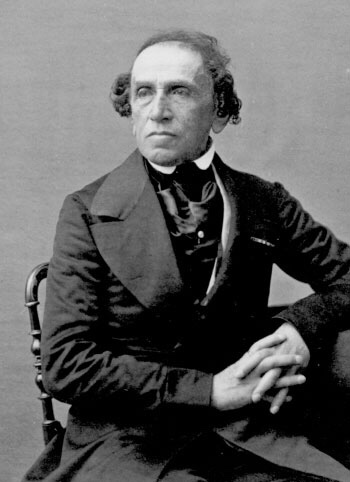
Robert the Devil, by Giacomo Meyerbeer *IX 5 1791 / TLYG
Giacomo Meyerbeer, born Jakob Liebmann Meyer Beer, September 5, 1791, in Tasdorf, near Berlin, Germany, is the opera composer who established in Paris a vogue for spectacular romantic opera. Born of a wealthy Jewish family, Meyerbeer studied composition in Berlin and later at Darmstadt, where he formed a friendship with C.M. von Weber. His early…
-
The Life You Give: Anton Bruckner *IX 4 1824
Anton Bruckner, born Josef Anton Bruckner, Sept. 4, 1824, in Ansfelden, Austria, is the composer of a number of highly original and monumental symphonies. He was also an organist and teacher who composed much sacred and secular choral music. Bruckner was the son of a village schoolmaster and organist in Upper Austria. He showed talent…


