Artists
-
Christa Ludwig *III 16 1928 — The Life You Give
Christa Ludwig was one of the most admired mezzo-sopranos of her generation, with a wide repertoire of both lieder and opera. She brought a fine sense of musicianship as well as drama to her performances. Her roles ranged from Dorabella in Così fan Tutte to Brangane in Tristan und Isolde and Clytemnestra in Elektra, and…

-
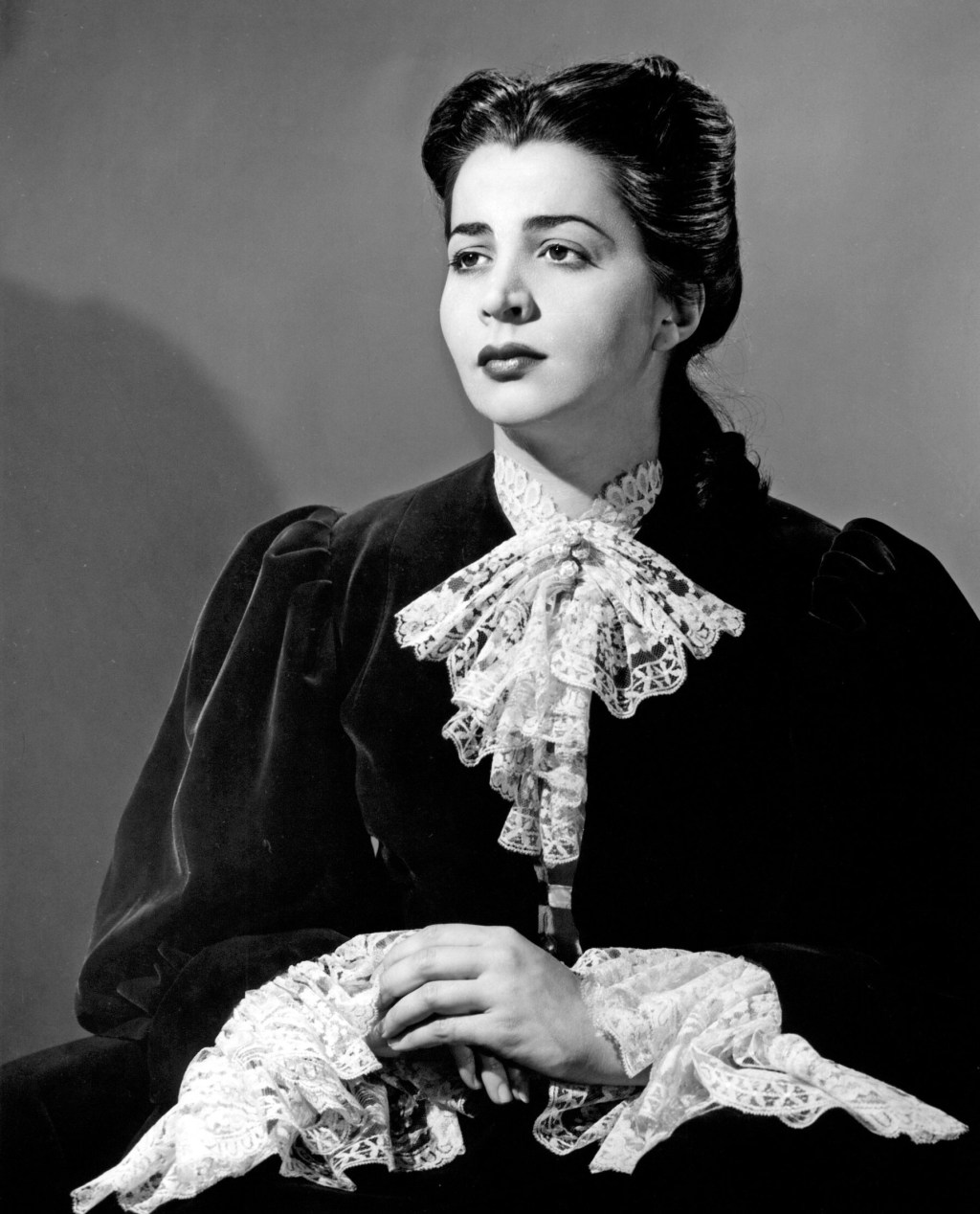
Rosalind Elias *III 13 1931 / The Life You Give
Mezzo-soprano Rosalind Elias had a long, leading career in opera on the international scene. She was most often heard at the Metropolitan Opera, where she spent more than 40 years as part of its company. There, and elsewhere, she performed in many American and world premieres. Elias was born on March 13, 1931, in Lowell,…
-
James Taylor *III 12 1948 / The Life You Give
James Taylor, born March 12 1948, in Boston, Massachusetts, U.S.A., is the singer, songwriter, and guitarist who defined the singer-songwriter movement of the 1970s. Bob Dylan brought confessional poetry to folk rock, but Taylor became the epitome of the troubadour whose life was the subject of his songs. Among the experiences that shaped Taylor, who…

-
Henry Cowell *III 11 1897 / The Life You Give
Of all the early twentieth century American musical revolutionaries, perhaps composer Henry Cowell wielded the most vivid and far-reaching influence. Born in 1897 to a rural California family, Cowell began to study the violin at age five, though his parents’ hopes of creating a prodigy on the instrument remained unfulfilled when the lessons had to…

-
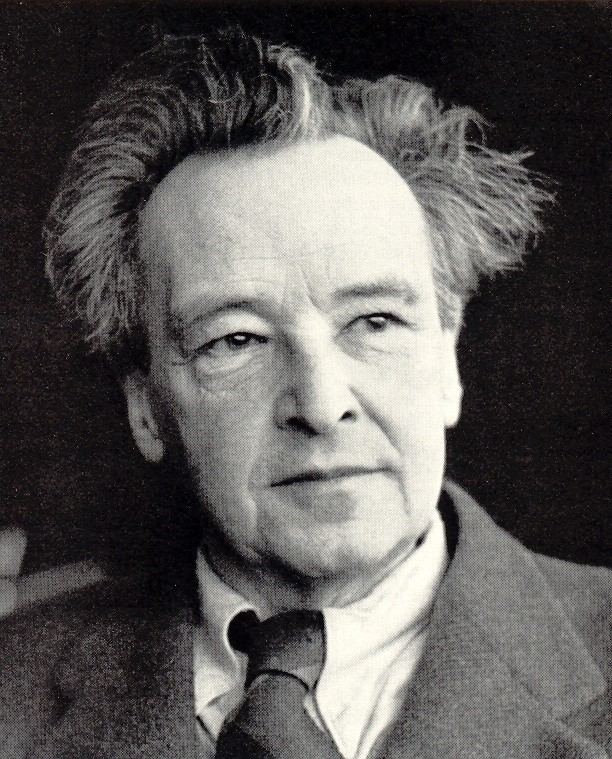
Arthur Honegger *III 10 1892 / The Life You Give
Born in France to Swiss parents, Arthur Honegger was a major twentieth century composer whose musical style was more cosmopolitan than either French or Swiss. An almost exact contemporary of Prokofiev (1891-1953), he rivaled Poulenc as the most successful member of Les Six and was without doubt among the greatest French composers of his day.…
-
Samuel Barber *III 9 1910 — The Life You Give
Early years Barber was born in West Chester, Pennsylvania, the son of Marguerite McLeod (née Beatty) and Samuel LeRoy Barber. At a very early age, Barber became profoundly interested in music, and it was apparent that he had great musical talent and ability. At the age of nine he wrote to his mother: Dear Mother:…

-
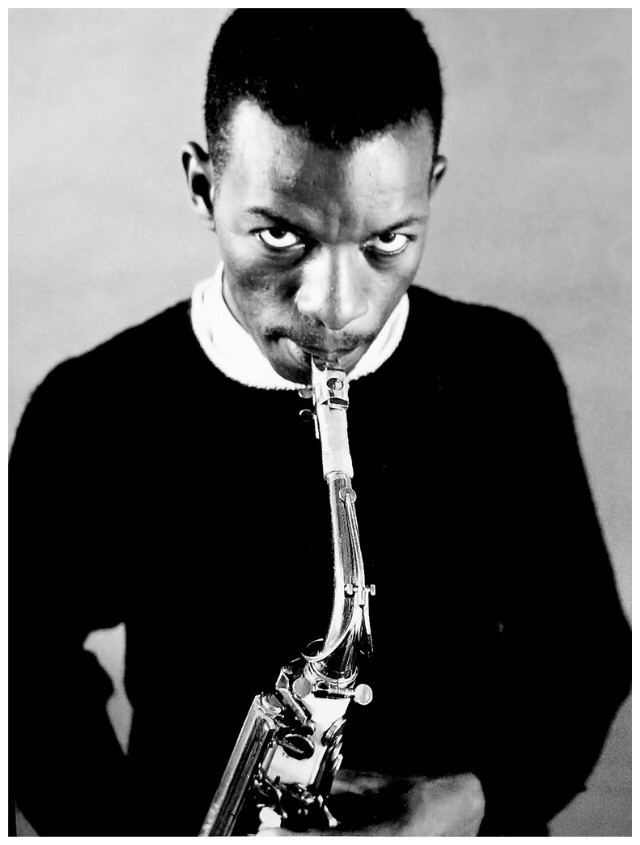
Ornette Coleman *III 9 1930 — The Life You Give
Ornette Coleman, born Randolph Denard Ornette Coleman, on March 9, 1930, in Fort Worth, Texas, U.S.A., is the jazz saxophonist, composer, and bandleader who was the principal initiator and leading exponent of free jazz in the late 1950s. Coleman began playing alto, then tenor saxophone as a teenager and soon became a working musician in…
-
Anselm Kiefer *III 8 1945 / The Life You Give
Anselm Kiefer, born March 8, 1945, in Donaueschingen, Germany, is the painter who became one of the most prominent figures in the Neo-Expressionist art movement of the late 20th century.Kiefer abandoned his law studies at the University of Freiburg in 1966 to pursue art. He subsequently studied at art academies in Freiburg, Karlsruhe, and Dusseldorf.…

-
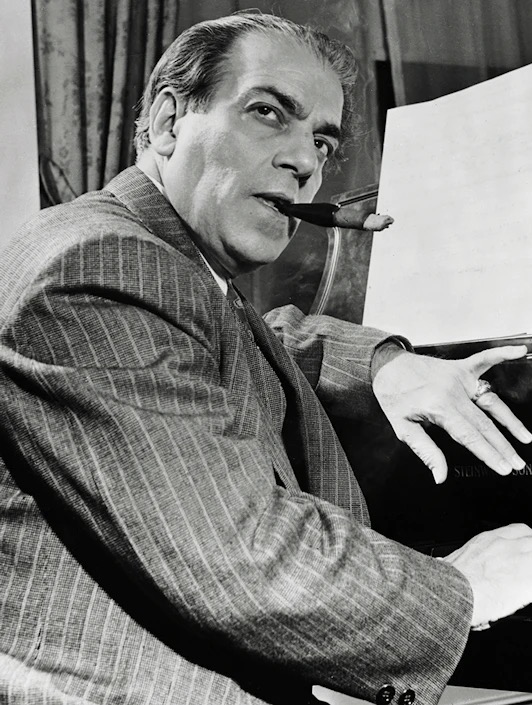
Heitor Villa-Lobos *III 5 1887 / The Life You Give
Heitor Villa-Lobos, born March 5, 1887, in Rio de Janeiro, Brazil, is the composer, and one of the foremost Latin American composers of the 20th century, whose music combines indigenous melodic and rhythmic elements with Western classical music.Villa-Lobos’s father was a librarian and an amateur musician. Under the influence of his father’s weekly musical get-togethers,…
-
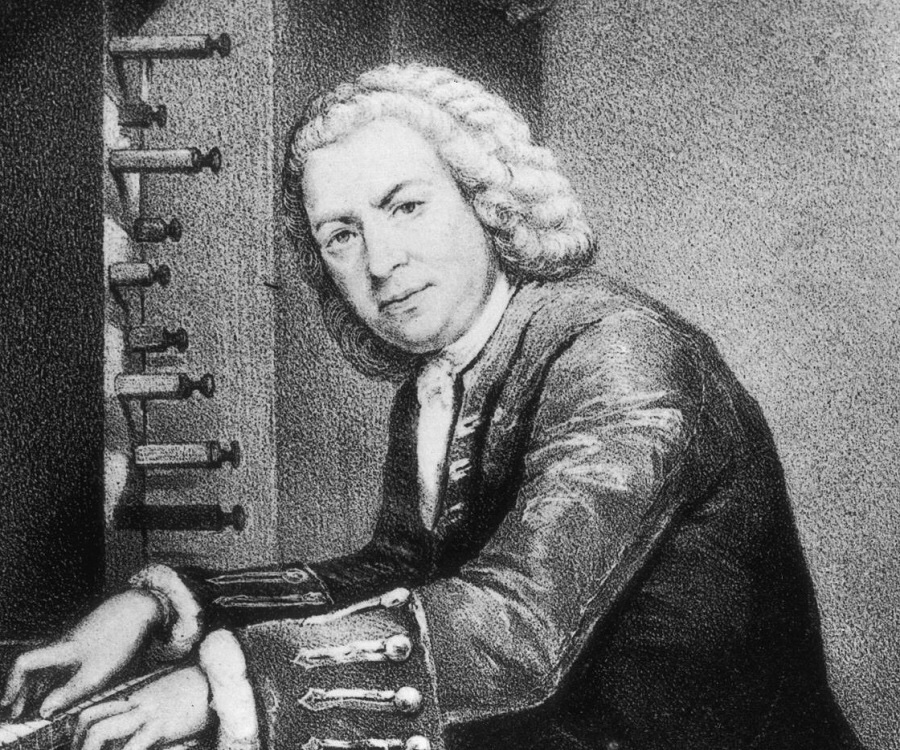
Antonio Vivaldi *III 4 1678 / The Life You Give
Antonio Vivaldi, born Antonio Lucio Vivaldi, on March 4 1678, in Venice, Republic of Venice [Italy], is the composer and violinist who left a decisive mark on the form of the concerto and the style of late Baroque instrumental music. Vivaldi’s main teacher was probably his father, Giovanni Battista, who in 1685 was admitted as…
-
Bedřich Smetana *III 2 1824 — The Life You Give
Bedřich Smetana, born March 2, 1824, in Leitomischl, Bohemia, Austrian Empire [now Litomyšl, Czech Republic], was composer of operas and symphonic poems, and founder of the Czech national school of music. He was the first truly important Bohemian nationalist composer. Smetana studied music under his father, an amateur violinist. He early took up piano under…

-
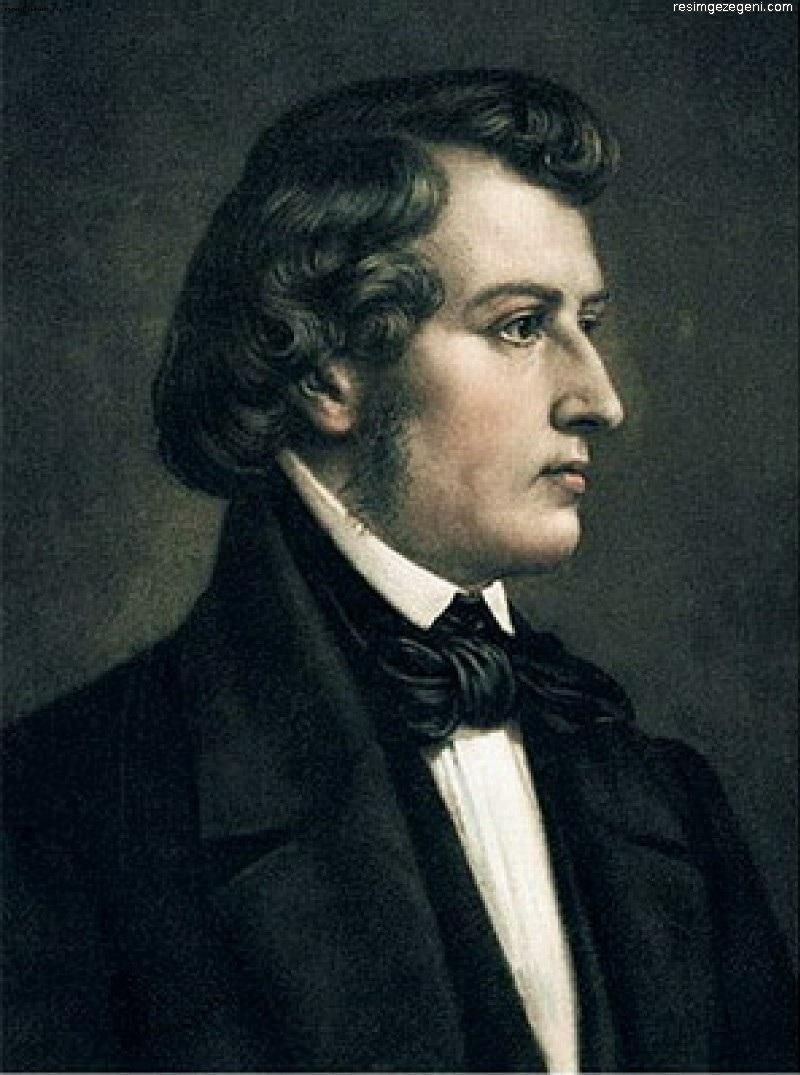
Frédéric Chopin *III 1 1810 — The Life You Give
Frédéric Chopin, Fryderyk Franciszek Szopen, on March 1, 1810, in Żelazowa Wola, near Warsaw, Duchy of Warsaw [now in Poland], was the composer and pianist of the Romantic period, best known for his solo pieces for piano and his piano concerti. Although he wrote little but piano works, many of them brief, Chopin ranks as…
-
Gioachino Rossini *February 29 1792 / The Life You Give
Gioachino Rossini, born Gioachino Antonio Rossini, on February 29 1792, in Pesaro, Papal States [Italy], is the composer noted for his operas, particularly his comic operas, of which The Barber of Seville (1816), Cinderella (1817), and Semiramide (1823) are among the best known. Of his later, larger-scale dramatic operas, the most widely heard is William…

-
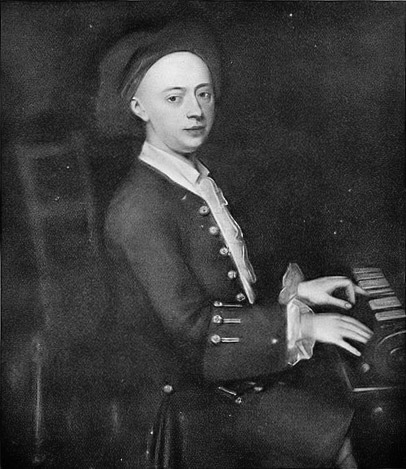
Georg Friedrich Händel *II 23 1685 — The Life You Give
George Frideric Handel, German (until 1715) Georg Friedrich Händel, Händel also spelled Haendel, (born February 23, 1685, Halle, Brandenburg [Germany]—died April 14, 1759, London, England), German-born English composer of the late Baroque era, noted particularly for his operas, oratorios, and instrumental compositions. He wrote the most famous of all oratorios, Messiah (1741), and is also…
-
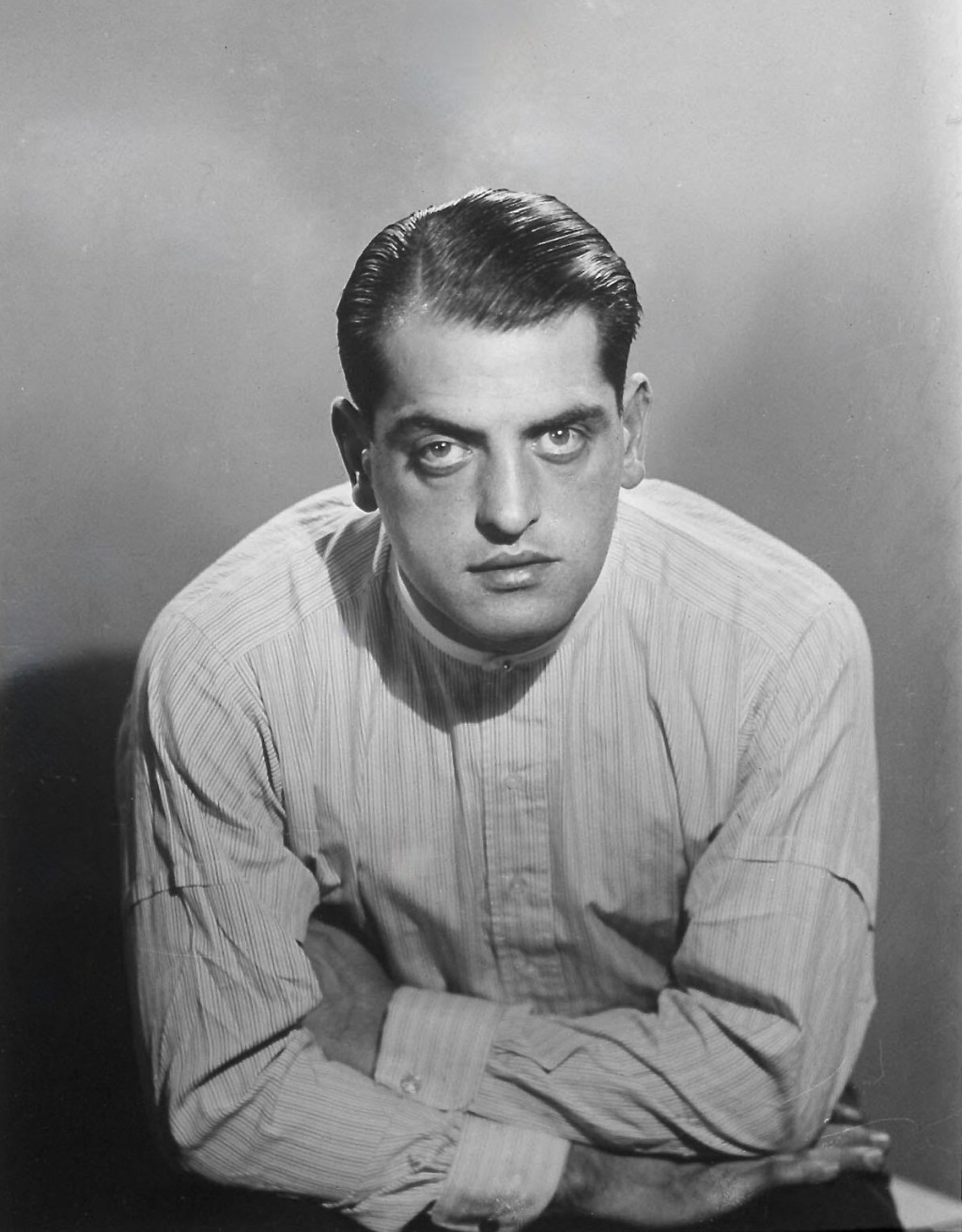
Days with Luis Buñuel *II 22 1900 / The Life You Give — La Vida Que Das
Luis Buñuel, born Luis Buñuel Portolés on February 22, 1900, Calanda, Aragón, Spain, is the filmmaker who was a leading figure in Surrealism, the tenets of which suffused both his life and his work. An unregenerate atheist and communist sympathizer who was preoccupied with themes of gratuitous cruelty, eroticism, and religious mania, he won early…