Sila Blume
-
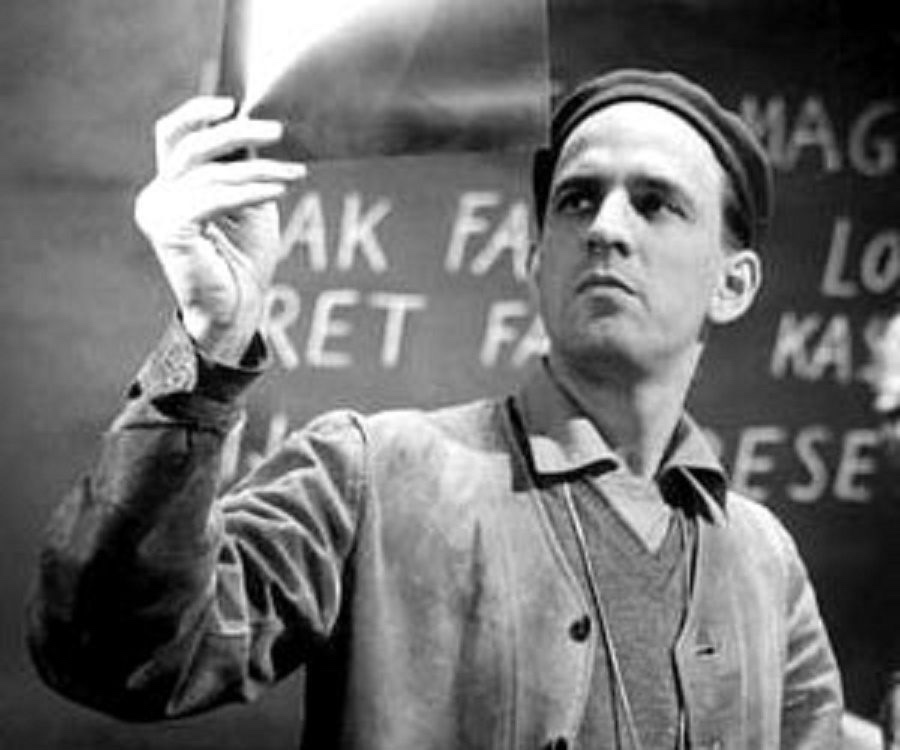
Ingmar Bergman *VII 14 1918 — The Life You Give
Ingmar Bergman, born Ernst Ingmar Bergman, July 14, 1918, in Uppsala, Sweden, is the film writer and director who achieved world fame with such films as Det sjunde inseglet (1957; The Seventh Seal); Smultronstället (1957; Wild Strawberries); the trilogy Såsom i en spegel (1961; Through a Glass Darkly), Nattsvardsgästerna (1963; The Communicants, or Winter Light),…
-
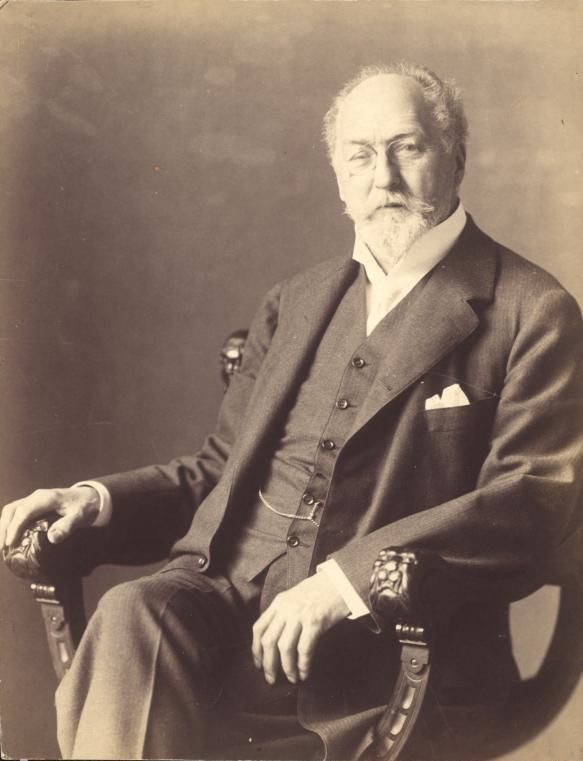
Otto Wagner *VII 13 1841 — The Life You Give
Otto Koloman Wagner, born July 13, 1841, in Penzing, near Vienna, is the architect and teacher, generally held to be a founder and leader of the modern movement in European architecture. Wagner’s early work was in the already-established Neo-Renaissance style. In 1893 his general plan (never executed) for Vienna won a major competition, and in 1894…
-
Pablo Neruda *VII 11 1904 — La Vida Que Das / The Life You Give
See biography in English below El mundo de la literatura es grotescamente amplio, con una cantidad de autores que, a lo largo de los años, han aportado su pequeño grano de arena al mundo literario. Sin embargo, algunos son más reconocidos que otros por diversas razones, incluso para aquellas personas que no son muy allegadas…

-
Herman Prey *VII 11 1929 — The Life You Give
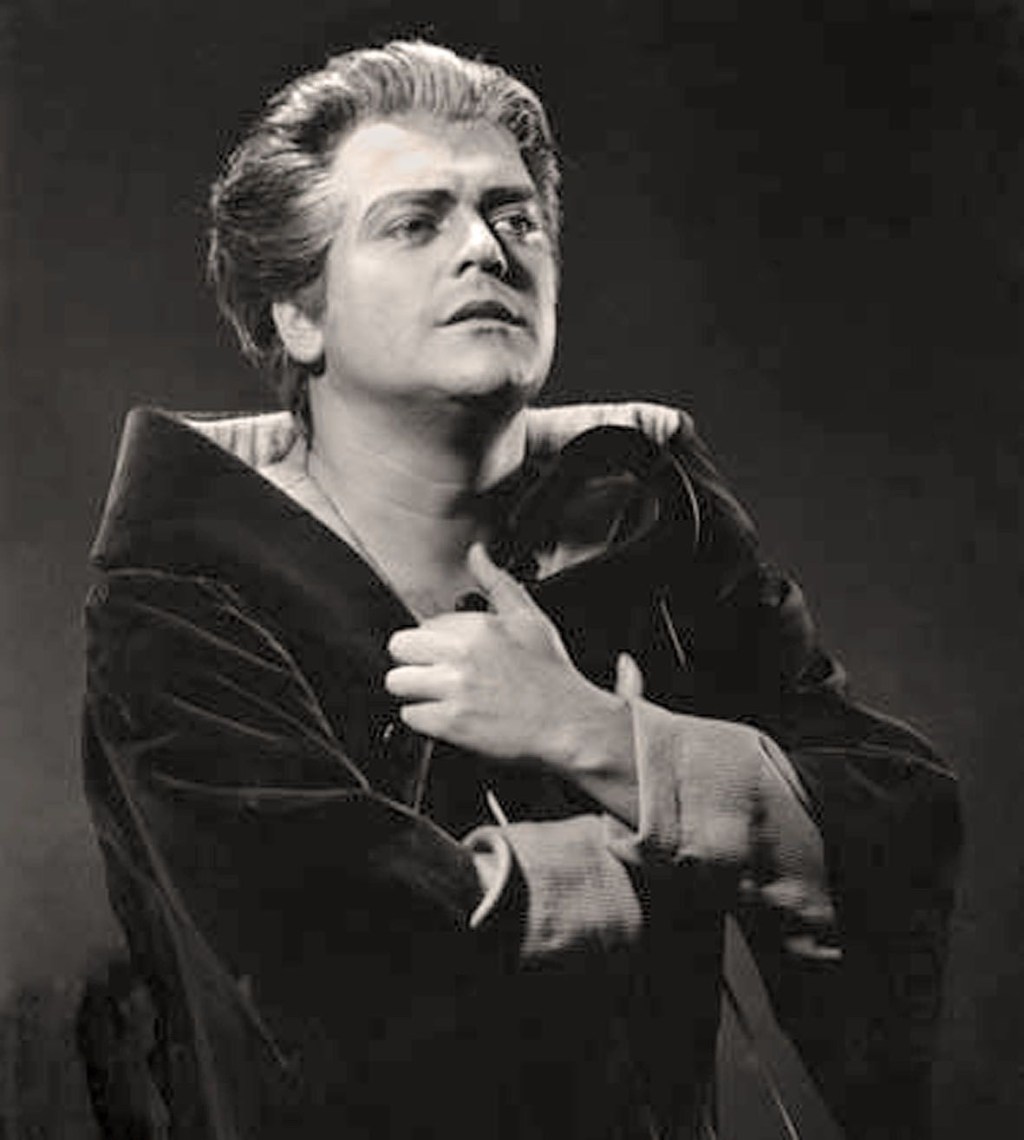
Growing up during the regime of the the National Socialist Party, Hermann Prey was scheduled to be drafted at the age of 15 when the end of World War II brought peace and a chance for him to study voice with Gunther Baum and Jaro Prohaska at the Hochschule fur Musik in Berlin. He sang…
-
Marcel Proust *VII 10 1871 — The Life You Give
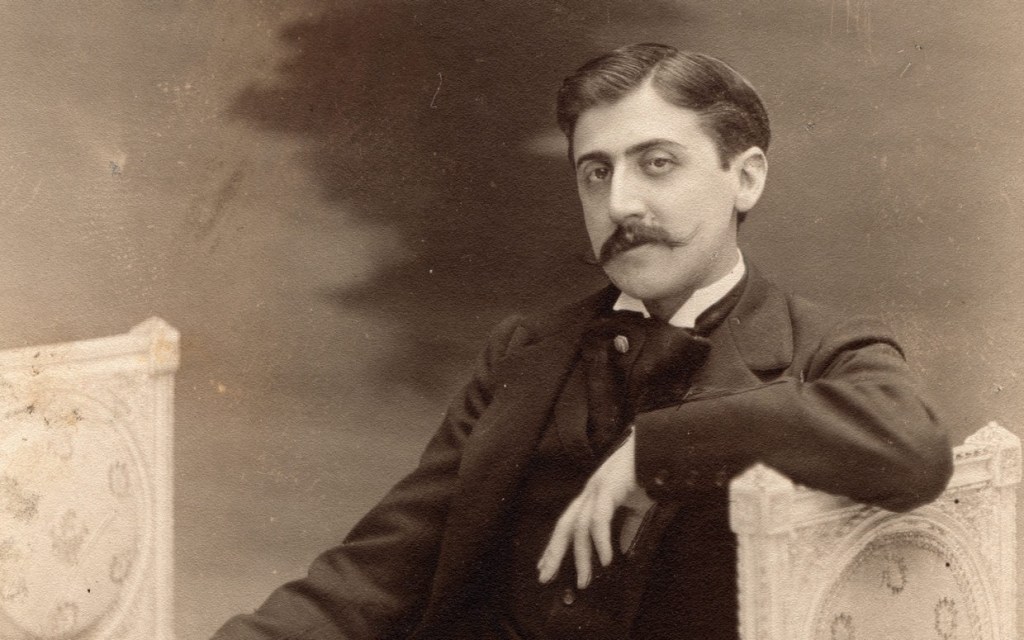
Marcel Proust, born Valentin Louis Georges Eugène Marcel Proust on July 10, 1871, in Auteuil, near Paris, France, is the novelist, author of À la recherche du temps perdu (1913–27; In Search of Lost Time), a seven-volume novel based on Proust’s life. The novel explores its subject matter from a psychological and allegorical standpoint and…
-
Carl Orff *VII 10 1895 — The Life You Give
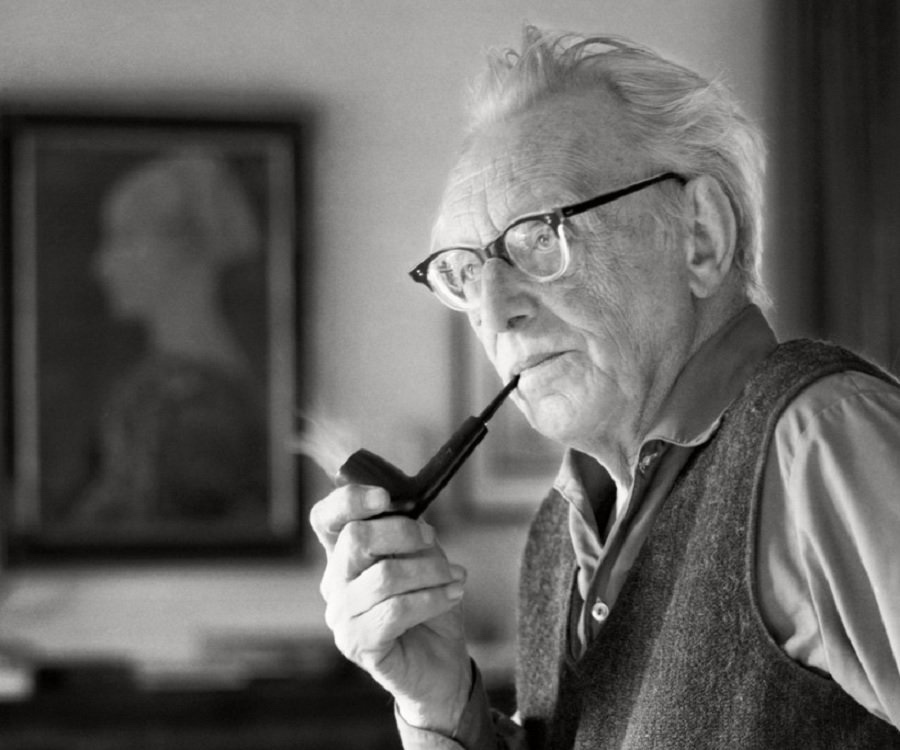
Carl Orff, born July 10, 1895, in Munich, Germany, is the composer known particularly for his operas and dramatic works and for his innovations in music education. Orff studied at the Munich Academy of Music and with the German composer Heinrich Kaminski and later conducted in Munich, Mannheim, and Darmstadt. His Schulwerk, a manual describing…
-
David Hockney *VII 9 1937 — The Life You Give
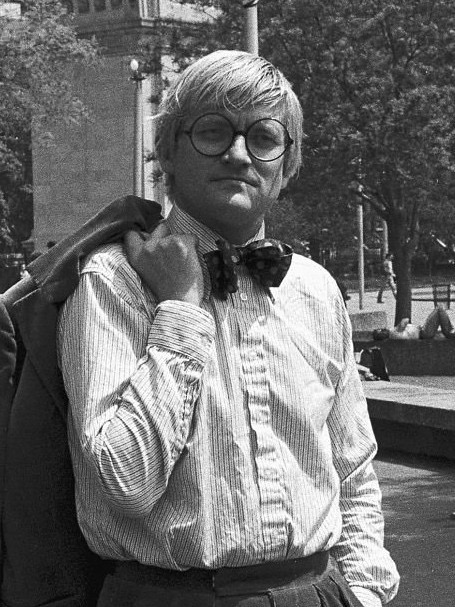
David Hockney, born July 9, 1937, in Bradford, Yorkshire, England, is the painter, draftsperson, printmaker, photographer, and stage designer whose works are characterized by economy of technique, a preoccupation with light, experimentation with media, and a frank mundane realism derived from Pop art and photography. Hockney was also unusually direct in his treatment of gay…
-
Bon Scott *VII 9 1946 — The Life You Give
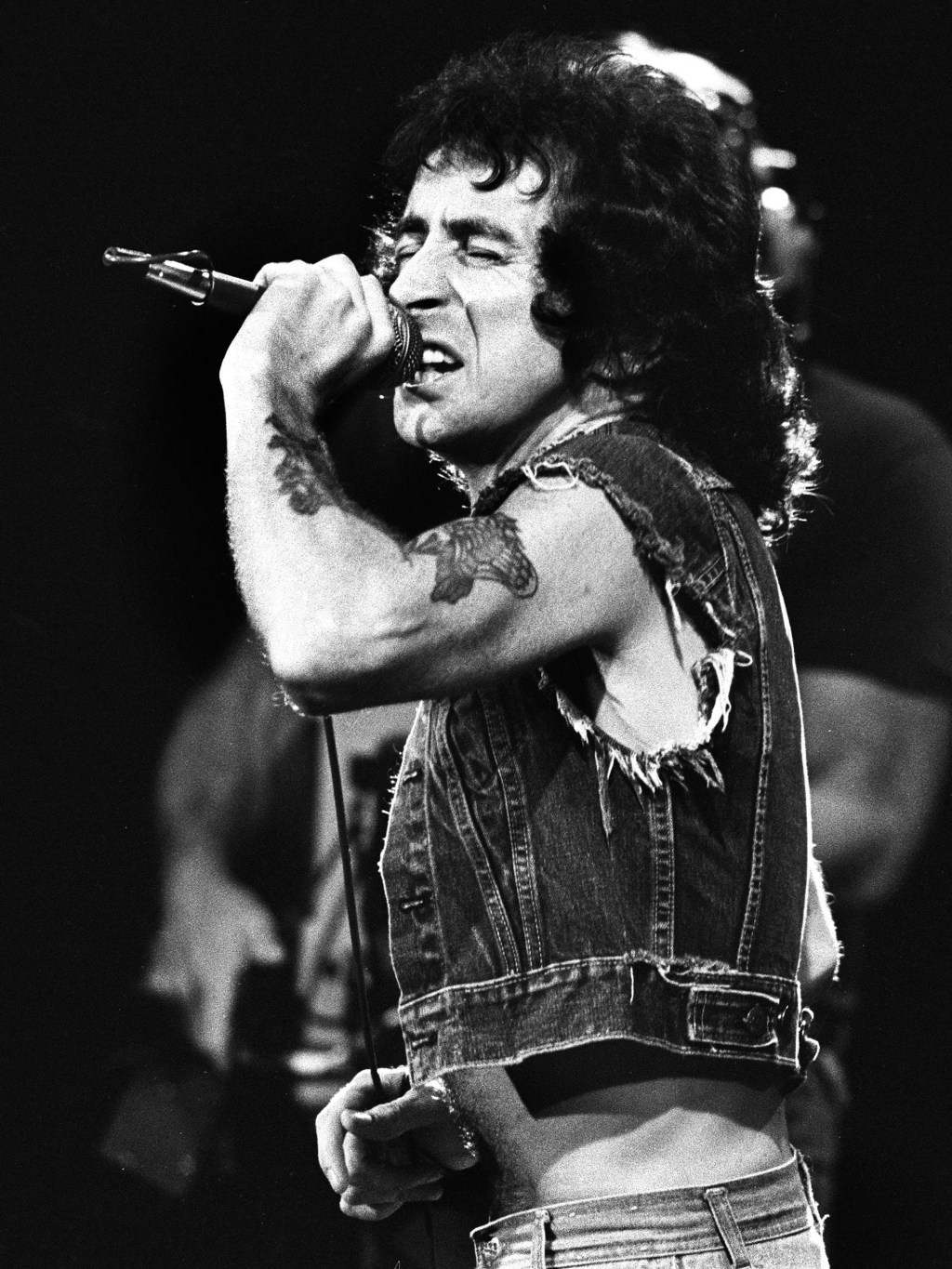
Best remembered as the original frontman of the legendary hard rock band AC/DC, singer Bon Scott was born Ronald Belford Scott in Kirriemuir, Scotland on July 9, 1946. As a child he began performing in his father’s pipe band, and following the family’s relocation to Australia in 1952 he quit school at age 15, later…
-
Mercedes Sosa *VII 9 1935 — La Vida Que Das / The Life You Give
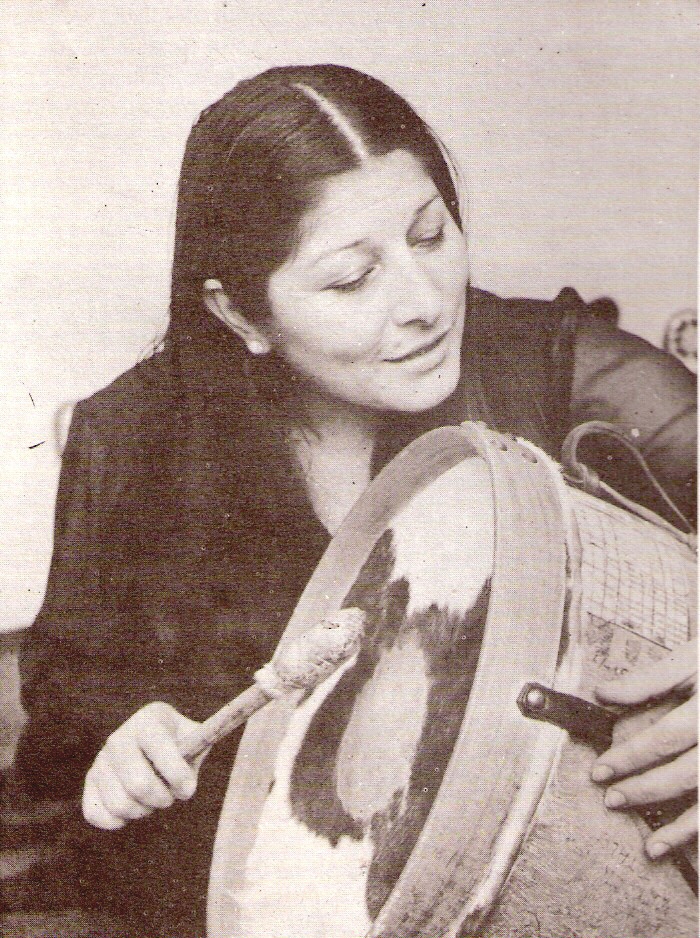
See biography in English at the bottom Haydé Mercedes Sosa; San Miguel de Tucumán, Argentina, 1935 – Buenos Aires, 2009) Cantante argentina, una de las máximas figuras de la música folclórica y testimonial de América Latina en el siglo XX. De humilde origen obrero, su familia descendía de indígenas diaguitas. Empezó a cantar profesionalmente temas…
-
Marc Chagall *VII 7 1887 — The Life You Give
Marc Chagall, born July 7, 1887, in Vitebsk, Belorussia, Russian Empire, is the painter, printmaker, and designer who composed his images based on emotional and poetic associations, rather than on rules of pictorial logic. Predating Surrealism, his early works, such as I and the Village (1911), were among the first expressions of psychic reality in…

-
Gustav Mahler *VII 7 1860 — The Life You Give
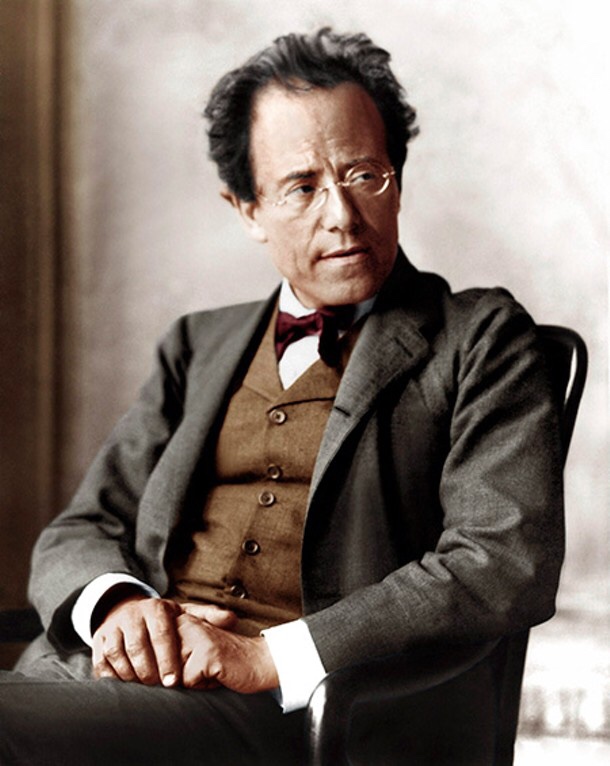
Gustav Mahler, born July 7, 1860, in Kaliště, Bohemia, Austrian Empire, is the composer and conductor, noted for his 10 symphonies and various songs with orchestra, which drew together many different strands of Romanticism. Although his music was largely ignored for 50 years after his death, Mahler was later regarded as an important forerunner of…
-
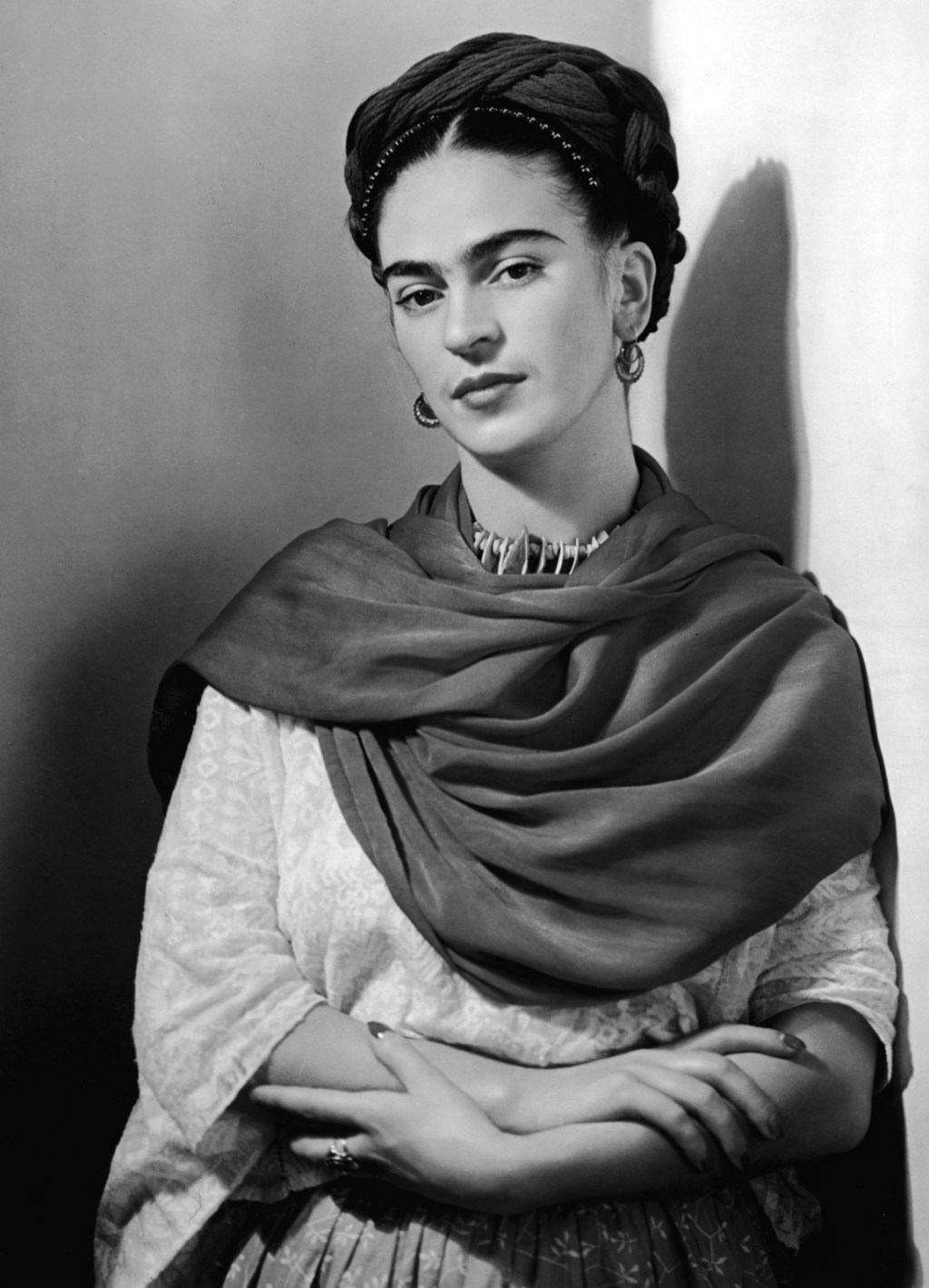
Frida Kahlo *VII 6 1907 — The Life You Give / La Vida Que Das
See English biography below Todos sabemos que las mujeres no pasaron a la historia del arte como debían. Muy pocas están en el Olimpo de los grandes artistas, pero sin duda hay excepciones y Frida Kahlo es una de ellas. Magdalena Carmen Frieda Kahlo y Calderón fue una de las pintoras más conocidas de Mexico…