In 1984, July was proclaimed National Ice Cream Month, and a resolution was introduced, subsequently signing it as bill into law. Join us in celebrating this comfort wonder.
La Vida en Blanco y Negro
celebra
el mes del helado
24 de Julio, 3 pm EST
en Clubhouse
continue abajo para el texto en español
The Evolution of Ice Cream – Ice cream’s origins are known to reach back as far as the second century B.C., although no specific date of origin nor inventor has been indisputably credited with its discovery. We know that Alexander the Great enjoyed snow and ice flavored with honey and nectar. Biblical references also show that King Solomon was fond of iced drinks during harvesting. During the Roman Empire, Nero Claudius Caesar (A.D. 54-86) frequently sent runners into the mountains for snow, which was then flavored with fruits and juices.
Over a thousand years later, Marco Polo returned to Italy from the Far East with a recipe that closely resembled what is now called sherbet. Historians estimate that this recipe evolved into ice cream sometime in the 16th century. England seems to have discovered ice cream at the same time, or perhaps even earlier than the Italians. “Cream Ice,” as it was called, appeared regularly at the table of Charles I during the 17th century. France was introduced to similar frozen desserts in 1553 by the Italian Catherine de Medici when she became the wife of Henry II of France. It wasn’t until 1660 that ice cream was made available to the general public. The Sicilian Procopio introduced a recipe blending milk, cream, butter and eggs at Café Procope, the first café in Paris.
The first official account of ice cream in the New World comes from a letter written in 1744 by a guest of Maryland Governor William Bladen. The first advertisement for ice cream in this country appeared in the New York Gazette on May 12, 1777, when confectioner Philip Lenzi announced that ice cream was available “almost every day.” Records kept by a Chatham Street, New York, merchant show that President George Washington spent approximately $200 for ice cream during the summer of 1790. Inventory records of Mount Vernon taken after Washington’s death revealed “two pewter ice cream pots.” President Thomas Jefferson was said to have a favorite 18-step recipe for an ice cream delicacy that resembled a modern-day Baked Alaska. Check out President Jefferson’s vanilla ice cream recipe here. In 1813, Dolley Madison served a magnificent strawberry ice cream creation at President Madison’s second inaugural banquet at the White House.
Until 1800, ice cream remained a rare and exotic dessert enjoyed mostly by the elite. Around 1800, insulated ice houses were invented. Manufacturing ice cream soon became an industry in America, pioneered in 1851 by a Baltimore milk dealer named Jacob Fussell. Like other American industries, ice cream production increased because of technological innovations, including steam power, mechanical refrigeration, the homogenizer, electric power and motors, packing machines, and new freezing processes and equipment. In addition, motorized delivery vehicles dramatically changed the industry. Due to ongoing technological advances, today’s total frozen dairy annual production in the United States is more than 6.4 billion pounds.
Wide availability of ice cream in the late 19th century led to new creations. In 1874, the American soda fountain shop and the profession of the “soda jerk” emerged with the invention of the ice cream soda. In response to religious criticism for eating “sinfully” rich ice cream sodas on Sundays, ice cream merchants left out the carbonated water and invented the ice cream “Sunday” in the late 1890’s. The name was eventually changed to “sundae” to remove any connection with the Sabbath.
Ice cream became an edible morale symbol during World War II. Each branch of the military tried to outdo the others in serving ice cream to its troops. In 1945, the first “floating ice cream parlor” was built for sailors in the western Pacific. When the war ended, and dairy product rationing was lifted, America celebrated its victory with ice cream. Americans consumed over 20 quarts of ice cream per person in 1946.
In the 1940s through the ‘70s, ice cream production was relatively constant in the United States. As more prepackaged ice cream was sold through supermarkets, traditional ice cream parlors and soda fountains started to disappear. Now, specialty ice cream stores and unique restaurants that feature ice cream dishes have surged in popularity. These stores and restaurants are popular with those who remember the ice cream shops and soda fountains of days past, as well as with new generations of ice cream fans. [1]
Ice Cream without a freezer – Today, ice cream leaves behind all sorts of sticky evidence for future archaeologists to find: wrappers, tubs, ice cream vans, industrial freezers and of course those little wooden sticks you get in Magnums. But if you think ice cream is a recent invention, you’re very much mistaken; the world’s first ice cream far predates freezers and archaeologists and historians have plenty of evidence to prove it.
The first frost – The origins of ice cream can in fact be traced back over 4,000 years to the first recorded appearance of an ice house for storing mountain snow. According to a cuneiform tablet from around 1780 BC, the King of Mari built one, which ‘never before had any king built’. Either way, from at least 500 BC, the Persians were storing winter snow in their own ice houses called Yakhchal, where it could keep for many months, or even all year round, and serving it up on hot days with grape juice. Alexander the Great (356-323 BC) is later said to have enjoyed his flavoured with honey and nectar, while in Rome Nero Claudius Caesar (A.D. 54-86) liked his flavoured with fruits.
The Ice (cream) Age begins – But we’re talking about making ice cream here, not just the equivalent of an ancient slushy, and it’s in China that the first evidence of frozen dairy products is widely reported. King Tang of Shang (A.D. 618-97) supposedly enjoyed frozen buffalo milk thickened with flour and flavoured with camphor so much that he employed over 90 ice men just to make it, while a mural in the tomb of crown prince Zhanghuai (A.D. 653-684) shows noble ladies holding ‘Su Shan’ – a desert made by melting Su (a creamy butter introduced to central China by nomadic people from the north), trickling it onto a plate in the shape of a mountain, decorating it with flowers and, finally, freezing it.
A salty secret – One thing is clear: for a long time, ice cream was a rare and exotic desert enjoyed by the rich. But assuming you had access to ice and somewhere to store it, the secret to making ice cream without a freezer turns out to be incredibly simple. If you lower a container of liquid into a mass of ice mixed with salt, the ice and salt react, drawing heat away from the liquid freezing it relatively quickly. In Europe, reports of ice cream don’t reliably appear until the mid 1500s, but by 1660, Café Procope in Paris had introduced a recipe blending milk, cream, butter and eggs before freezing, and in 1671, it appears for the first time in the UK as a dessert on Charles II’s table at a feast for the Knights of the Garter at Windsor Castle.
Presidential ice cream — Although Charles II famously tried to keep the recipe a closely guarded secret, it wasn’t long before ice cream crossed the pond, arriving in the New World by 1744. Records from a street vendor show that George Washington himself spent over $200 (about $3,000 today) on ice cream in the summer of 1790. Thomas Jefferson went one further, creating his very own 18-step ice cream recipe.
By 1851, the invention of insulated ice houses, freezing machinery and of course motorised delivery vehicles meant that ice cream was finally being mass produced. Finally, Carl von Linde invented industrial refrigeration which meant that ice cream’s popularity exploded.
To finish the story, rumour has it that during the 1904 World Trade Fair an ice cream vendor ran out of cardboard cups, and the waffle vendor next door wasn’t selling many waffles so they decided to combine forces, creating the ice cream cone as we know it today.
Thomas Jefferson really loved his ice cream.
[Here is] a very special vanilla ice cream brought back from France by Thomas Jefferson before he became President in 1801. It’s quite complex, but it uses the original ice-salt method and I played around with a modernised version from Marie Kimball’s book Thomas Jefferson’s Cook Book. If you’re feeling adventurous, you can find the original here.
What you’ll need:
6 egg yolks, 2 pints of good cream (I used low fat and it turned out to be a creamy delight), 250g sugar, salt, 2 teaspoons of vanilla (or a vanilla pod if you can find one, but the extract works fine too!)
How to make it
First, beat the egg yolks until they are thick and a lovely lemon colour. Add the sugar and a pinch of salt and keep stirring until mixed. (You don’t have to throw the egg whites away – I made mine into a meringue which goes very well with the ice cream). Now pour the cream into a pan and bring it to the boil – it will make big, gloopy bubbles! Take it off the heat immediately and slowly pour it into the egg mixture. Now put this combined mixture over a pan of simmering water (i.e. a bain-marie) and let it thicken gently. Once thickened (it should only run slowly off a spoon, like custard), strain it through a fine sieve into a bowl. Add the vanilla and let the mixture cool. Give it a good mix and get ready to freeze!
How to freeze your ice cream WITHOUT a freezer – Now, I don’t have a proper sorbetiere like Thomas, so I improvised. It’s quite easy, all you need are some roughly crushed ice cubes, some salt, a big container (like a bucket) and a smaller container (like an old ice cream tub) that fits inside the big container with plenty of room for the ice. Then all you need to do is fill the big container with 3 parts ice to one part salt, pour the ice cream mixture into the smaller container and tightly seal the lid and push the small container into the ice. You’ll need to turn or shake the smaller container every hour or so to stop big crystals forming. Or, if you just can’t wait that long, you can do small amounts by placing a plastic foodbag of ice cream mixture inside another foodbag filled with ice and salt and just giving it a good shake for five to ten minutes. And voila! A real historical ice cream made without a freezer! [2]




Frozen deserts are made worldwide with only few ingredients but the end product and presentation varies in hundreds of ways.
Gelato | Italy
Popular Flavors: Pistacchio, Mandorla, Limone
Bernardo Buontalenti, a stage designer, created Italian ice cream in the 16th century. He named it gelato, a direct translation of the word “frozen” in Italian. Catherine De Medici, the queen of France, favored Buontalenti’s dessert. This caused gelato to spread out across Europe. Gelato is made with three main ingredients: whole milk, sugar, and cream.
One difference between gelato and other ice cream types is how it’s stored. Most dessert shops keep their ice cream at negative twenty degrees Fahrenheit or lower. Gelato, on the other hand, is stored between zero to ten degrees Fahrenheit. Ice cream makers churn it at a slow pace to avoid air penetrating the mixture. This allows the dessert to have stronger flavors and a smoother texture compared to other ice creams.
Mochi Ice Cream | Japan
Popular Flavors: Green Tea, Mango, Chocolate, Strawberries, Red Bean
The Japanese mochi ice cream is a descendant of two types of desserts: Manju and daifuku. The CEO of Mikawaya, Frances Hashimoto, invented the dessert in the 1980s. The idea came to her when her husband began eating small portions of ice cream and wrapping them with mochi. Hashimoto then modified parts of the mochi and the ice cream to accommodate both. She then sold it to the public starting with seven flavors.
Glace | France
Popular Flavors: French Vanilla, Chocolate, Caramel Fleur de Sel
The French refer to glace as the “classic ice cream.” You can create glace using egg custards, cream, gelatin, sugar, and milk. As it contains large quantities of cream, it is heavier and creamier compared to other ice cream recipes. Glace also uses eggs which give a thick custard texture. It can be served on a goblet, packaged in tinfoil, or even on a cone.
Henry II and Catherine De Medici’s marriage allowed France to learn about ice cream. The first glace recipe was written down in 1674 by Nicholas Lemery.
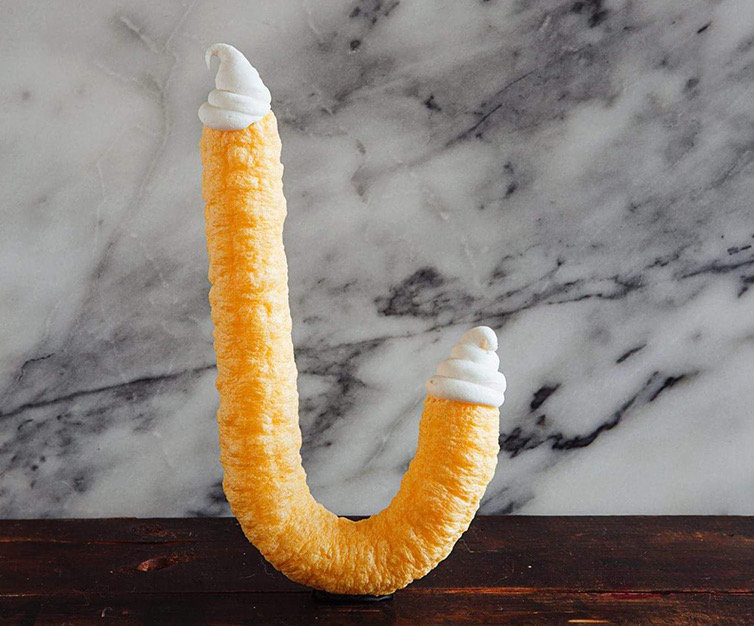
“J” Cone | South Korea
Popular Flavors: Chocolate, Vanilla, Strawberry, Orange
Jipangyi cone originated from Insadong, South Korea, and is inspired by the original jipangyi, a traditional Korean corn snack.
The cones are made of puff rice and corn, ingredients that support the immune system and reduce cholesterol levels.
Dondurma | Turkey
Popular Flavors: Plain, Pistachio, Cocoa
Dondurma is also known as “Maras ice cream.” This is because dondurma was first invented in the city of Maras. It includes cream, whipped cream, sugar, mastic, and salep.
Mastic is a unique ingredient of dondurma. It is made from mastic trees from Chios island. Salep is also another special ingredient. It is made from tuberous roots of orchids. Unfortunately, few legal saleps are being sold outside of Turkey. This is because the orchids are endangered due to habitat loss. As a result, authentic dondurma may be difficult to find in other countries.
People who have consumed dondurma say that it tastes like pine due to its strong aromatic smell. Mastic resin causes the sweet flavor by melting into the ice cream and also creates the thickened texture. Dondurma is also slow to melt. This is because of the salep, which is combined with the mastic, that retains the ice cream’s moisture.
Spaghettieis | Germany
Popular Flavors: Vanilla, Strawberry, Chocolate
Spaghettieis is a type of ice cream that originated from Mannheim, Germany. Dario Fontanella created the ice cream recipe for his children in the 1960s and was intended to look similar to a plate of spaghetti. For decades, spaghettieis was hidden outside of Germany and was only served during special occasions and a few ice cream parlors. However, it has recently gained a reputation in social media.
To create spaghettieis, you will need a Spätzle press or a potato ricer that you need to create the noodle-looking ice cream. The traditional recipe uses vanilla ice cream for the noodles and strawberry syrup for the tomato sauce. Grated almonds, white chocolate, or coconut flakes are sprinkled on top of the ice cream as a substitute for parmesan cheese.
Halvah | Middle East
Popular Flavors: Sesame, Sunflower, Silan (Date Syrup)
Halvah ice cream is a famous type of ice cream in the Middle East. It is made up of eggs, sugar, cream, halva, and is topped with different types of nuts. All you need to do is pour the halvah onto a vanilla base to create the ice cream. You can find authentic halvah in Israel, Lebanon, Iran, Turkey, and India.
Jewish people have been consuming halvah for over two millennia. After being nomads, the Jewish had to adapt to different cuisines. In these cuisines, the halvah is included. Indian merchants traded with the Jewish people, who then remade halvah into their own recipe. The different varieties of recipes for halvah have also created five main types of halvah as a result.
Kulfi | India
Popular Flavors: Rosewater, Pistachio, Saffron
The difference between other types of ice cream and kulfi is the way it is prepared. Most ice cream recipes freeze the contents altogether. However, kulfi is created by boiling the ingredients and then freezing them. Kulfi has also been proven to be healthier than conventional ice cream. This is because kulfi’s ingredients do not use preservatives or eggs. Kulfi also does not require air additives.
The word kulfi comes from the Persian word qulfi which means “covered cup.” Researchers speculate it came from the Mughal Empire, an empire that existed in South Asia.
You can make kulfi with boiled milk, demerara sugar, salt, saffron, and pistachios. It is considered a no-cook recipe, making it simple enough to be made quickly. There is a wide variety of flavors for kulfi. Most notably are pistachio, saffron, cardamom, almond, and cashew.
Pagoto | Greece
Popular Flavors: Nutella Banana with Strawberries, Pavlova Gelato, Passionfruit Sauce with Meringue
The pagoto represents the Greeks in this list of types of ice cream. The Greeks developed it around the same time ice cream was beginning for Europe in the 20th century. Ancient Greeks had long been consuming frozen desserts even before pagotos invention.
Alexander the Great enjoyed frozen treats with honey and nectar in the 4th century BC. It became more accessible to the public a century later. The Ancient Greeks of the 5th century BC consumed snow with honey and fruit. They could purchase the dessert in Athenian markets. Hippocrates, the father of modern medicine, believed it energized lifejuices and was good for a patient’s health
Evidence of Turkish influence with the Greeks can be seen in pagoto. In fact, pagoto was once called dudurmas. Since then Turkish and Greek relations have soured, resulting in the Greeks changing the name. Pagoto uses olive oil, figs, cocoa, filo dough (texture similar to angel’s hair pasta), and mavrodaphne (Greek dessert wine) to create flavors of their ice cream. Toppings such as pistachio nuts and sour cherry preserves can also accompany your pagoto dessert. Included in the toppings are Greek-made jams and syrups to make it sweeter.
I Tim Pad | Thailand
Popular Flavors: Vanilla, Matcha, Strawberry
I Tim Pad originating from Thailand, is mixed thoroughly on an ice pad to incorporate air before rolling and placing it on a cup. The final results show vertical rolls of the ice cream organized and placed beside each other. This is also the reason why I Tim Pad is also known as rolled ice cream or stir-fried ice cream.
The citizens of Thailand invented I Tim Pad in 2009. In 2015, the rolled ice cream trend started gaining popularity in the West. You can create I Tim Pad with a mixture of milk with flavors and fruits of your choice. With two handles, the vendor chops and mixes the ice cream on an ice pad for a few minutes. People describe it as similar to kneading. Vendors then add toppings carefully to the rolled ice cream in the cup.
Fried Ice Cream | China
Popular Flavors: Green Tea, Vanilla, Taro
Fried ice cream is a type of ice cream that originated in China in 3000 B.C. First introduced to the West through The Chicago World’s Fair of 1893, there are claims that the Japanese introduced the fried ice cream first, using tempura batter instead.
You can easily make fried ice cream. All you would have to do is take a scoop of frozen solid ice cream, coat it or bead it in batter, and then deep fry it quickly. This produces a crispy but soft shell around the ice cream similar to an ice cream sandwich. Fried ice cream comes in different flavors since they are mixed with the batter pre-made.
Sorbetes | Philippines
Popular Flavors: Cheese, Cookies and Cream, Mango, Chocolate
The Filipinos enjoy their own type of ice cream called sorbetes. Invented during the American occupation in the Philippines, you will find two unique things about sorbetes. The first one is how it is sold and the second one is the type of milk used to make it.
Sorbeteros sell sorbetes. They use portable ice cream carts and travel around the area with bells to alert potential customers. The sorbeteros also design their carts differently. They are usually colorful with three or four ice cream flavors available. On sunny days, the cart has an umbrella attached to it to protect the sorbeteros and their customers from extreme heat. Sorbeteros sell their sorbetes with different sizes of cake cones, pandesals (to create ice cream sandwiches with), or small plastic cups with wooden spoons.
The milk used when creating sorbetes is not your traditional cow’s milk. Filipinos created sorbetes with the use of carabao’s milk or coconut milk as a substitute. It is sweeter, thicker, and melts quicker than soft-serve ice cream. Sorbetes flavors such as ube, queso, mango, and chocolate are common. Unique flavors such as avocado, melon, and jackfruit are also available.
Paletas | Mexico
Popular Flavors: Pineapple, Coconut, Passionfruit
Paleta is a type of ice cream found in Mexico. Modern paletas are created with the use of fruits such as mango, and strawberry, but can also be made with Sicilian pistachio or chocolate. Paletas are also composed of water, condensed milk, and milk. People who have consumed paletas describe it to be aromatic with chunks of fruits and vegetables inside. Traditional paletas had mango, cucumber, lime juice, and tamarind blended together.
Making paletas is simple. You only need to have all the ingredients blended and placed inside a mold to freeze. However, the ingredients need to be completely natural and fresh. Compared to the American popsicle, paletas are healthier. While American popsicles are consistently one texture and one flavor, paletas constantly change with each bit.
The word paletas is Spanish for “little stick.” The civilians of Tocumbo, Mexico created the recipe for paletas in the 1940s. The families of Tocumbo then created paleterias to produce more paletas for their growing number of customers.
Soft Serve | New York
Popular Flavors: Black Cherry, Earl Grey Ice Cream, French Vanilla
Image from Flickr
Arguably the most popular type of ice cream is New York’s soft serve. Vendors usually put this ice cream in cones such as the cake cone, the sugar cone, and the waffle cone. The sugar cone vs waffle cone debate may confuse you, but the only difference between the two is that the sugar cone is perfect for slow eaters.
It was Charles Taylor of Buffalo who patented soft-serve ice cream machines in 1926. However, it was Tom Carvel who perfected the soft-serve ice cream recipe. In 1936, Carvel’s flat tire inspired him. Carvel created the soft-serve ice cream after selling his melting ice cream on the spot. But the most well-known company that created their own version of soft-serve ice cream is Dairy Queen.
JF McCullough and his son Alex, founders of Dairy Queen, invented their own recipe in 1938.
Ice Cream Sandwich | San Francisco
Popular Flavors: Neapolitan, Vanilla, Chocolate Chip
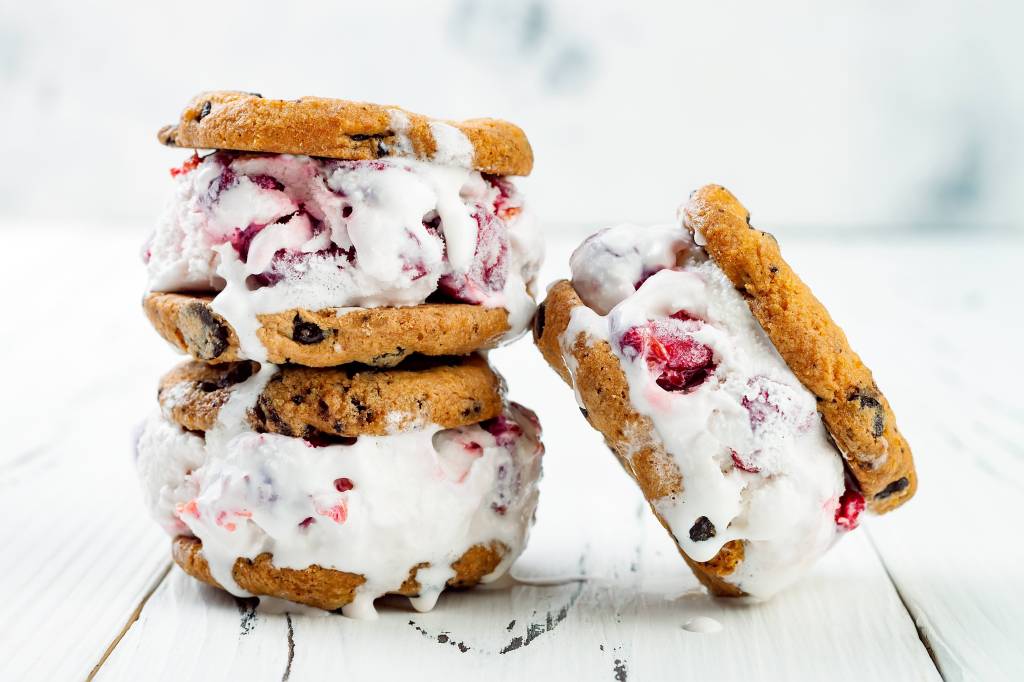
San Francisco is known as the birthplace of It’s It Ice Cream, a century-old ice cream shop. What’s so great about this ice cream shop? They created the now universally-loved ice cream sandwich. In 1928, the ice cream vendor George Whitney of San Francisco decided to place two oatmeal cookies between a scoop of ice cream and dipped them into dark chocolate.
Contrary to popular belief, the ice cream sandwich doesn’t necessarily use wafers. A popular type is the ice cream sandwich cone, which has the entire wafer filled with ice cream.
Booza | Eastern Mediterranean
Popular Flavors: Salted Caramel, Ashta, Hazelnut
Booza, also known as the stretchy ice cream of Syria, consists of salep and mastic. This makes it similar to dondurma. The difference between dondurma and booza is how it is made. Booza vendors use freezer drums, a rotating compact machine used to prevent air from infiltrating the product, to stretch and pound the ice cream. Bakdash is an ice cream store in the Old City of Damascus found in Al-Hamidiyah Souq. Arabs from all around the world gather to get a taste of their own stretchy and chewy ice cream.
Booza is commonly topped with nuts like pistachios, but can also be enjoyed without any toppings. [3]
[1] International dairy foods association
[2] Dig Ventures, Jamie Skuse, June 8 2015
[3] facts.net
EN ESPAÑOL
Explora la deliciosa historia del helado
Hay varios mitos sobre el origen del helado. Algunos dicen que Marco Polo lo trajo de sus viajes al Lejano Oriente. Otros dicen que Catalina de Medici lo introdujo en Francia cuando se mudó para casarse con el rey Enrique II. Es probable que ninguno de los cuentos sea cierto, aunque ambos son románticos. De hecho, el helado tiene una historia mucho más antigua. Su forma más antigua se parece muy poco al helado que comemos hoy. Los pasajes bíblicos se refieren al rey Salomón disfrutando de refrescantes bebidas heladas durante la temporada de cosecha. A Alejandro Magno de la antigua Grecia le encantaba disfrutar de bebidas heladas con sabor a miel o vino. Durante el reinado de Nerón en Roma del 54 al 68 a. C., se extraía hielo de las montañas cercanas y se guardaba en casas de hielopozos profundos cubiertos con paja. Esta práctica de mantener hielo en lugar de refrigeración sería común durante los siglos venideros.
Las primeras formas de helado se parecen poco a las cosas dulces cremosas dentro de su congelador.
Se cree que los emperadores de la dinastía Tang (618 907 dC) fueron los primeros en comer un dulce helado parecido a la leche. Esta versión se hacía con leche de vaca, cabra o búfala calentada con harina. Se añadió alcanfor, una sustancia aromática cosechada de árboles de hoja perenne, para mejorar la textura y el sabor. Luego, la mezcla se colocó en tubos de metal y se sumergió en una piscina de hielo hasta que se congeló. Este proceso es similar a la forma en que los indios hacían kulfi antes de la refrigeración.
En la época medieval, los árabes bebían un refresco helado llamado sorbete o sharabt en árabe. Estas bebidas frías a menudo tenían sabor a cereza, granada o membrillo. Con el tiempo, las bebidas se hicieron populares entre la aristocracia europea. Se dice que los italianos dominaron esta técnica de elaboración de bebidas, y los franceses siguieron su ejemplo poco después.
El siglo XVII vio cómo las bebidas heladas se convertían en postres helados. Con la adición de azúcar se creó el sorbetto o, como más comúnmente lo conocemos, sorbete. A Antonio Latini (16421692), un hombre que trabajaba para un virrey español en Nápoles, se le atribuye ser la primera persona en escribir una receta de sorbete. También es responsable de crear un sorbete a base de leche, que la mayoría de los historiadores culinarios consideran el primer helado oficial.
En 1686, un siciliano llamado Francesco Procopio dei Coltelli abrió el primer café de París, Il Procope. El establecimiento se convirtió en un lugar de encuentro para muchos intelectuales famosos, incluidos Benjamin Franklin, Victor Hugo y Napoleón. El café presentó el gelato, la versión italiana del sorbete, al público francés. Se servía en pequeños cuencos de porcelana que parecían hueveras. Procopio se hizo conocido como el Padre del helado italiano.
Casi al mismo tiempo, los franceses comenzaron a experimentar con un postre helado llamado fromage. El pastelero francés Nicolas Audiger, en su libro La maison reglée, describe varias recetas de fromage a base de helados aromatizados con frutas. Una de las primeras recetas incluye crema, azúcar y agua de azahar. Audiger también sugiere revolver los helados durante el proceso de congelación para introducir aire y crear una textura más esponjosa. A pesar del nombre del postre, el fromage no estaba hecho de queso. No está del todo claro por qué lo llamaron fromage. La palabra puede referirse a los moldes de queso que se usaron para congelar el helado, o puede ser simplemente un término francés laxo para cualquier sustancia comestible comprimida o moldeada. Cualquiera que sea la razón, durante el siglo XVIII el fromage congelado se hizo bastante popular en toda Francia.
La evolución del helado
Se sabe que los orígenes del helado se remontan al siglo II a. C., aunque no se ha atribuido indiscutiblemente su descubrimiento a una fecha específica de origen ni a un inventor. Sabemos que Alejandro Magno disfrutó de la nieve y el hielo con sabor a miel y néctar. Las referencias bíblicas muestran que al rey Salomón le gustaban las bebidas heladas durante la cosecha. Durante el Imperio Romano, Nerón Claudio César (54-86 d. C.) enviaba con frecuencia corredores a las montañas en busca de nieve, que luego se condimentaba con frutas y jugos.
Más de mil años después, Marco Polo regresó a Italia desde el Lejano Oriente con una receta que se parecía mucho a lo que ahora se llama sorbete. Los historiadores estiman que esta receta se convirtió en helado en algún momento del siglo XVI. Inglaterra parece haber descubierto el helado al mismo tiempo, o quizás incluso antes que los italianos. “Cream Ice”, como se le llamaba, aparecía regularmente en la mesa de Carlos I durante el siglo XVII. Francia conoció postres congelados similares en 1553 por la italiana Catalina de Medici cuando se convirtió en la esposa de Enrique II de Francia. No fue hasta 1660 que el helado estuvo disponible para el público en general. El Procopio siciliano introdujo una receta que mezclaba leche, nata, mantequilla y huevos en el Café Procope, el primer café de París.
Helado para América
La primera cuenta oficial de helados en el Nuevo Mundo proviene de una carta escrita en 1744 por un invitado del gobernador de Maryland, William Bladen. El primer anuncio de helados en este país apareció en el New York Gazette el 12 de mayo de 1777, cuando el pastelero Philip Lenzi anunció que había helados disponibles “casi todos los días”. Los registros mantenidos por un comerciante de Chatham Street, Nueva York, muestran que el presidente George Washington gastó aproximadamente $ 200 en helados durante el verano de 1790. Los registros de inventario de Mount Vernon tomados después de la muerte de Washington revelaron “dos tarros de helado de peltre”. Se decía que el presidente Thomas Jefferson tenía una receta favorita de 18 pasos para un manjar de helado que se parecía a un Baked Alaska moderno. Echa un vistazo a la receta de helado de vainilla del presidente Jefferson aquí. En 1813, Dolley Madison sirvió una magnífica creación de helado de fresa en el segundo banquete inaugural del presidente Madison en la Casa Blanca.
Hasta 1800, el helado siguió siendo un postre raro y exótico disfrutado principalmente por la élite. Alrededor de 1800, se inventaron las casas de hielo aisladas. La fabricación de helados pronto se convirtió en una industria en Estados Unidos, iniciada en 1851 por un comerciante de leche de Baltimore llamado Jacob Fussell. Al igual que otras industrias estadounidenses, la producción de helados aumentó debido a las innovaciones tecnológicas, incluida la energía de vapor, la refrigeración mecánica, el homogeneizador, la energía y los motores eléctricos, las máquinas empacadoras y los nuevos procesos y equipos de congelación. Además, los vehículos de reparto motorizados cambiaron radicalmente la industria. Debido a los continuos avances tecnológicos, la producción anual total de productos lácteos congelados en la actualidad en los Estados Unidos es de más de 6,400 millones de libras.
La amplia disponibilidad de helados a finales del siglo XIX dio lugar a nuevas creaciones. En 1874, la tienda estadounidense de fuentes de soda y la profesión de “soda jerk” surgieron con la invención de la soda helada. En respuesta a las críticas religiosas por comer refrescos helados “pecaminosamente” ricos los domingos, los comerciantes de helados dejaron de lado el agua carbonatada e inventaron el helado “domingo” a fines de la década de 1890. El nombre finalmente se cambió a “sundae” para eliminar cualquier conexión con el sábado.
El helado se convirtió en un símbolo moral comestible durante la Segunda Guerra Mundial. Cada rama de las fuerzas armadas trató de superar a las demás sirviendo helado a sus tropas. En 1945, se construyó la primera “heladería flotante” para marineros en el Pacífico occidental. Cuando terminó la guerra y se levantó el racionamiento de productos lácteos, Estados Unidos celebró su victoria con helado. Los estadounidenses consumieron más de 20 cuartos de galón de helado por persona en 1946.
Desde la década de 1940 hasta la de 1970, la producción de helados era relativamente constante en los Estados Unidos. A medida que se vendían más helados preenvasados en los supermercados, las heladerías tradicionales y las fuentes de soda comenzaron a desaparecer. Ahora, las heladerías especializadas y los restaurantes exclusivos que ofrecen platos de helado han ganado popularidad. Estas tiendas y restaurantes son populares entre quienes recuerdan las heladerías y las fuentes de soda de antaño, así como entre las nuevas generaciones de fanáticos de los helados.
Fuente: Asociación Internacional de International Lácteos
En 1984, el senador Walter Dee Huddleston de Kentucky presentó una resolución para proclamar el Mes Nacional del Helado en julio de 1984 y el tercer domingo del mes como el Día Nacional del Helado. El presidente Ronald Reagan firmó el proyecto y lo convirtió en ley.
Abasto.com.Mes Nacional del Helado https://abasto.com/noticias/mes-nacional-del-helado-historia-estadisticas-y-tendencias/
¿Cómo llega el helado a México?
Según explica Martín González de la Vara en su conferencia “La historia del helado en México”, la producción de congelados se extendió por Europa y es probable que haya llegado a España gracias a su contacto con la cultura árabe y, en consecuencia, fuera introducido en México en tiempos de La conquista. El mismo González de la Vara relata que el primer nevero en el territorio nacional fue Leonardo Leaños, quien ya se dedicaba al oficio en 1620, en la capital del virreinato. En la Nueva España existía una figura denominada “estanco” que se podía resumir en una noción: “aquello que no es de nadie, es propiedad del rey”. Así, pues, el hielo de las montañas, entre muchos otros bienes, eran propiedad el rey. Pero para 1822, cuando se levantan los estancos gracias al Congreso Constituyente, la gente puede hacerse de hielo y nieve provenientes del Popocatépetl y del Iztaccíhuatl, lo cual populariza y democratiza la producción de nieves y helados de garrafa. Años después, con la construcción de la primera fábrica de hielo en 1865, se facilitó aún más el proceso y se impulsó la industrialización del helado; posteriormente, en 1914, apareció la primera nevería de la que se conserva registro a la fecha: “La primavera”. Hoy en día, y desde 1884, se lleva a cabo la Feria de la Nieve el Tulyehualco, que se celebra todos los años, en semana santa, en el pueblo Santiago Tulyehualco, en Xochimilco. Síguelos en sus redes sociales para mantenerte al tanto de su próxima edición.
Visita Larousse Cocina: https://laroussecocina.mx/blog/la-historia-del-helado-un-viaje-de-sabores-y-culturas-hasta-mexico/
Helados sin congelador
Hoy en día, el helado deja atrás todo tipo de evidencia pegajosa para que los futuros arqueólogos las encuentren: envoltorios, tarrinas, furgonetas de helados, congeladores industriales y, por supuesto, esos pequeños palitos de madera que se encuentran en los Magnum que, si eres arqueólogo, sabrás que son geniales para excavar esqueletos (al menos, ¡esa es mi excusa cuando me pillan con uno en el sitio!)
Pero si crees que el helado es un invento reciente, estás muy equivocado; el primer helado del mundo es muy anterior a los congeladores y los arqueólogos e historiadores tienen muchas pruebas para demostrarlo.
La primera helada
De hecho, los orígenes del helado se remontan a más de 4.000 años, a la primera aparición registrada de una casa de hielo para almacenar nieve de montaña. Según una tablilla cuneiforme de alrededor de 1780 a. C., el rey de Mari construyó uno, que “nunca antes había construido ningún rey”.
De cualquier manera, desde al menos el año 500 a. C., los persas almacenaban nieve de invierno en sus propias casas de hielo llamadas Yakhchal, donde podía mantenerse durante muchos meses, o incluso durante todo el año, y la servían en los días calurosos con jugo de uva. Se dice más tarde que Alejandro Magno (356-323 a. C.) disfrutó de su sabor con miel y néctar, mientras que en Roma a Nerón Claudio César (54-86 d. C.) le gustó su sabor a frutas.
Comienza la Era del Hielo (crema)
Pero estamos hablando de hacer helado aquí, no solo el equivalente de un granizado antiguo, y es en China donde se informa ampliamente sobre la primera evidencia de productos lácteos congelados.
“Las damas de la corte de Tang” del pintor mural anónimo de la dinastía Tang.
El rey Tang de Shang (618-97 d. C.) supuestamente disfrutó tanto de la leche de búfala congelada, espesada con harina y aromatizada con alcanfor, que empleó a más de 90 hombres de hielo solo para prepararla, mientras que un mural en la tumba del príncipe heredero Zhanghuai (653-684 d. C.) muestra damas nobles sosteniendo ‘Su Shan’, un desierto hecho al derretir Su (una mantequilla cremosa introducida en el centro de China por pueblos nómadas del norte), goteando en un plato en la forma de una montaña, decorándola con flores y, finalmente, congelándola.
Un secreto salado
Una cosa está clara: durante mucho tiempo, el helado fue un desierto raro y exótico disfrutado por los ricos. Pero suponiendo que tuviera acceso a hielo y un lugar para almacenarlo, el secreto para hacer helado sin congelador resulta ser increíblemente simple. Si colocas un recipiente con líquido en una masa de hielo mezclado con sal, el hielo y la sal reaccionan, extrayendo el calor del líquido y congelándolo con relativa rapidez. En Europa, los informes sobre helados no aparecen de forma fiable hasta mediados del siglo XVI, pero en 1660, el Café Procope de París introdujo una receta que mezclaba leche, nata, mantequilla y huevos antes de congelarlos, y en 1671 aparece por primera vez en el Reino Unido como postre en la mesa de Carlos II en un festín de los Caballeros de la Jarretera en el Castillo de Windsor.
Helado presidencial
Aunque Carlos II intentó mantener la receta en un secreto muy bien guardado, no pasó mucho tiempo antes de que el helado cruzara el charco y llegara al Nuevo Mundo en 1744. Los registros de un vendedor ambulante muestran que el propio George Washington gastó más de $200 (alrededor de $3000 hoy) en helado en el verano de 1790. Thomas Jefferson fue más allá y creó su propia receta de helado de 18 pasos.
Jacob Fussell, un comerciante de leche de Baltimore, fue el primero en producir helados en masa: lo hizo para evitar que un excedente de leche se agrie.
En 1851, la invención de las casas de hielo aisladas, la maquinaria de congelación y, por supuesto, los vehículos de reparto motorizados significó que el helado finalmente se producía en masa. Finalmente, Carl von Linde inventó la refrigeración industrial, lo que significó que la popularidad de los helados explotó.
Penny lame. Los vendedores ambulantes victorianos vendían un centavo de helado en uno, que se volvería a usar una vez que se limpiara con la lengua. ¡Preocupaciones obvias de higiene y una preferencia por los gofres detuvieron su uso!
Para terminar la historia, se rumorea que durante la Feria Mundial de Comercio de 1904 un vendedor de helados se quedó sin vasos de cartón, y el vendedor de gofres de al lado no vendía muchos gofres, por lo que decidieron unir fuerzas, creando el cono de helado como lo conocemos hoy.
Cómo hacer el helado presidencial de Thomas Jefferson
Sí, Thomas Jefferson realmente amaba su helado.
Un helado de vainilla muy especial traído de Francia por Thomas Jefferson antes de que se convirtiera en presidente en 1801. Es bastante complejo, pero utiliza el método original de hielo y sal y jugué con una versión modernizada del libro de Marie Kimball El libro de cocina de Thomas Jefferson. Si te sientes aventurero, puedes encontrar el original aquí.
Lo que necesitarás:
6 yemas de huevo, 2 pintas de buena crema (usé baja en grasa y resultó ser una delicia cremosa), 250 g de azúcar, sal, 2 cucharaditas de vainilla (o una vaina de vainilla si puedes encontrar una, ¡pero el extracto también funciona bien!)
Como hacerlo
Primero, bate las yemas de huevo hasta que estén espesas y de un color limón precioso. Añadimos el azúcar y una pizca de sal y seguimos removiendo hasta que se mezclen. (No tienes que tirar las claras de huevo, yo hice la mía en un merengue que va muy bien con el helado). Ahora vierta la crema en una sartén y hierva, ¡hará burbujas grandes y pegajosas! Retire del fuego inmediatamente y viértalo lentamente en la mezcla de huevo. Ahora ponga esta mezcla combinada sobre una cacerola de agua hirviendo a fuego lento (es decir, al baño maría) y deje que se espese suavemente. Una vez que espese (solo debe salir lentamente de una cuchara, como natillas), cuele a través de un colador fino en un tazón. Agregue la vainilla y deje que la mezcla se enfríe. ¡Dale una buena mezcla y prepárate para congelar!
Cómo congelar tu helado SIN congelador
Ahora, no tengo un sorbete adecuado como Thomas, así que improvisé. Es bastante fácil, todo lo que necesitas son algunos cubitos de hielo triturados, un poco de sal, un recipiente grande (como un balde) y un recipiente más pequeño (como una vieja tarrina de helado) que quepa dentro del recipiente grande con mucho espacio para el hielo. Luego, todo lo que necesita hacer es llenar el recipiente grande con 3 partes de hielo por una parte de sal, verter la mezcla de helado en el recipiente más pequeño y sellar bien la tapa y empujar el recipiente pequeño dentro del hielo. Deberá girar o agitar el recipiente más pequeño cada hora más o menos para evitar que se formen cristales grandes. O, si no puede esperar tanto tiempo, puede hacer pequeñas cantidades colocando una bolsa de plástico para alimentos con la mezcla de helado dentro de otra bolsa para alimentos llena de hielo y sal y simplemente agítela bien durante cinco a diez minutos. ¡Y voilá! ¡Un auténtico helado histórico hecho sin congelador!
¡Probablemente el mejor helado que he probado, incluso si puedo decirlo yo mismo!
Fuente: Dig Ventures
Museo del helado
En el parque de atracciones Namco Namja Town en Tokio (Japón) se les ha ocurrido elaborar helados con sabores un tanto especiales. Entre ellos podemos encontrar aquel con sabor a carne de caballo pero, desde luego, no es el único que llama la atención. En el museo Ice Cream City del parque, también se pueden encontrar helados con sabor a calamar o pulpo.
https://www.businessinsider.es/cuales-son-12-helados-sabores-raros-mundo-465849
Tipos de Helados
Gelato (Italia): Un helado italiano famoso por su textura cremosa y densa. Viene en una variedad de sabores clásicos como pistacho, tiramisú, nocciola (avellana) y stracciatella (helado de vainilla con trozos de chocolate).
Helado de espagueti: (Alemania) necesitarás una prensa de Spätzle o una prensa de patatas para crear el helado con forma de fideos. La receta tradicional utiliza helado de vainilla para los fideos y jarabe de fresa como salsa de tomate. Almendras ralladas, chocolate blanco o copos de coco se espolvorean sobre el helado como sustituto del queso parmesano.
Hoy en día, el spaghettieis se puede servir con chocolate y fresa como fideos.
Helado de Mochi (Japón): Helado envuelto en una masa de arroz glutinoso llamada mochi. Suele tener rellenos de sabores como té verde (matcha), fresa o vainilla.
Sorbete de Limón (Francia): Un sorbete refrescante hecho con jugo de limón, agua y azúcar, muy popular en la cocina francesa.
Helado de Garrafa, paletas (México): Un helado mexicano con sabores tradicionales como elote (maíz), horchata, tequila, chocolate mexicano y cajeta (dulce de leche).
Gelado (Portugal): Similar al gelato italiano, los helados portugueses son conocidos por sus sabores auténticos como “pastel de nata” (crema pastelera), “bola de berlim” (rosquilla) y “ovos moles” (yemas de huevo).
Dondurma (Turquía): Un helado turco elástico y masticable debido a la adición de salep (un polvo de raíz de orquídea) y mastic (resina de lentisco). Se sirve comúnmente en conos y se puede estirar antes de comer.
Helado de Taro (Taiwán): Un helado morado suave y cremoso con sabor a taro, una raíz vegetal muy utilizada en la cocina asiática.
Helado de Red Bean (Corea del Sur): Hecho con pasta de frijoles rojos dulces, es un sabor tradicional muy apreciado en Corea.
Helado de Maple (Canadá): Elaborado con sirope de arce, un ícono de la gastronomía canadiense.
Helado Jipangyi de (Corea del Sur) lleva el helado habitual a otro nivel con una extraña forma de cono. El cono Jipangyi tiene su origen en Insadong Tiene una sabor crujiente y algo insípido, pero tiene beneficios para la salud. Esto se debe a que los conos están hechos de arroz inflado y maíz, ingredientes que respaldan el sistema inmunológico y reducen los niveles de colesterol.
Helado Halvah (Medio Oriente) ice cream es un famoso tipo de helado en el Medio Oriente. Está hecho de huevos, azúcar, crema y halvah, y se cubre con diferentes tipos de frutos secos. Todo lo que necesitas hacer es verter el halvah sobre una base de vainilla para crear el helado. Puedes encontrar auténtico halvah en Israel, Líbano, Irán, Turquía e India.
Helado de Kulfi (India): Un helado tradicional indio hecho con leche cocida durante horas y luego congelada con sabores como cardamomo, mango, pistacho y almendra.
La palabra “kulfi” proviene de la palabra persa “qulfi”, que significa “vaso cubierto”. Los investigadores especulan que se originó en el Imperio Mogol, un imperio que existió en el sur de Asia. Debes tener cuidado de no confundirlo con “kulfa”, que tiene los mismos ingredientes pero se sirve en una bandeja en lugar de en un palito. La ciudad de Rawalpindi en Pakistán es famosa por el kulfi, donde se estima que hay unas 1,000 porciones de helado por tienda.
Puedes hacer kulfi con leche hervida, azúcar de caña, sal, azafrán y pistachos. Se considera una receta sin cocción, lo que la hace lo suficientemente sencilla como para prepararse rápidamente.
Helado de pagoto representa a los griegos en esta lista de tipos de helado. Los griegos lo desarrollaron aproximadamente al mismo tiempo que el helado comenzaba a popularizarse en Europa en el siglo XX. De hecho, los antiguos griegos ya consumían postres congelados mucho antes de la invención del pagoto. El pagoto utiliza aceite de oliva, higos, cacao, masa filo (con una textura similar a la pasta de cabello de ángel) y mavrodaphne (vino dulce griego) para crear sabores únicos en su helado. Toppings como pistachos y conservas de cereza agria también pueden acompañar tu postre de pagoto. Se incluyen mermeladas y jarabes hechos en Grecia para endulzarlo aún más.
Helado I Tim Pad, originario de Tailandia, tiene una de las presentaciones más satisfactorias. Se mezcla a fondo sobre una superficie helada para incorporar aire antes de enrollarlo y colocarlo en una taza. Los resultados finales muestran rollos verticales de helado organizados y colocados uno al lado del otro. Esta es también la razón por la que el Tim Pad también es conocido como helado enrollado o helado salteado.
Helado Frito El helado frito es un tipo de helado que se originó en China en el año 3000 a.C. Fue presentado por primera vez en Occidente durante la Feria Mundial de Chicago de 1893, aunque hay afirmaciones de que los japoneses lo introdujeron primero utilizando masa de tempura
Helado Sorbetes (Filipino) Los filipinos disfrutan de su propio tipo de helado llamado “sorbetes”. Inventado durante la ocupación estadounidense en Filipinas, usan leche de carabao o leche de coco como sustituto. Es más dulce, más espeso y se derrite más rápido que el helado suave.
Helado soft-serve el tipo de helado más popular sea el soft-serve de Nueva York. Por lo general, los vendedores colocan este helado en conos como el cono de pastel, el cono de azúcar y el cono de barquillo. El debate entre el cono de azúcar y el cono de barquillo puede confundirte, pero la única diferencia entre los dos es que el cono de azúcar es perfecto para aquellos que comen despacio.
Fue Charles Taylor de Buffalo quien patentó las máquinas de helado soft-serve en 1926. Sin embargo, fue Tom Carvel quien perfeccionó la receta del helado soft-serve. En 1936, la llanta pinchada de Carvel lo inspiró. Él creó el helado soft-serve después de vender su helado que se estaba derritiendo en el momento. Pero la compañía más conocida que creó su propia versión de helado soft-serve es Dairy Queen.
Sándwich Helado San Francisco es conocido como el lugar de nacimiento de “It’s It Ice Cream”, una heladería centenaria. Fueron ellos quienes crearon el sándwich de helado, que ahora es amado universalmente. En 1928, el vendedor de helados George Whitney de San Francisco decidió colocar dos galletas de avena entre una bola de helado y las bañó en chocolate negro.
En Irán, el “bastani-e nooni” es otro tipo de sándwich de helado que se hace colocando helado de azafrán y agua de rosas entre obleas y cubriéndolo con pistachos.
Helado booza: de las culturas del este del Mediterráneo. Booza, también conocido como el helado elástico de Siria, está hecho de salep y mastic. Esto lo hace similar al dondurma. La diferencia entre el dondurma y el booza radica en cómo se elabora. Los vendedores de booza utilizan tambores congeladores, una máquina compacta giratoria utilizada para evitar que el aire se infiltre en el producto, para estirar y golpear el helado. Bakdash es una heladería en la Ciudad Vieja de Damasco, ubicada en el zoco de Al-Hamidiyah. Personas de todo el mundo árabe se reúnen para probar su propio helado elástico y masticable.
Los 10 sabores favoritos de helado
Chocolate
Crema y galletas
Vainilla
Fresa
Chispas de chocolate
Nuez con mantequilla
Masa para galletas
Vainilla Francesa
Chispas de chocolate y masa de galletas
Caramelo
https://www.aarp.org/espanol/hogar-familia/casa-jardin/info-2022/sabores-de-helado-favoritos.html

 Sila Blume
Leave a comment