classical music
-
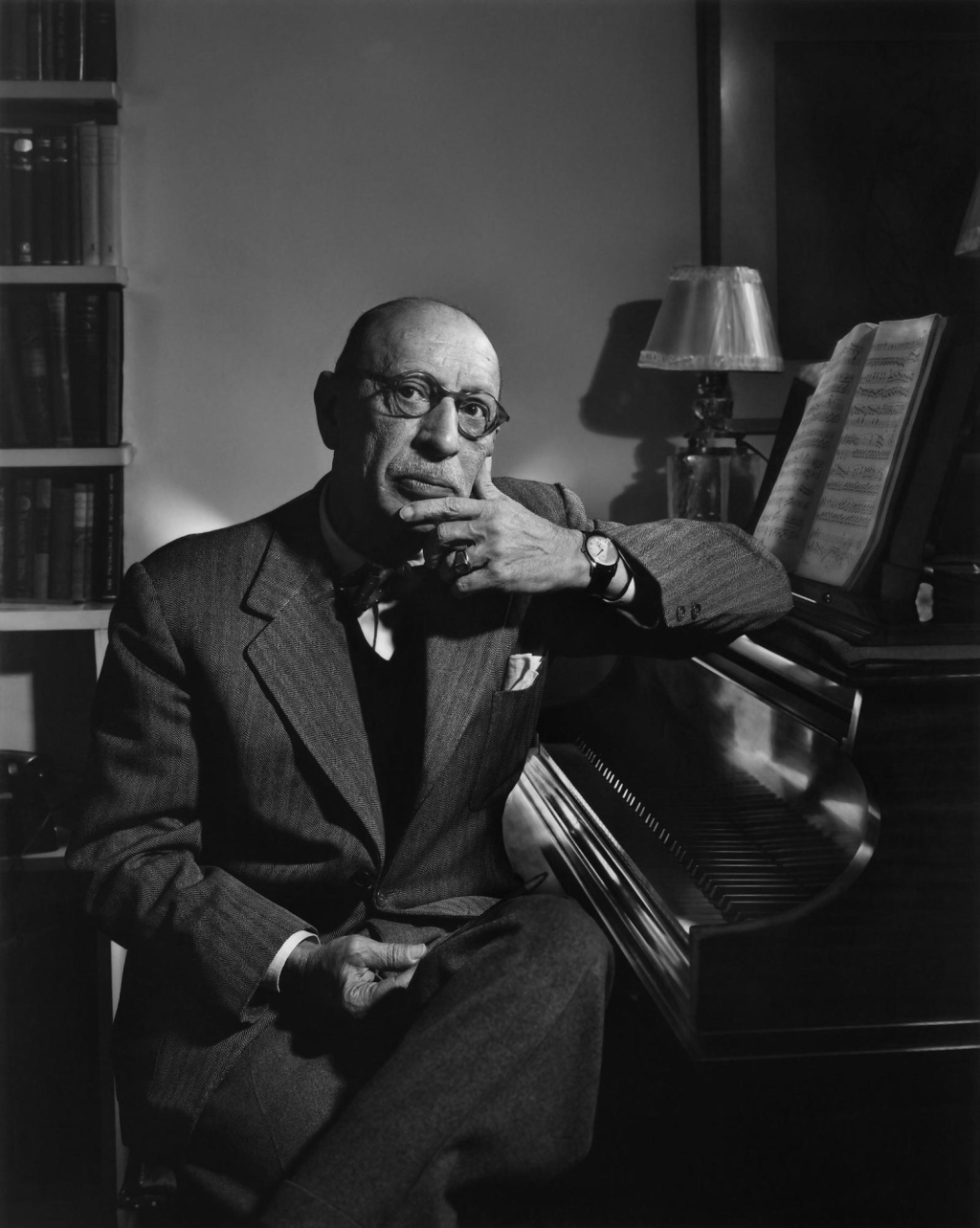
Igor Stravinsky *VI 17 1882 — The Life You Give
Igor Stravinsky, born Igor Fyodorovich Stravinsky, June 5 [June 17, New Style], 1882, Oranienbaum [now Lomonosov], near St. Petersburg, Russia, is the composer whose work had a revolutionary impact on musical thought and sensibility just before and after World War I, and whose compositions remained a touchstone of modernism for much of his long working…
-
Edvard Grieg *VI 15 1843 — The Life You Give
Edvard Grieg, born Edvard Hagerup Grieg, June 15, 1843, in Bergen, Norway, is the composer who was a founder of the Norwegian nationalist school of music. His father, Alexander Grieg, was British consul at Bergen. The Grieg (formerly Greig) family was of Scottish origin, the composer’s grandfather having emigrated after the Battle of Culloden. His…

-
Robert Schumann *VI 8 1810 — The Life You Give
Robert Schumann, born Robert Alexander Schumann, June 8, 1810, in Zwickau, Saxony [Germany], is the Romantic composer renowned particularly for his piano music, songs (lieder), and orchestral music. Many of his best-known piano pieces were written for his wife, the pianist Clara Schumann. Schumann’s father was a bookseller and publisher. After four years at a…

-
Martha Argerich *VI 5 1941 — La Vida Que Das / The Life You Give
Martha Argerich, born June 5, 1941 in Buenos Aires, Argentina, is the pianist known for her recordings and performances of chamber music, particularly of works by Olivier Messiaen, Sergey Prokofiev, and Sergey Rachmaninoff. A prodigy, Argerich was performing professionally by age eight. In 1955 she went to Europe, where her teachers included Friedrich Gulda and…

-
Cecilia Bartoli *VI 4 1966 — The Life You Give
Cecilia Bartoli, born June 4, 1966, in Rome, Italy), is an operatic mezzo-soprano who achieved global stardom with her outstanding vocal skills and captivating stage presence. Both of Bartoli’s parents were members of the Rome Opera chorus, and she joked that when she was a child, her babysitters were the likes of Rossini and Verdi.…

-
Edward Elgar *VI 2 1857 — The Life You Give
Sir Edward Elgar, born Edward William Elgar, June 2, 1857, in Broadheath, Worcestershire, England, is the composer whose works in the orchestral idiom of late 19th-century Romanticism—characterized by bold tunes, striking colour effects, and mastery of large forms—stimulated a renaissance of English music. The son of an organist and music dealer, Elgar left school at…

-
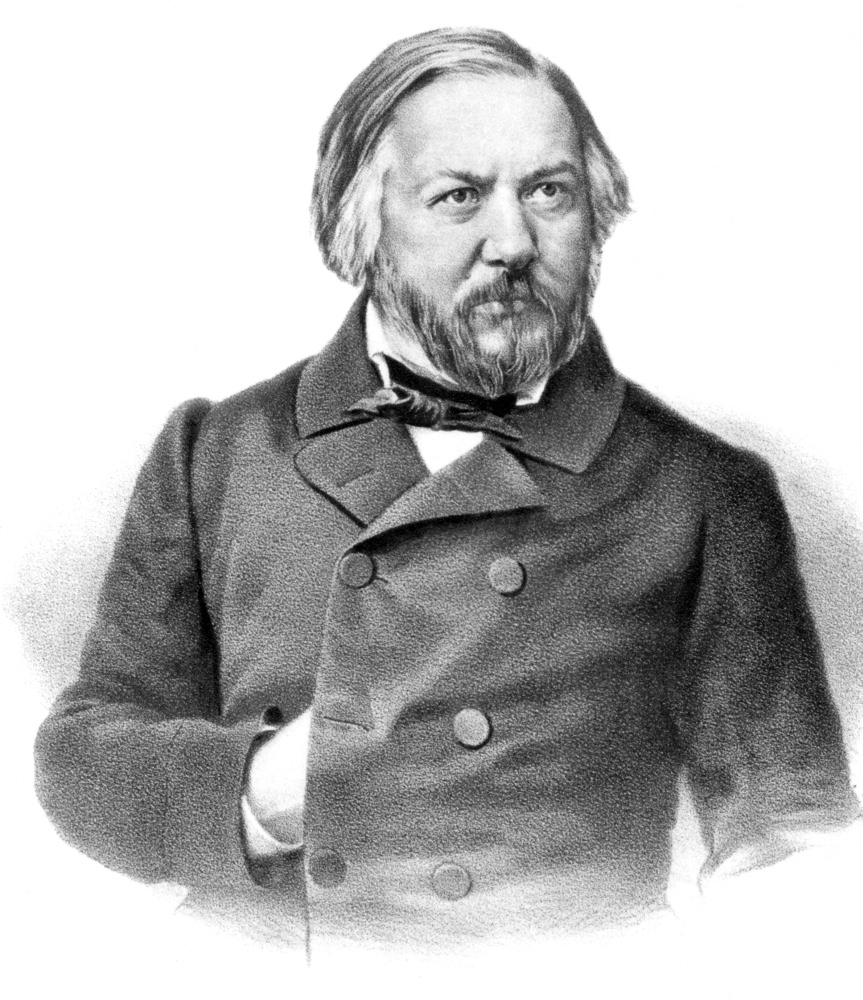
Mikhail Glinka *VI 1 1804 — The Life You Give
Mikhail Glinka, born Mikhail Ivanovich Glinka, May 21 [June 1, New Style], 1804, in Novospasskoye, Russia, is the first Russian composer to have won international recognition and the acknowledged founder of the Russian nationalist school. Glinka first became interested in music at age 10 or 11, when he heard his uncle’s private orchestra. He studied…
-
György Ligeti *V 28 1923 — The Life You Give
György Ligeti, born György Sándor Ligeti, May 28, 1923, in Diciosânmartin [now Tîrnăveni], Transylvania, Romania, is a leading composer of the branch of avant-garde music concerned principally with shifting masses of sound and tone colours. Ligeti, the great-nephew of violinist Leopold Auer, studied and taught music in Hungary until the Hungarian Revolution in 1956, when…

-
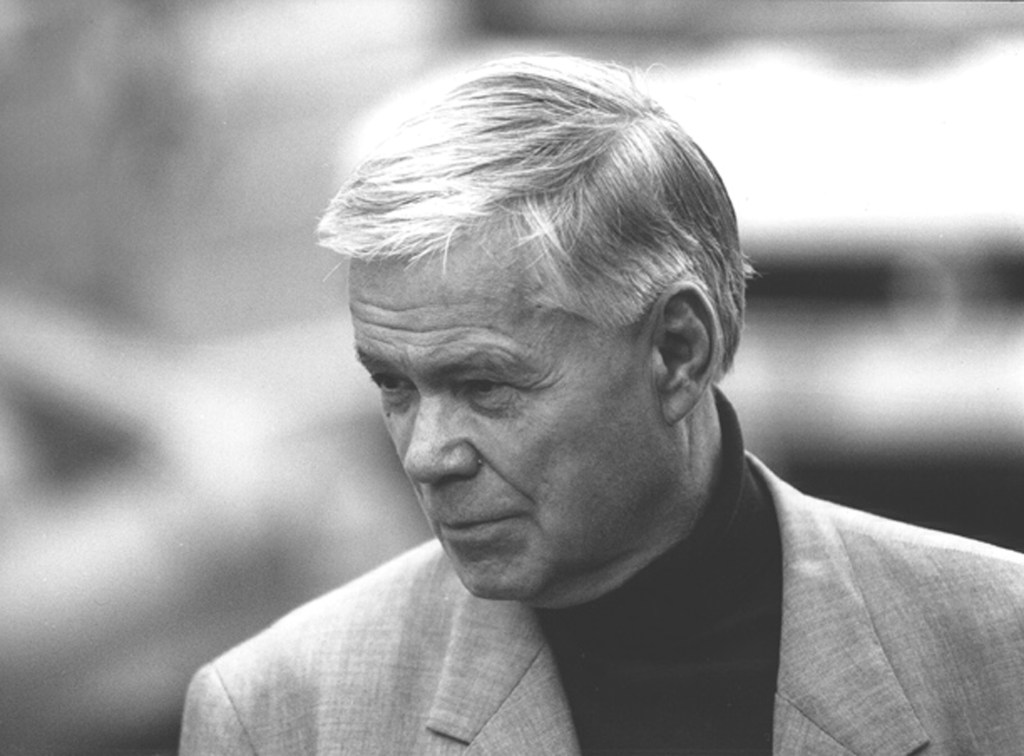
Dietrich Fischer-Dieskau *V 28 1925 — The Life You Give
Dietrich Fischer-Dieskau, born May 28, 1925, in Berlin, Germany, is the operatic baritone and preeminent singer of lieder, distinguished for his lyrical voice, commanding presence, and superb artistry. Fischer-Dieskau studied with Georg Walter before serving in World War II and with Hermann Weissenborn afterward. In 1947 he made his concert debut in Johannes Brahms’s Ein…
-
Teresa Stratas *V 26 1938 — The Life You Give
Stratas was one of the controversial stars of the latter half of the twentieth century, and one whose personality and life, like that of Callas, another great soprano of Greek descent, are inextricably linked with her performances in the minds of many members of the public. Also like Callas, she had a special magnetism as…
-
Alicia de Larrocha *V 23 1923 — La Vida Que Das / The Life You Give
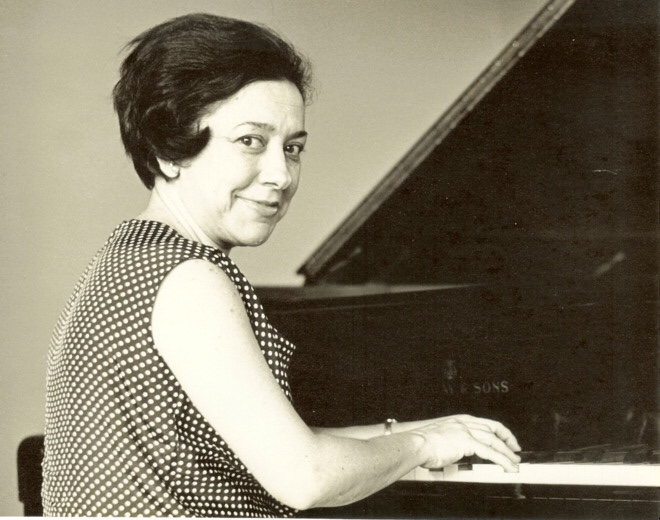
See biography in English below Alicia de Larrocha de la Calle nació el 23 de mayo de 1923, en el 4º piso de la calle Córcega nº 263 bis, esquina Calle Enrique Granados, de Barcelona. Fue la tercera de 4 hermanos (Teresa, Berta, Alicia, y Ramón). Sus padres fueron Eduardo de Larrocha y Teresa de…
-
Richard Wagner *V 22 1813 — The Life You Give
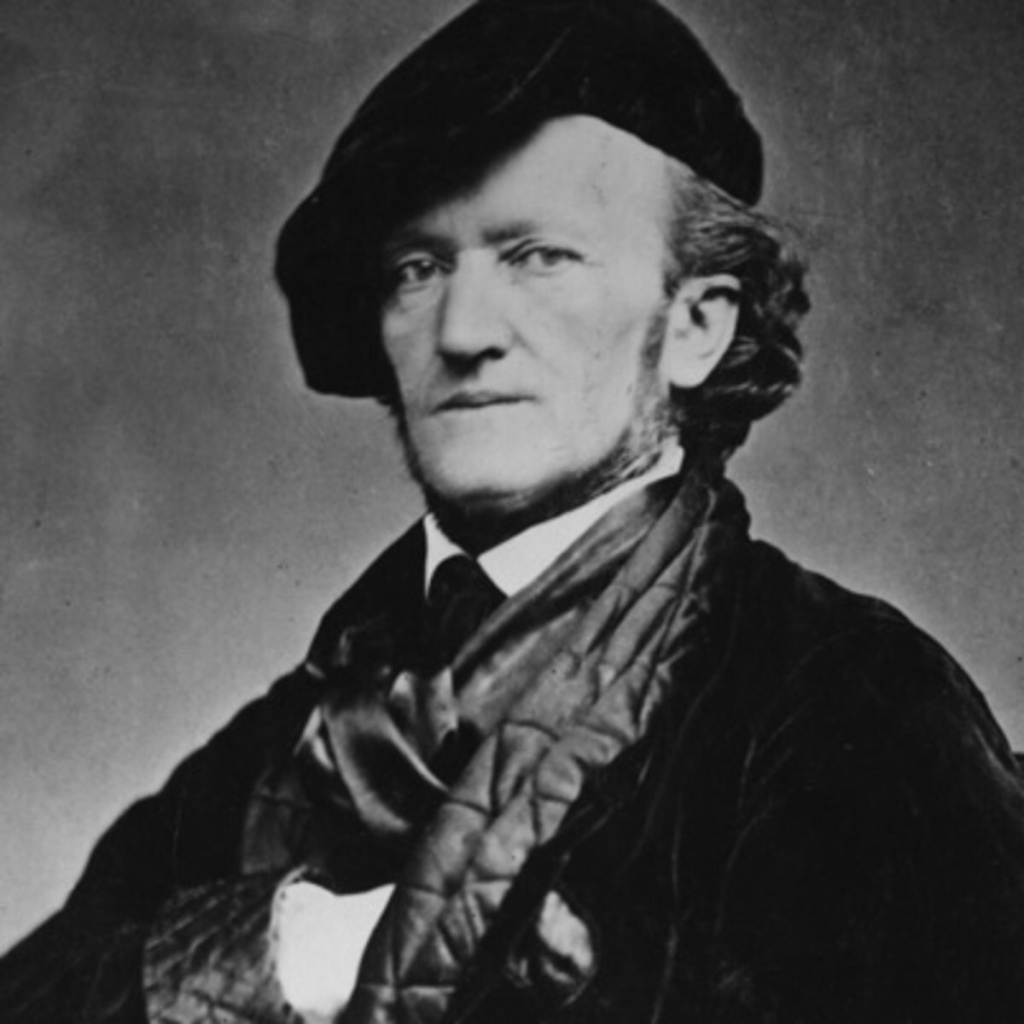
Richard Wagner, born Wilhelm Richard Wagner, on May 22, 1813, in Leipzig, Germany, is the dramatic composer and theorist whose operas and music had a revolutionary influence on the course of Western music, either by extension of his discoveries or reaction against them. Among his major works are The Flying Dutchman (1843), Tannhäuser (1845), Lohengrin…
-
Erik Satie *V 17 1866 — The Life You Give
Erik Satie, born Eric Alfred Leslie Satie, on May 17, 1866, in Honfleur, Calvados, France, is the composer whose spare, unconventional, often witty style exerted a major influence on 20th-century music, particularly in France. Satie studied at the Paris Conservatory, dropped out, and later worked as a café pianist. About 1890 he became associated with…

-
Ivan Wyschnegradsky *V 14 1893 — The Life You Give
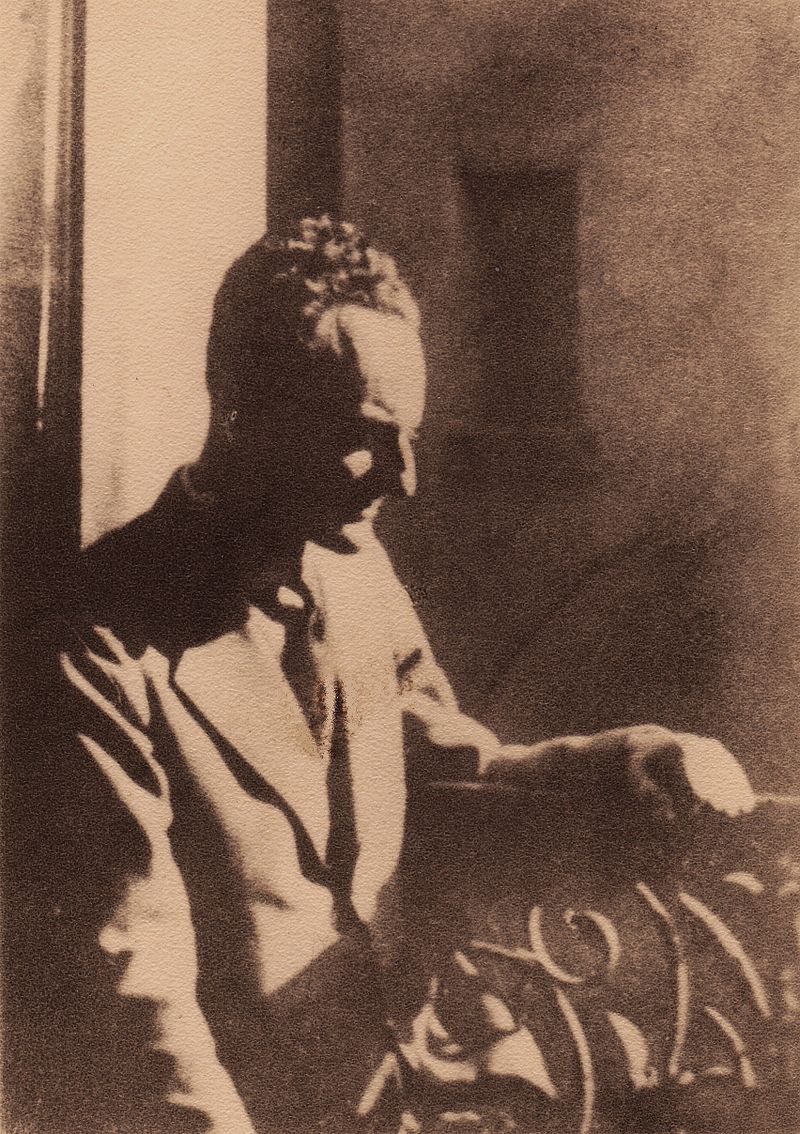
‘I could have been a poet, a philosopher or a musician. I chose music: I am therefore a composer.’ These words by Ivan Wyschnegradsky give an idea of the commitment of his life, his culture and generosity of spirit. For him, a work (regardless of its form or instrumentation) first had its origin in the…
-
Otto Klemperer *V 14 1885 — The Life You Give
Otto Klemperer, born May 14, 1885, in Breslau, Germany [now Wrocław, Poland] is one of the outstanding German conductors of his time. Klemperer studied in Frankfurt and Berlin and on the recommendation of Gustav Mahler was made conductor of the German National Theatre at Prague in 1907. Between 1910 and 1927 he conducted opera at…


