Orchestra
-
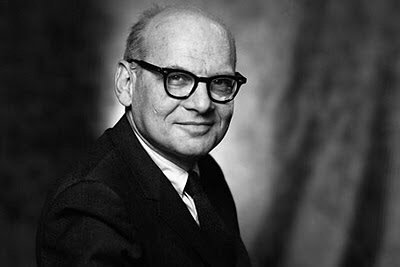
Milton Babbitt *V 10 1916 / The Life You Give
Milton Babbitt, born Milton Byron Babbitt, on May 10, 1916, in Philadelphia, Pennsylvania, U.S.A., is the composer and theorist known as a leading proponent of total serialism—i.e., musical composition based on prior arrangements not only of all 12 pitches of the chromatic scale (as in 12-tone music) but also of dynamics, duration, timbre (tone colour),…
-
Pyotr Tchaikovsky *V 7 1840 / The Life You Give
Pyotr Ilyich Tchaikovsky, also spelled Chaikovsky, Chaikovskii, or Tschaikowsky, born April 25 [May 7, New Style], 1840, in Votkinsk, Russia, is the most popular Russian composer of all time. His music has always had great appeal for the general public in virtue of its tuneful, open-hearted melodies, impressive harmonies, and colourful, picturesque orchestration, all of…

-
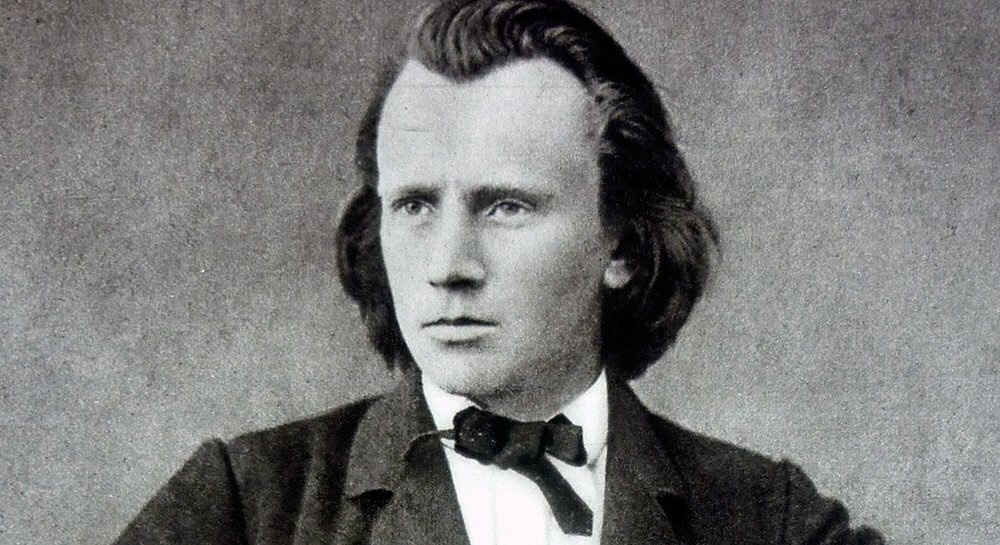
Johannes Brahms *V 7 1833 / The Life You Give
Johannes Brahms, born May 7, 1833, in Hamburg, Germany, is a composer and pianist of the Romantic period, who wrote symphonies, concerti, chamber music, piano works, choral compositions, and more than 200 songs. Brahms was the great master of symphonic and sonata style in the second half of the 19th century. He can be viewed…
-
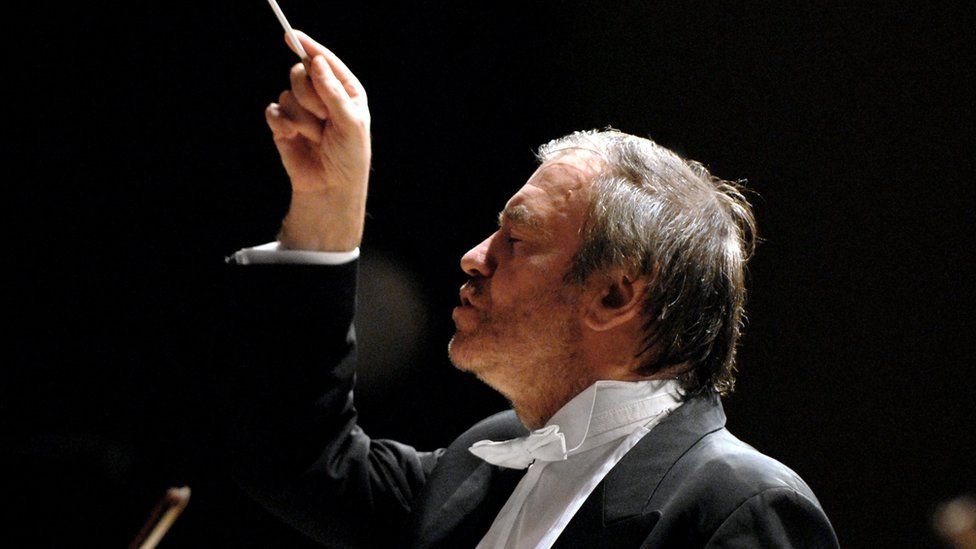
Valery Gergiev *V 2 1953 — The Life You Give
Valery Gergiev, born May 2, 1953, Moscow, Russia, U.S.S.R., is a conductor, known for his charismatic stage presence and passionate performances, who became artistic and general director of the Mariinsky Theatre (previously called Kirov Theatre) in St. Petersburg in 1996. Gergiev was the son of Ossetian parents and spent much of his youth in the…
-
Ellen Taaffe Zwilich *IV 30 1939 — The Life You Give
Ellen Taaffe Zwilich, born April 30, 1939 in Miami, Florida, U.S.A., is a composer, and the first woman to be awarded the Pulitzer Prize in composition. Taaffe began composing as a child, and, by the time she finished high school, she had studied piano, violin, and trumpet. After receiving both a bachelor’s (1960) and a…

-
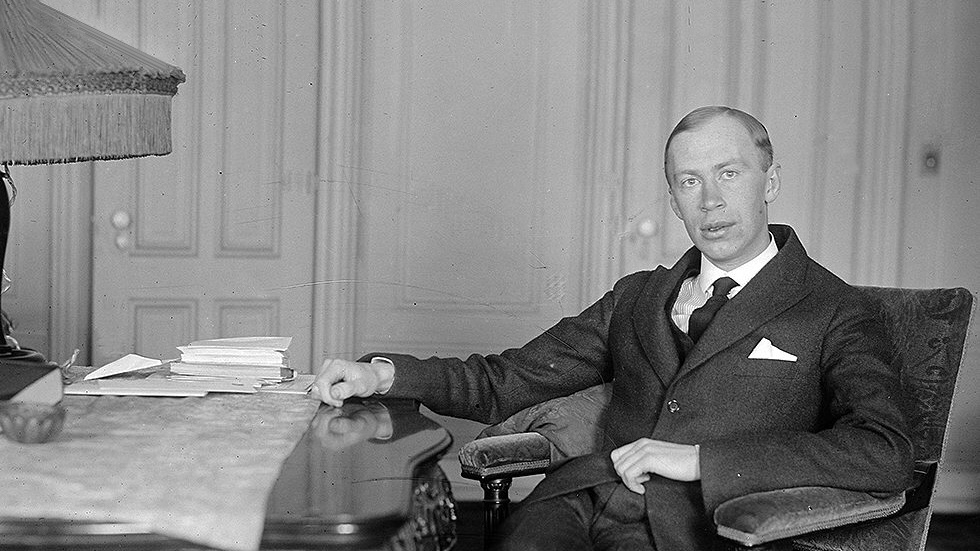
Sergey Prokofiev *IV 23 1891 — The Life You Give
Sergey Prokofiev, born Sergey Sergeyevich Prokofiev on April 23 1891, in Sontsovka, Ukraine, is the composer who wrote in a wide range of musical genres, including symphonies, concerti, film music, operas, ballets, and program pieces. Prokofiev (Prokofjev in the transliteration system of the Russian Academy of Sciences) was born into a family of agriculturalists. Village…
-
Ethel Smyth *IV 22 1858 — The Life You Give
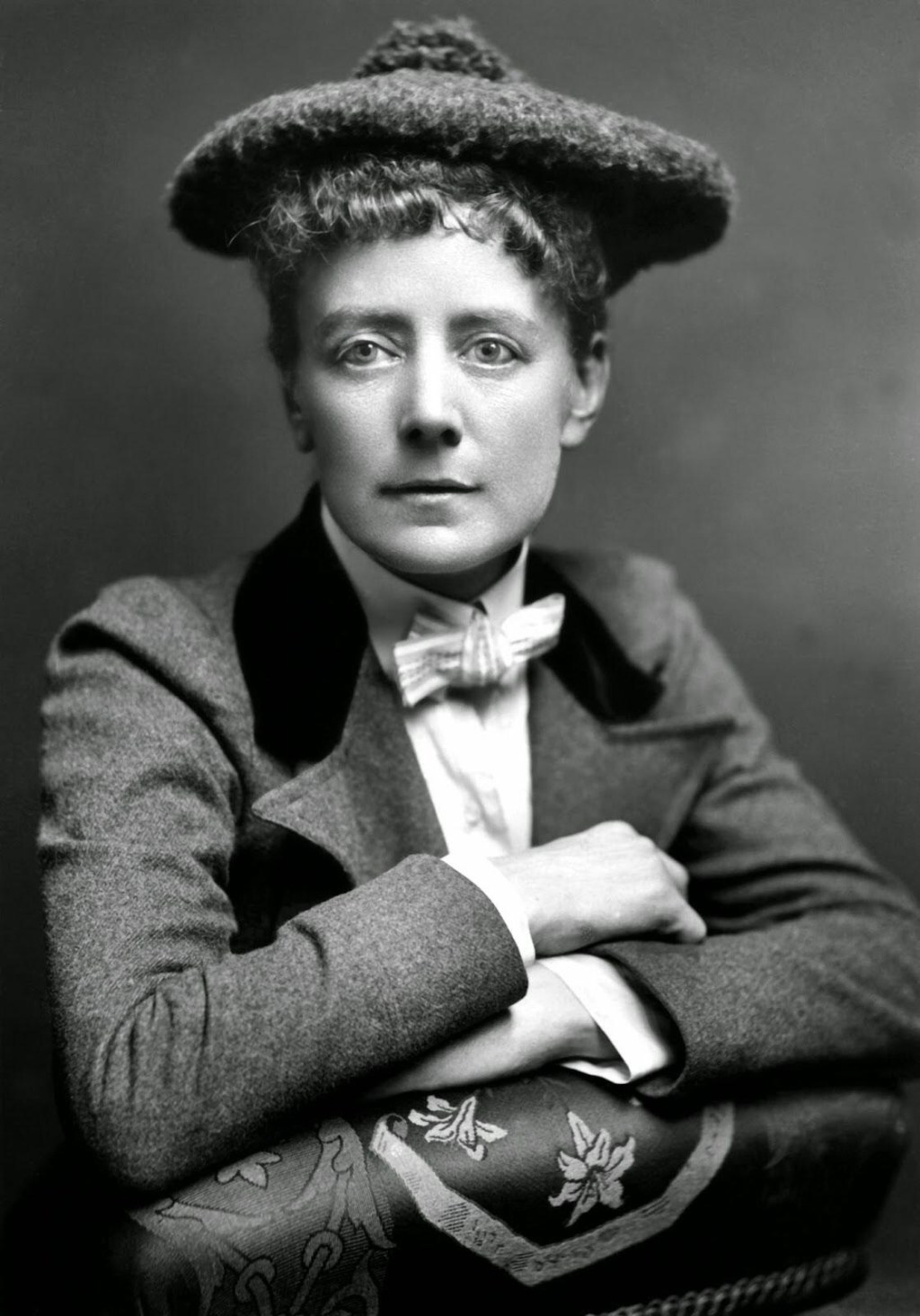
Dame Ethel Smyth, born Ethel Mary Smyth, on April 22, 1858, in London, is the composer whose work was notably eclectic, ranging from conventional to experimental. Born into a military family, Smyth studied at the Leipzig Conservatory and was encouraged by Johannes Brahms and Antonín Dvořák. She first gained notice with her sweeping Mass in…
-
Florence Price *IV 9 1887 / The Life You Give
The first African-American woman whose music was played by a major symphony orchestra, Florence Price was a pioneering figure in 20th century American music. In the 21st century, her music has been performed increasingly often, especially since a large cache of her compositions was rediscovered in 2009. Price was born Florence Beatrice Smith in Little…

-
Sergei Rachmaninoff *IV 1 1873 — The Life You Give
Sergey Rachmaninoff, born March 20 [April 1, New Style], 1873, in Oneg, near Semyonovo, Russia, is the composer who was the last great figure of the tradition of Russian Romanticism and a leading piano virtuoso of his time. He is especially known for his piano concerti and the piece for piano and orchestra titled Rhapsody…

-
Joseph Haydn *III 31 1732 — The Life You Give
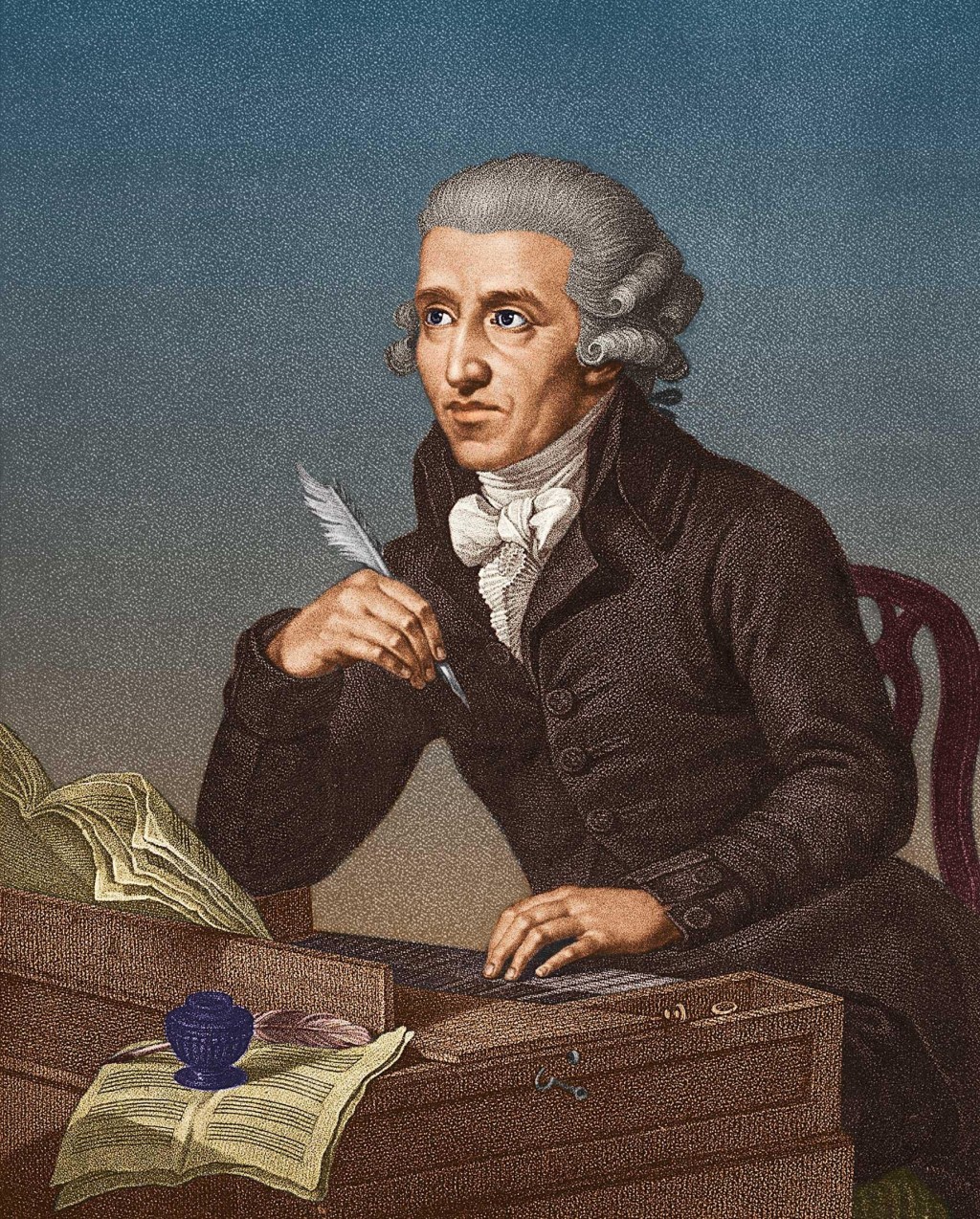
Joseph Haydn, born Franz Joseph Haydn, on March 31, 1732, in Rohrau, Austria, is the composer who was one of the most important figures in the development of the Classical style in music during the 18th century. He helped establish the forms and styles for the string quartet and the symphony. Early years Haydn was…
-
Pierre Boulez *III 26 1925 — The Life You Give
Pierre Boulez, born March 26, 1925, in Montbrison, France, is the most significant French composer of his generation, as well as a noted conductor and music theorist who championed the work of 20th-century composers. Boulez, the son of a steel manufacturer, majored in mathematics at the Collège de Saint-Étienne, where he also took music lessons;…

-
Béla Bartók *March 25 1881 — The Life You Give
Béla Bartók, born March 25, 1881, in Nagyszentmiklós, Hungary, Austria-Hungary [now Sânnicolau Mare, Romania] is the composer, pianist, ethnomusicologist, and teacher, noted for the Hungarian flavour of his major musical works, which include orchestral works, string quartets, piano solos, several stage works, a cantata, and a number of settings of folk songs for voice and…

-
Modest Mussorgsky *III 21 1839 — The Life You Give
Modest Mussorgsky, born Modest Petrovich Mussorgsky, on March 9 [March 21, New Style], 1839, in Karevo, Russia, was the composer noted particularly for his opera Boris Godunov (final version first performed 1874), his songs, and his piano piece Pictures from an Exhibition (1874). Mussorgsky, along with Aleksandr Borodin, Mily Balakirev, Nikolay Rimsky-Korsakov, and César Cui,…

-
Johann Sebastian Bach *III 21 1685 — The Life You Give
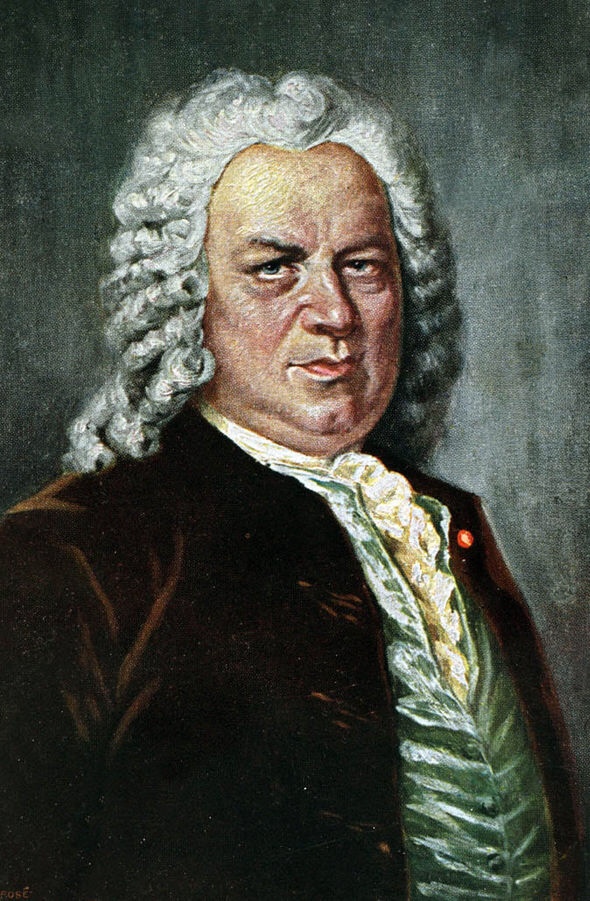
Johann Sebastian Bach, born March 21 [March 31, New Style], 1685, in Eisenach, Thuringia, Ernestine Saxon Duchies [Germany], was a composer of the Baroque era, the most celebrated member of a large family of north German musicians. Although he was admired by his contemporaries primarily as an outstanding harpsichordist, organist, and expert on organ building,…
-
Bernd Alois Zimmermann *III 20 1918 — The Life You Give
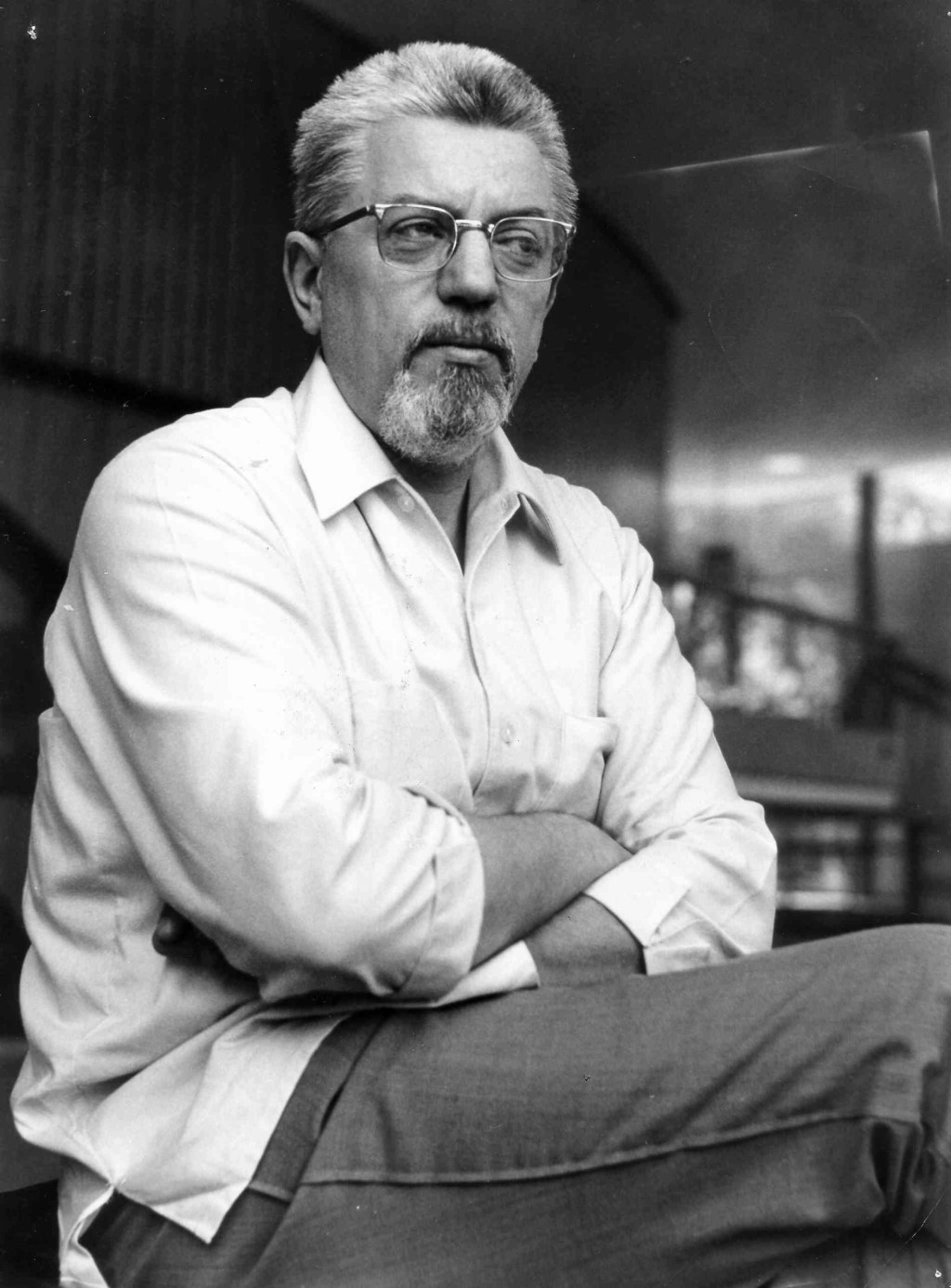
One of the most important German composers to emerge during the post-World War II era, Bernd Alois Zimmermann was born in the outskirts of Cologne in 1918. His schooling at the Cologne Musikhochschule was interrupted when he was drafted for military service in the early days of the Second World War. Discharged in 1942, Zimmermann…
 Sila Blume