symphony
-
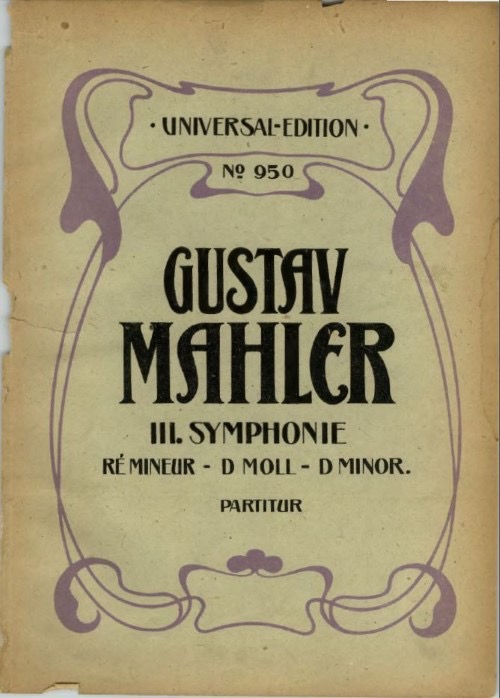
Recurring Music Series: Symphony #3 in D minor / Mahler
When Gustav Mahler and Jean Sibelius met in Helsinki in 1907, the two composers laid out radically contrasting conceptions of the symphony. Sibelius found beauty and ultimate meaning in the symphony’s “severity of form” and “profound logic.” “No!” Mahler replied. “The symphony must be like the world. It must embrace everything!” No Mahler Symphony gives…

-
Pyotr Tchaikovsky *V 7 1840 / The Life You Give
Pyotr Ilyich Tchaikovsky, also spelled Chaikovsky, Chaikovskii, or Tschaikowsky, born April 25 [May 7, New Style], 1840, in Votkinsk, Russia, is the most popular Russian composer of all time. His music has always had great appeal for the general public in virtue of its tuneful, open-hearted melodies, impressive harmonies, and colourful, picturesque orchestration, all of…

-
The Symphony
A symphony is a lengthy form of musical composition for orchestra, normally consisting of several large sections, or movements, at least one of which usually employs sonata form (also called first-movement form). Symphonies in this sense began to be composed during the so-called Classical period in European music history, about 1740–1820. The early part of…
-
Pyotr Tchaikovsky *V 7 1840 / The Life You Give
Pyotr Ilyich Tchaikovsky, also spelled Chaikovsky, Chaikovskii, or Tschaikowsky, born April 25 [May 7, New Style], 1840, in Votkinsk, Russia, is the most popular Russian composer of all time. His music has always had great appeal for the general public in virtue of its tuneful, open-hearted melodies, impressive harmonies, and colourful, picturesque orchestration, all of…
-
Recurring Music Series: Symphony, Mahler #3
Recurrence brings intentionality:* One discovers more than the first time* One contemplates and deciphers the varied interpretations by conductor and orchestra* The state of the individual listener will change through having eaten garlic or no garlic, through joy or suffering, or based on a peaceful sleep or a difficult and aggressive conversation beforehand, thus changing…
-
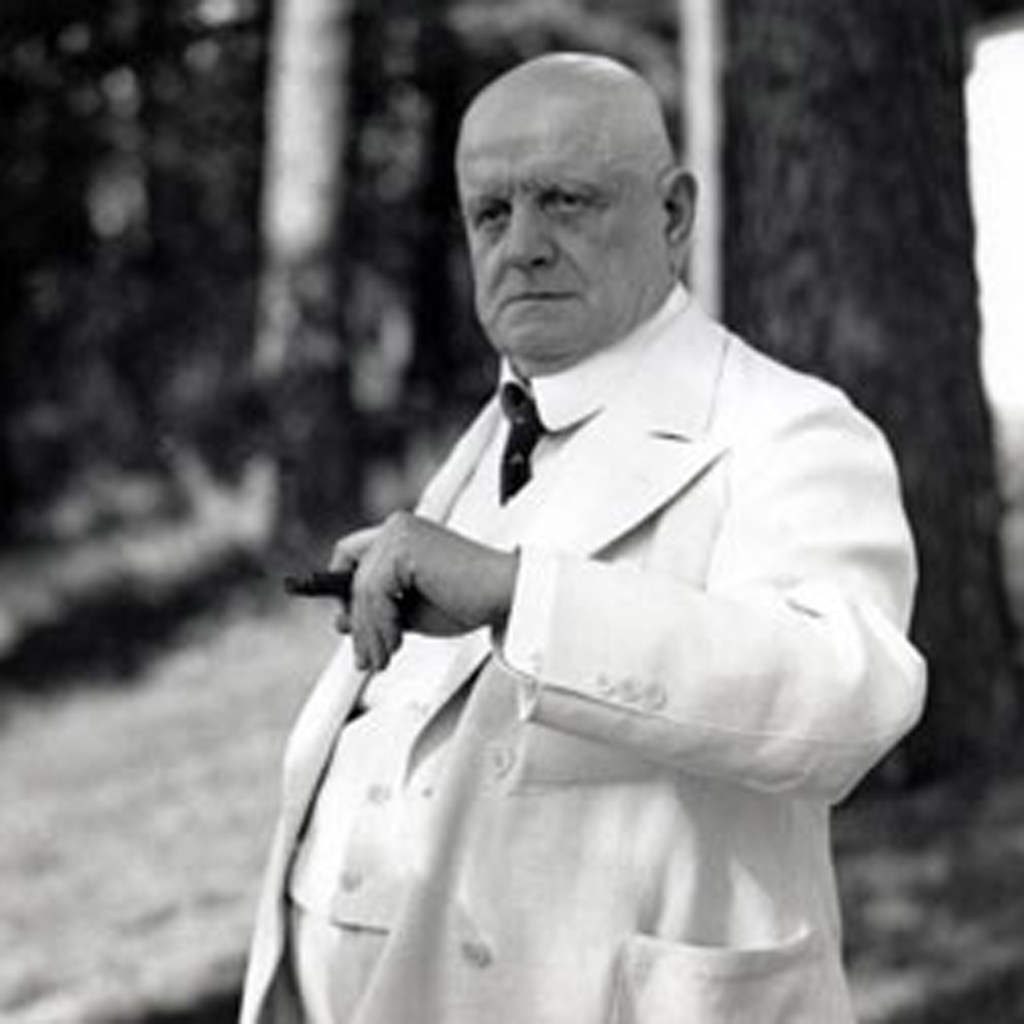
The Symphony: Jean Sibelius (1865-1957)
The 20th century Important symphonists of the early 20th century include many non-Germans. Carl Nielsen and Jean Sibelius, the former Danish, the latter Finnish, both owe much to the Viennese symphonists but acquired individual styles that resulted in new conceptions of symphonic form. Nielsen’s six symphonies display a kind of unity based on “progressive” or…
-
Symphony Number Nine — Mahler (VI 26 1912 premiere)
Listening to the 9th Symphony of Mahler With the Ninth Mahler returns to a purely orchestral Symphony, after having succeeded in integrating chorus and orchestra in his Eighth, and the genres of the song cycle and Symphony and Das Lied von der Erde, Mahler turns his attention to the purely abstract orchestral music of his…

-
Pyotr Tchaikovsky *V 7 1840 / The Life You Give
Pyotr Ilyich Tchaikovsky, also spelled Chaikovsky, Chaikovskii, or Tschaikowsky, born April 25 [May 7, New Style], 1840, in Votkinsk, Russia, is the most popular Russian composer of all time. His music has always had great appeal for the general public in virtue of its tuneful, open-hearted melodies, impressive harmonies, and colourful, picturesque orchestration, all of…
 Sila Blume