Music
-
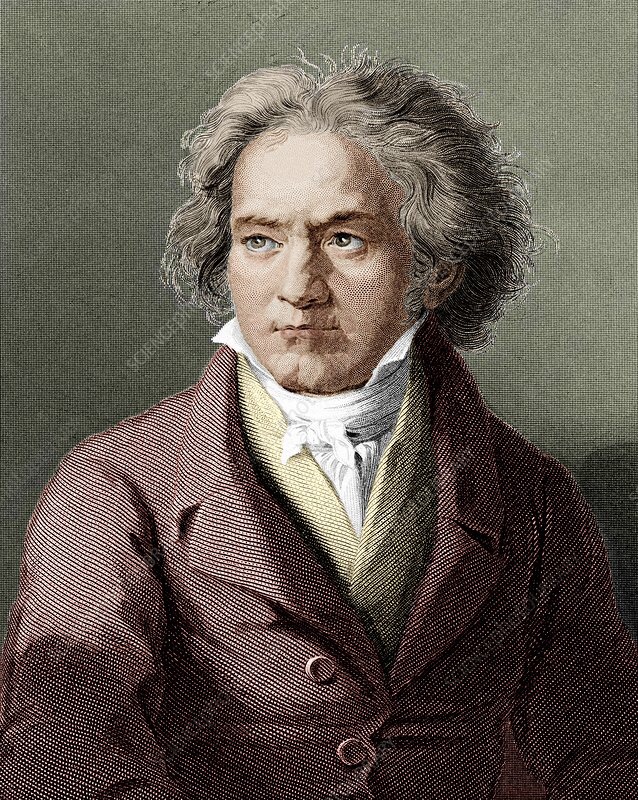
Ludwig van Beethoven *XII 17 1770 — The Life You Give
Ludwig van Beethoven, born on December 17, 1770, in Bonn, Germany, was a composer, and the predominant musical figure in the transitional period between the Classical and Romantic eras. Widely regarded as the greatest composer who ever lived, Ludwig van Beethoven dominates a period of musical history as no one else before or since. Rooted…
-
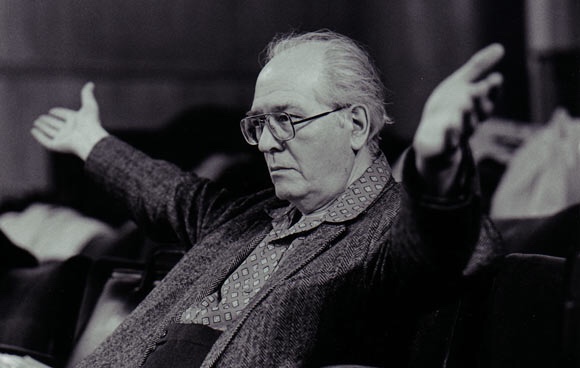
Olivier Messiaen *XII 10 1908 — The Life You Give
Olivier Messiaen, born Olivier-Eugène-Prosper-Charles Messiaen, Dec. 10, 1908, Avignon, France, is the influential composer, organist, and teacher noted for his use of mystical and religious themes. As a composer he developed a highly personal style noted for its rhythmic complexity, rich tonal colour, and unique harmonic language. Messiaen was the son of Pierre Messiaen, who…
-
Hector Berlioz *XII 11 1803 — The Life You Give
Hector Berlioz, born December 11, 1803, in La Côte-Saint-André, France, was a composer, critic, and conductor of the Romantic period, known largely for his Symphonie fantastique (1830), the choral symphony Roméo et Juliette (1839), and the dramatic piece La Damnation de Faust (1846). His last years were marked by fame abroad and hostility at home.…

-
María Callas *XII 2 1923 — The Life You Give
Maria Callas, born Maria Cecilia Sophia Anna Kalogeropoulos, on December 2, 1923, in New York, New York, U.S.A., is the operatic soprano who revived classical coloratura roles in the mid-20th century with her lyrical and dramatic versatility. Callas was the daughter of Greek immigrants and early developed an interest in singing. Accompanied by her mother,…

-
Alfredo Kraus *XI 24 1927 — The Life You Give
One of the most stylistic, professional and refined tenors of the century, Spanish tenor Alfredo Kraus passed away recently in Madrid after a long and outstanding career in the world of opera. The Kraus personality gravitated between two poles. On one side the tenor of Mozart and on the other side the lyrical tenor of…

-
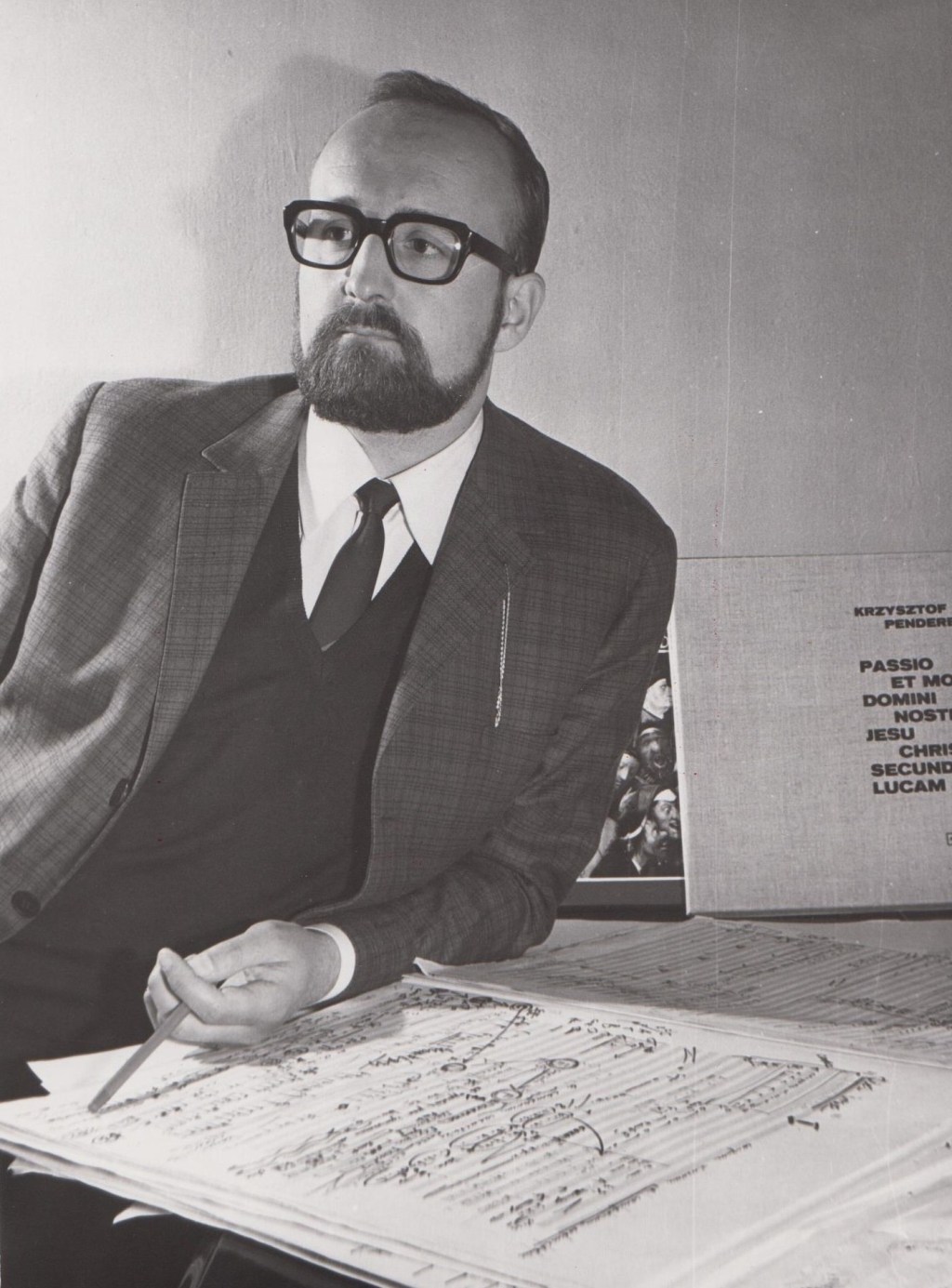
Krzysztof Penderecki *XI 23 1933 / The Life You Give
Krzysztof Penderecki, born November 23, 1933, in Debica, Poland, is an outstanding composer of his generation whose novel and masterful treatment of orchestration won worldwide acclaim. Penderecki studied composition at the Superior School of Music in Kraków (graduated 1958) and subsequently became a professor there. He first drew attention in 1959 at the third Warsaw…
-
Manuel de Falla *XI 23 1876 / La Vida Que Das
Manuel de Falla Matheu, nacido en Cádiz, el 23 de Noviembre del 1876, es el compositor y la figura musical más trascendente de todo el siglo xx español, tanto por la importancia de sus obras como por las secuelas que su trabajo ha creado en generaciones posteriores. Es el representante más importante de la llamada…

-
Benjamin Britten *XI 22 1913 — The Life You Give
Benjamin Britten, born Edward Benjamin Britten, Baron Britten Of Aldeburgh, November 22, 1913, in Lowestoft, Suffolk, England, is the composer of the mid-20th century, whose operas were considered the finest English operas since those of Henry Purcell in the 17th century. He was also an outstanding pianist and conductor. Britten composed as a child and…

-
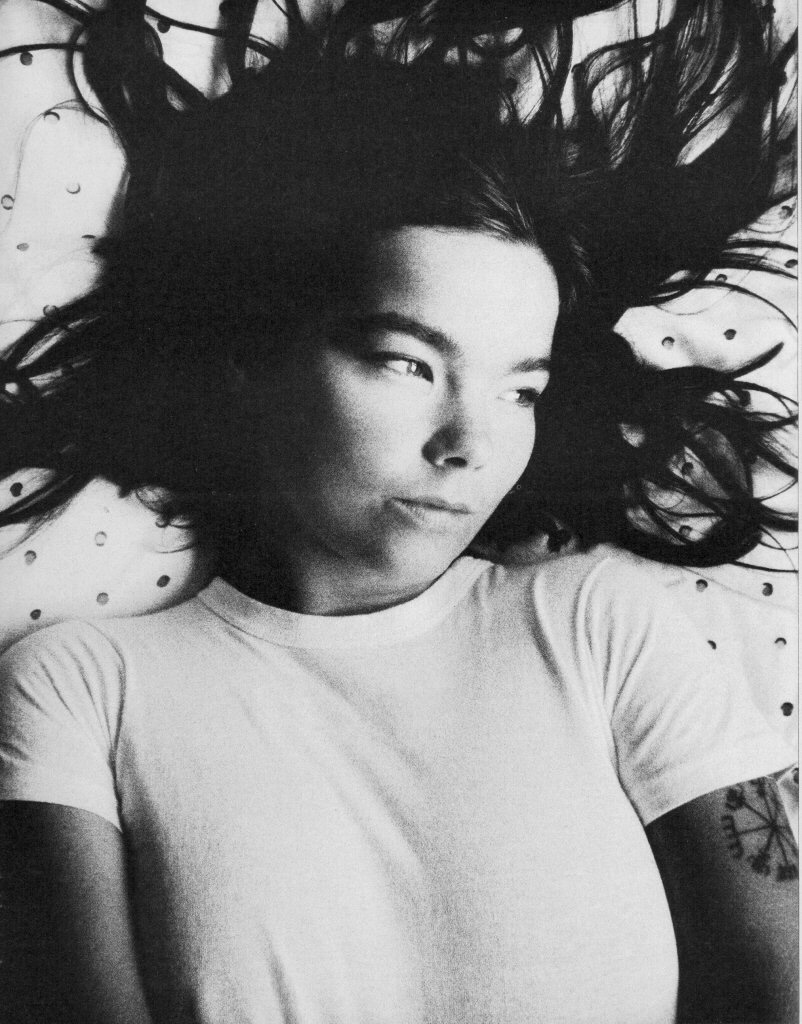
Björk *XI 21 1965 — The Life You Give
Björk, born Björk Gudmundsdottir, November 21, 1965, in Reykjavík, Iceland, is the singer-songwriter and actress best known for her solo work covering a wide variety of music styles. Integrating electronic and organic sounds, her music frequently explored the relationship between nature and technology. Björk recorded her first solo album, a collection of cover versions of…
-
Joan Sutherland *XI 7 1926 — The Life You Give
Joan Sutherland, in full Dame Joan Alston Sutherland, born November 7, 1926, in Sydney, Australia, is the operatic soprano who was considered the leading coloratura of the 20th century. The daughter of a gifted singer, she studied piano and voice with her mother until 1946, when she won a vocal competition and began studying voice…

-
Domenico Scarlatti *X 26 1685 — The Life You Give
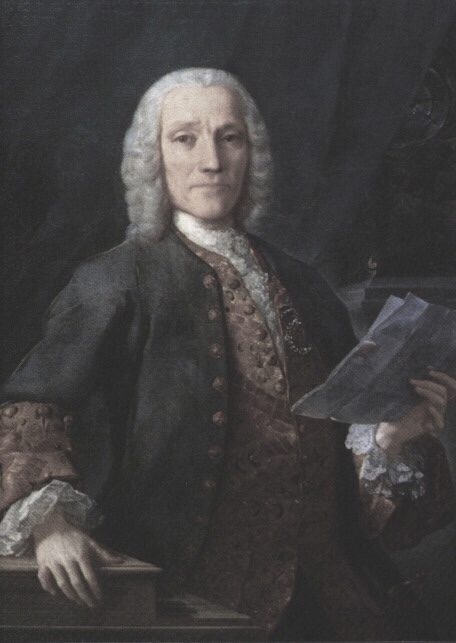
Domenico Scarlatti, born Giuseppe Domenico Scarlatti, October 26, 1685, in Naples [Italy], is the composer noted particularly for his 555 keyboard sonatas, which substantially expanded the technical and musical possibilities of the harpsichord. Early life and vocal works: Italy Domenico, the son of the famous composer of vocal music Alessandro Scarlatti, was born in the…
-
Mahalia Jackson *X 26 1911 — The Life You Give
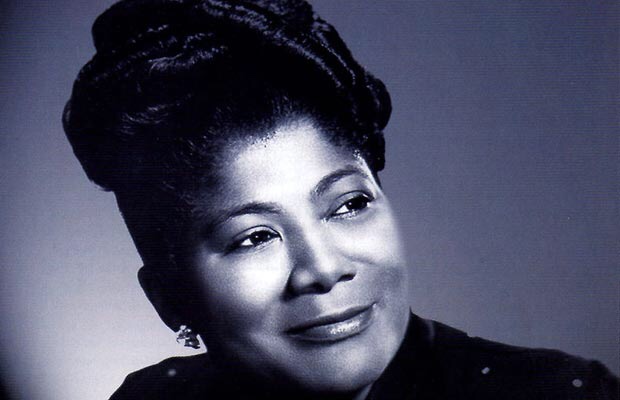
Mahalia Jackson, born October 26, 1911, in New Orleans, Louisiana, U.S.A., is the gospel music singer, known as the “Queen of Gospel Song.” Jackson was brought up in a strict religious atmosphere. Her father’s family included several entertainers, but she was forced to confine her own musical activities to singing in the church choir and…
-
Sofia Gubaidulina *X 24 1931 — The Life You Give
Sofia Gubaidulina, born October 24, 1931, Chistopol, Tatar Autonomous Soviet Socialist Republic [now Tatarstan, Russia]), is the composer whose works fuse Russian and Central Asian regional styles with the Western classical tradition. During her youth, Gubaidulina studied music in the city of Kazan, the capital of her home republic. She had lessons at the Kazan…

-
Franz Liszt *X 22 1811 / The Life You Give
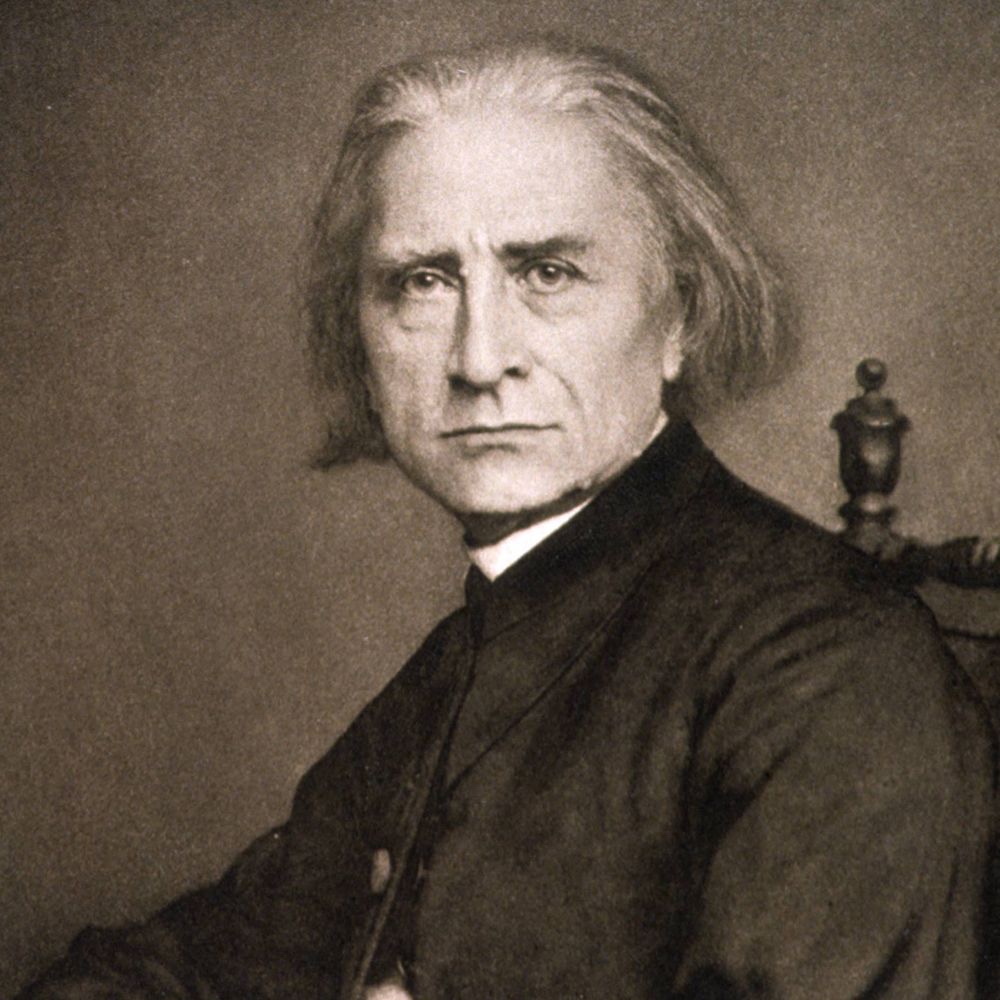
Franz Liszt, Hungarian form Liszt Ferenc, born October 22, 1811, Doborján, kingdom of Hungary, Austrian Empire [now Raiding, Austria], is the piano virtuoso and composer who composed many notable compositions — 12 symphonic poems, two (completed) piano concerti, several sacred choral works, and a great variety of solo piano pieces. Youth and early training Liszt’s…
-
Celia Cruz *X 21 1925 — La Vida Que Das / The Life You Give
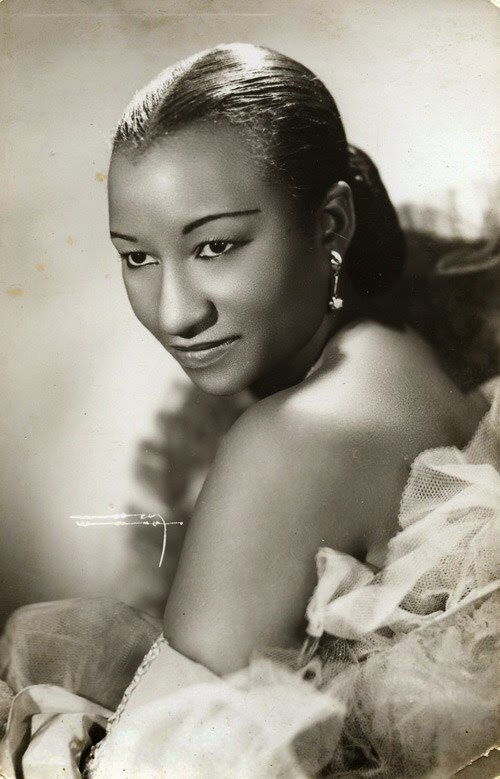
See the biography in English below A lo largo de más de medio siglo de trayectoria artística, la indiscutible Reina de la Salsa grabó alrededor de setenta álbumes y ochocientas canciones, cosechó veintitrés discos de oro y recibió cinco premios Grammy. Mucho más relevantes, sin embargo, fueron las innumerables giras y conciertos que prodigó por…
 Sila Blume