composer
-
The Life You Give: Iannis Xenakis *1922
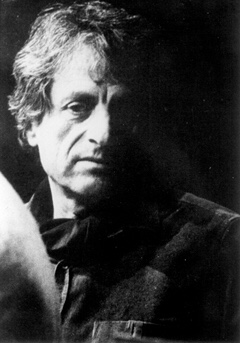
Iannis Xenakis, born May 29, 1922, in Brăila, Romania, is the Romanian-born French composer, architect, and mathematician who originated musique stochastique, music composed with the aid of electronic computers and based upon mathematical probability systems. Xenakis was born to a wealthy family of Greek ancestry, and he moved to Greece in 1932. He fought in…
-
The Life You Give: Carla Bley *1936 or 1938
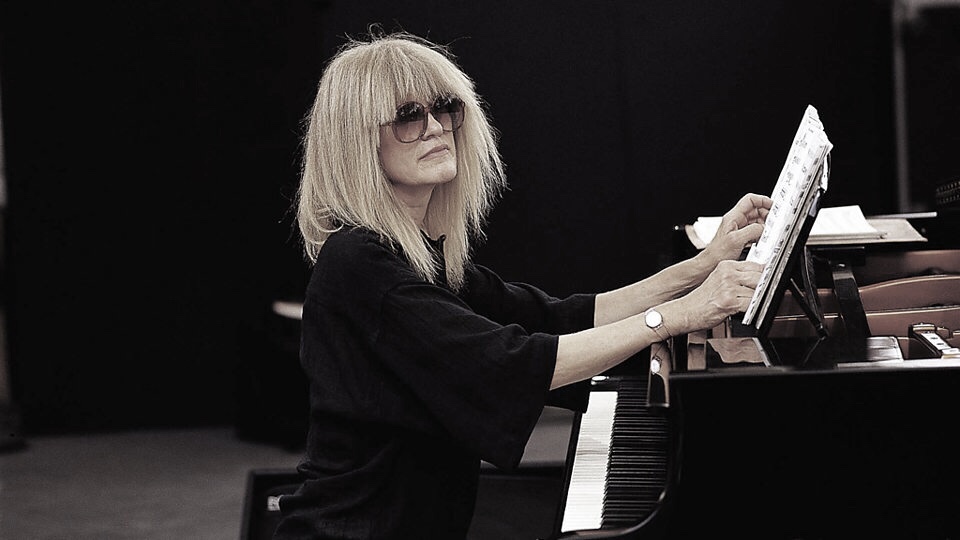
A highly regarded pianist, composer, and arranger, Carla Bley has been at the forefront of avant-garde jazz and modern creative music since the ’60s. She initially emerged as a composer, working closely with her first husband, pianist Paul Bley, as well as progressive artists like George Russell and Jimmy Giuffre. She is a founder of…
-
Billy Joel *V 9 1949 / The Life You Give
Billy Joel, born William Martin Joel, on May 9, 1949, in Bronx, New York, U.S.A., is singer, pianist, and songwriter in the pop ballad tradition whose numerous hit songs in the 1970s and ’80s made him an enduring favourite on the concert circuit. Joel, whose father was a German Jewish immigrant, was raised in Hicksville,…
-
Keith Jarrett *V 8 1945 / The Life You Give
Keith Jarrett, born May 8, 1945, in Allentown, Pennsylvania, U.S.A., is a jazz pianist, composer, and saxophonist considered to be one of the most original and prolific jazz musicians to emerge during the late 20th century. He was also a noted classical pianist. A child prodigy, Jarrett began studying the piano at age three and…

-
The Life You Give: Duke Ellington *1899
Duke Ellington, born Edward Kennedy Ellington, April 29, 1899, in Washington, D.C., U.S.A., is the pianist who was the greatest jazz composer and bandleader of his time. One of the originators of big-band jazz, Ellington led his band for more than half a century, composed thousands of scores, and created one of the most distinctive…

-
The Life You Give: Sergey Prokofiev *1891
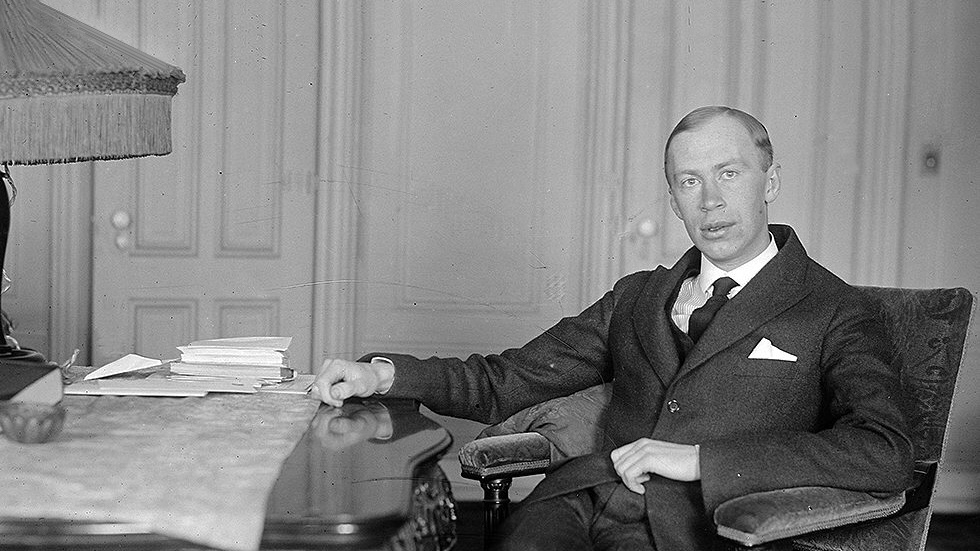
Sergey Prokofiev, born Sergey Sergeyevich Prokofiev, on April 23 1891, in Sontsovka, Ukraine, is the composer who wrote in a wide range of musical genres, including symphonies, concerti, film music, operas, ballets, and program pieces. Prokofiev (Prokofjev in the transliteration system of the Russian Academy of Sciences) was born into a family of agriculturalists. Village…
-
The Life You Give: Ethel Smyth *1858
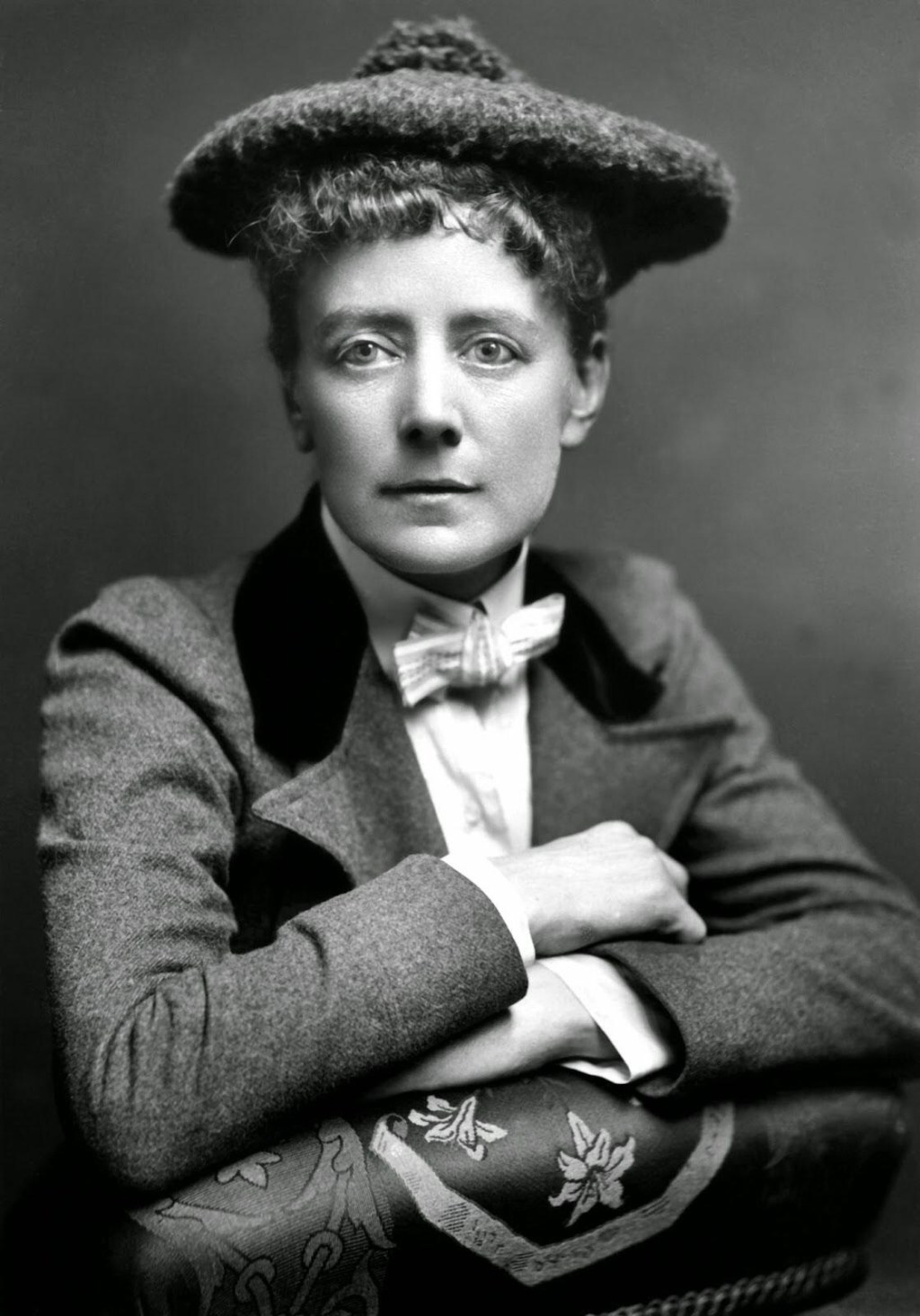
Dame Ethel Smyth, born Ethel Mary Smyth, on April 22, 1858, in London, is the composer whose work was notably eclectic, ranging from conventional to experimental. Born into a military family, Smyth studied at the Leipzig Conservatory and was encouraged by Johannes Brahms and Antonín Dvořák. She first gained notice with her sweeping Mass in…
-
The Life You Give: Germaine Tailleferre *1892
Of significance as the sole female member of the post-World War I group of French composers known as Les Six, Germaine Tailleferre remained a prominent — if somewhat inaccessible — musician long after the disintegration of that group during the middle and late 1920s. She left behind, at her death in 1983 at the age…

-
The Life You Give: André Previn *1929
Known as a successful classical conductor, jazz pianist, and composer of jazz, classical, and film music, André Previn frequently bridged the gap between popular and so-called “serious” music, and in doing so broadened the horizons of both. A German-American who fled Nazi Germany with his family in his youth, he went on to win four…

-
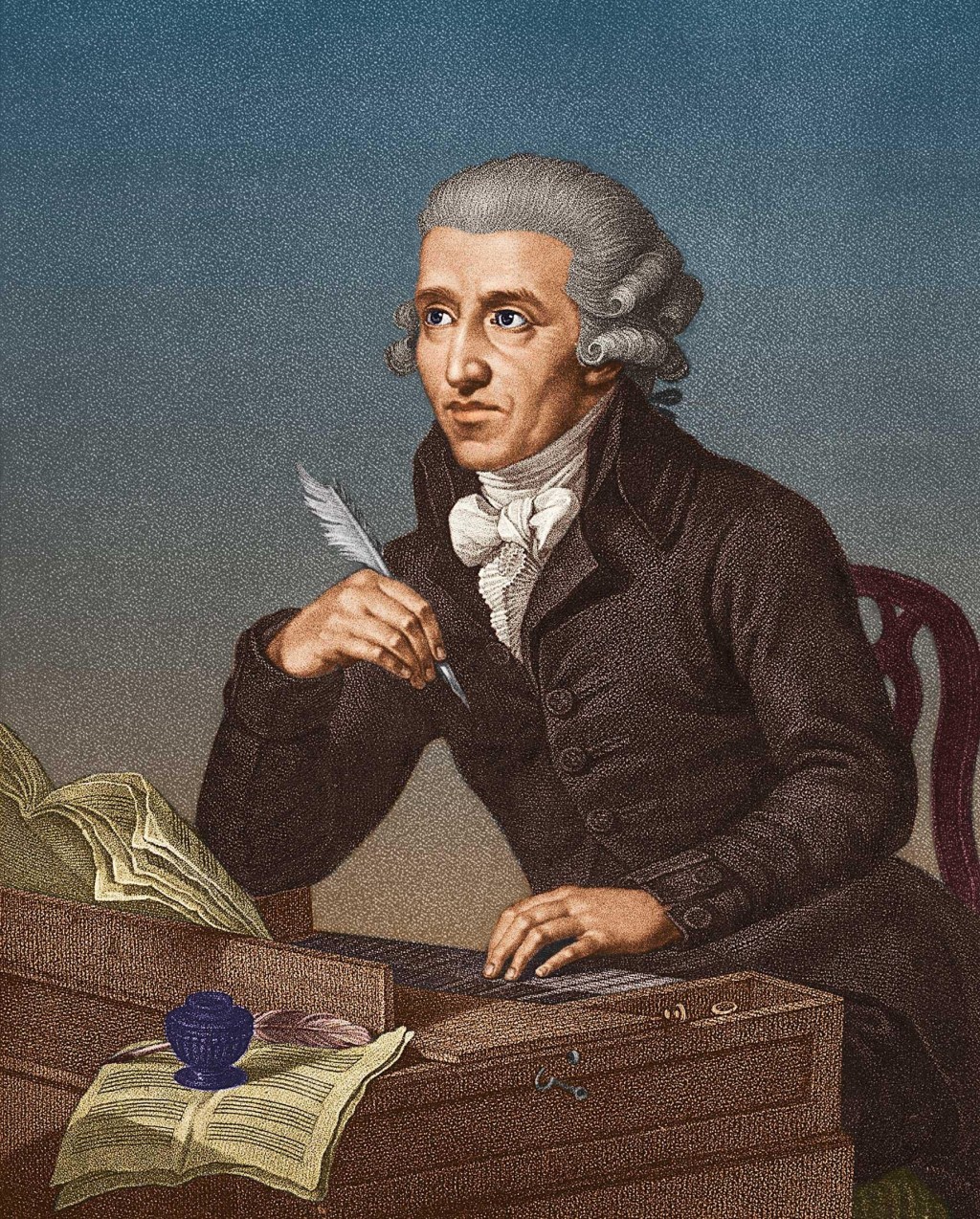
The Life You Give: Joseph Haydn *1732
Joseph Haydn, born Franz Joseph Haydn, on March 31, 1732, in Rohrau, Austria, is the composer who was one of the most important figures in the development of the Classical style in music during the 18th century. He helped establish the forms and styles for the string quartet and the symphony. Early years Haydn was…
-
The Life You Give: Pierre Boulez *1925
Pierre Boulez, born March 26, 1925, in Montbrison, France, is the most significant French composer of his generation, as well as a noted conductor and music theorist who championed the work of 20th-century composers.Boulez, the son of a steel manufacturer, majored in mathematics at the Collège de Saint-Étienne, where he also took music lessons; he…

-
The Life You Give: Modest Mussorgsky *1839
Modest Mussorgsky, born Modest Petrovich Mussorgsky, on March 9 [March 21, New Style], 1839, in Karevo, Russia, was the composer noted particularly for his opera Boris Godunov (final version first performed 1874), his songs, and his piano piece Pictures from an Exhibition (1874). Mussorgsky, along with Aleksandr Borodin, Mily Balakirev, Nikolay Rimsky-Korsakov, and César Cui,…

-
Johann Sebastian Bach, and the beginnings of a musical family
A pretty noise they must have made together! However, he learnt to keep time, and this apparently was the beginning of music in our family.” Johann Sebastian Bach, referring to his great-great-grandfather Veit Bach, a Lutheran baker who used to take his cittern to the mill, and play it while the mill was grinding. (Source:…
-
The Life You Give: Bernd Alois Zimmermann *1918
One of the most important German composers to emerge during the post-World War II era, Bernd Alois Zimmermann was born in the outskirts of Cologne in 1918. His schooling at the Cologne Musikhochschule was interrupted when he was drafted for military service in the early days of the Second World War. Discharged in 1942, Zimmermann…
 Sila Blume