Philosophy
-
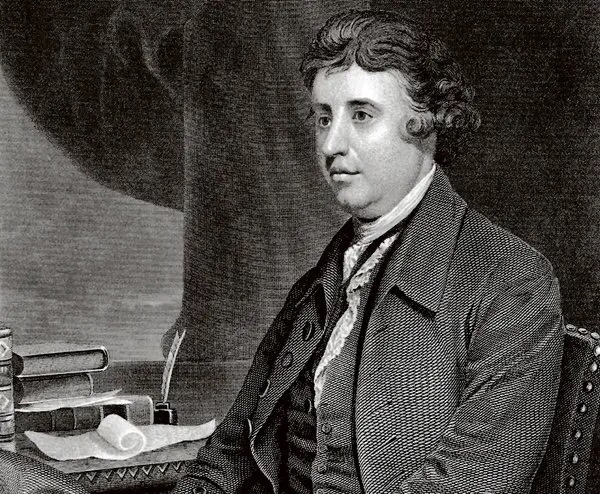
Edmund Burke *I.1.1729 — The Life You Give
Edmund Burke, born January 1, [Old Style], 1729, in Dublin, Ireland, was statesman, parliamentary orator, and political thinker prominent in public life from 1765 to about 1795 and important in the history of political theory. He championed conservatism in opposition to Jacobinism in Reflections on the Revolution in France (1790). Early life Burke, the son…
-
Albert Camus *XI 7 1913 — The Life You Give
Albert Camus, born November 7, 1913, in Mondovi, Algeria, is the novelist, essayist, and playwright, best known for such novels as L’Étranger (1942; The Stranger), La Peste (1947; The Plague), and La Chute (1956; The Fall) and for his work in leftist causes. He received the 1957 Nobel Prize for Literature. Less than a year…

-
Theodor Adorno *IX 11 1903 — The Life You Give
Theodor Adorno, born Theodor Ludwig Wiesengrund, on Sept. 11, 1903, Frankfurt am Main, Germany, is the philosopher who also wrote on sociology, psychology, and musicology. Adorno obtained a degree in philosophy from Johann Wolfgang Goethe University in Frankfurt in 1924. His early writings, which emphasize aesthetic development as important to historical evolution, reflect the influence…

-
Jean-Paul Sartre *VI 21 1905 — The Life You Give
Jean-Paul Sartre, born June 21, 1905, in Paris, France, is the philosopher, novelist, and playwright, best known as the leading exponent of existentialism in the 20th century. In 1964 he declined the Nobel Prize for Literature, which had been awarded to him “for his work which, rich in ideas and filled with the spirit of…

-
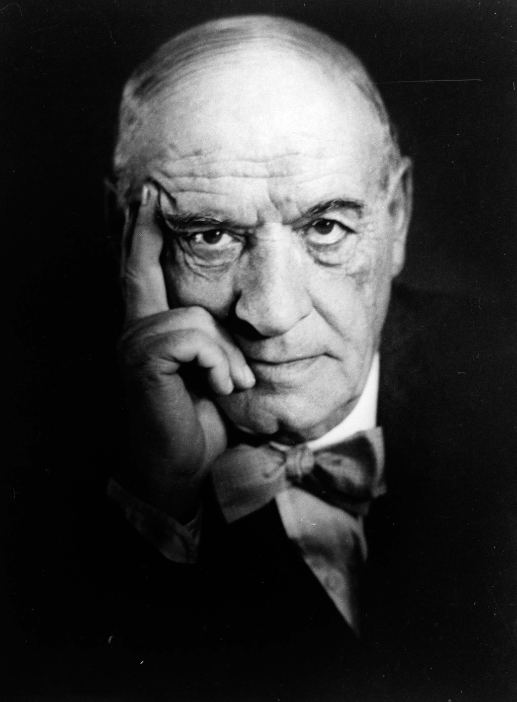
José Ortega y Gasset *V 9 1883 — La Vida Que Das / The Life You Give
“Se conducen bien las aguas; pero cuando la cañería se rompe, no hay manera de encauzarlas. Igual ocurre con las masas. Es peligroso el movilizarlas, porque nadie puede vaticinar adónde llegarán en definitiva”. — Ortega y Gasset Enlace al libro en PDF Hijo de una familia de la alta burguesía, creció en un entorno marcado…
-
Søren Kierkegaard *V 5 1813 — The Life You Give
Søren Kierkegaard, born Søren Aabye Kierkegaard, on May 5, 1813, in Copenhagen, Denmark, is the philosopher, theologian, and cultural critic who was a major influence on existentialism and Protestant theology in the 20th century. He attacked the literary, philosophical, and ecclesiastical establishments of his day for misrepresenting the highest task of human existence—namely, becoming oneself…

-
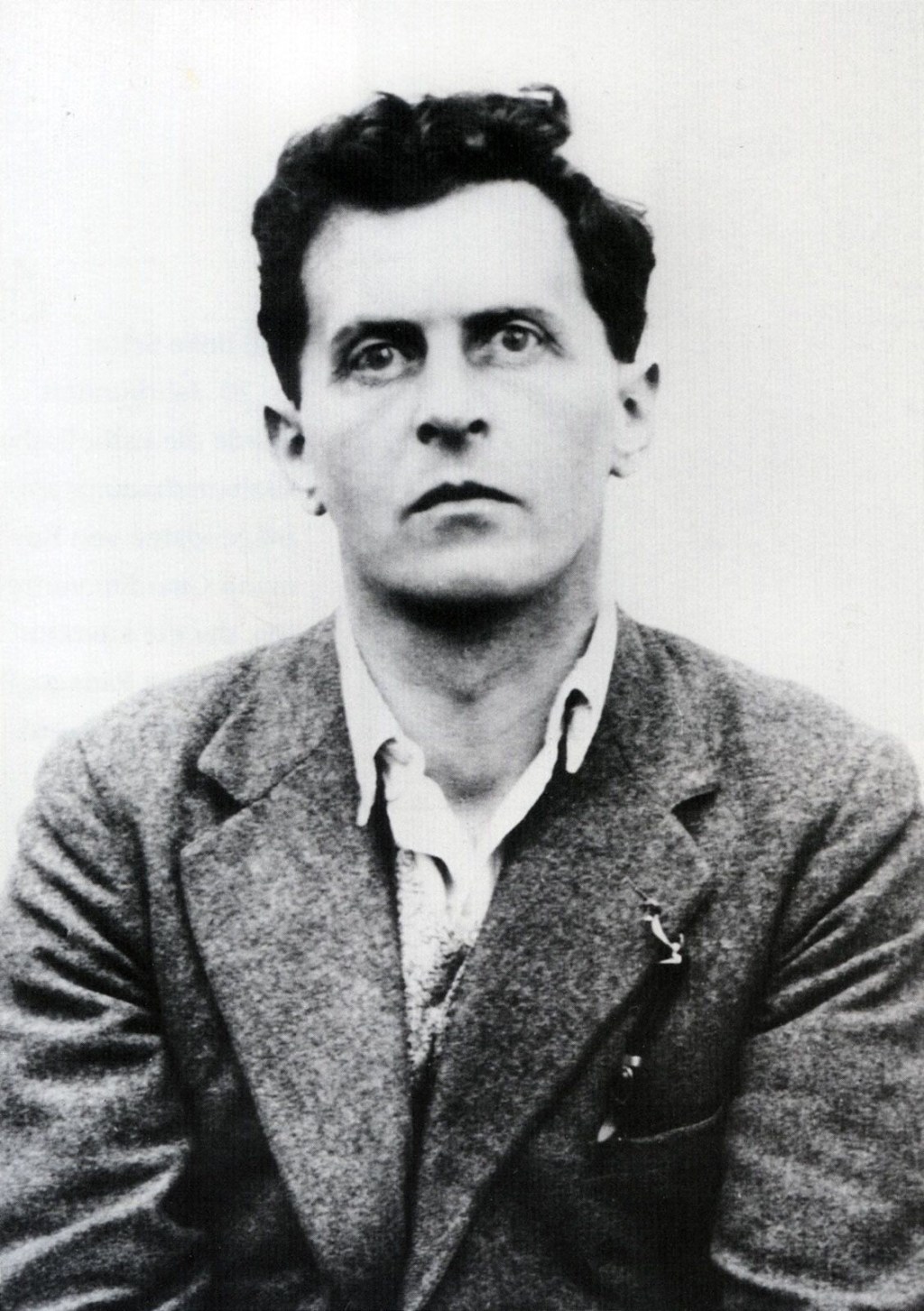
Ludwig Wittgenstein *IV 26 1889 — The Life You Give
Ludwig Wittgenstein, born Ludwig Josef Johann Wittgenstein, on April 26, 1889, in Vienna, Austria-Hungary [now in Austria], is the philosopher, regarded by many as the greatest philosopher of the 20th century. Wittgenstein’s two major works, Logisch-philosophische Abhandlung (1921; Tractatus Logico-Philosophicus, 1922) and Philosophische Untersuchungen (published posthumously in 1953; Philosophical Investigations), have inspired a vast secondary…
-
Albert Camus *XI 7 1913 — The Life You Give
Albert Camus, born November 7, 1913, in Mondovi, Algeria, is the novelist, essayist, and playwright, best known for such novels as L’Étranger (1942; The Stranger), La Peste (1947; The Plague), and La Chute (1956; The Fall) and for his work in leftist causes. He received the 1957 Nobel Prize for Literature. Less than a year…
-
The Life You Give: Theodor Adorno *IX 11 1903
Theodor Adorno, born Theodor Ludwig Wiesengrund, on Sept. 11, 1903, Frankfurt am Main, Germany, is the philosopher who also wrote on sociology, psychology, and musicology. Adorno obtained a degree in philosophy from Johann Wolfgang Goethe University in Frankfurt in 1924. His early writings, which emphasize aesthetic development as important to historical evolution, reflect the influence…
-
The Life You Give: Søren Kierkegaard *V 5 1813
Søren Kierkegaard, born Søren Aabye Kierkegaard, on May 5, 1813, in Copenhagen, Denmark, is the philosopher, theologian, and cultural critic who was a major influence on existentialism and Protestant theology in the 20th century. He attacked the literary, philosophical, and ecclesiastical establishments of his day for misrepresenting the highest task of human existence—namely, becoming oneself…
-
The Life You Give: Ludwig Wittgenstein *IV 26 1889
Ludwig Wittgenstein, born Ludwig Josef Johann Wittgenstein, on April 26, 1889, Vienna, Austria-Hungary [now in Austria], is the philosopher, regarded by many as the greatest philosopher of the 20th century. Wittgenstein’s two major works, Logisch-philosophische Abhandlung (1921; Tractatus Logico-Philosophicus, 1922) and Philosophische Untersuchungen (published posthumously in 1953; Philosophical Investigations), have inspired a vast secondary literature…
-
José Ortega y Gasset *V 9 1883 / La Vida Que Das
“Se conducen bien las aguas; pero cuando la cañería se rompe, no hay manera de encauzarlas. Igual ocurre con las masas. Es peligroso el movilizarlas, porque nadie puede vaticinar adónde llegarán en definitiva”. — Ortega y Gasset Enlace al libro en PDF Hijo de una familia de la alta burguesía, creció en un entorno marcado…
-
The Life You Give: Søren Kierkegaard *1813
Søren Kierkegaard, born Søren Aabye Kierkegaard, on May 5, 1813, in Copenhagen, Denmark, is the philosopher, theologian, and cultural critic who was a major influence on existentialism and Protestant theology in the 20th century. He attacked the literary, philosophical, and ecclesiastical establishments of his day for misrepresenting the highest task of human existence—namely, becoming oneself…
-
Albert Camus *XI 7 1913 — The Life You Give
Albert Camus, born November 7, 1913, in Mondovi, Algeria, is the novelist, essayist, and playwright, best known for such novels as L’Étranger (1942; The Stranger), La Peste (1947; The Plague), and La Chute (1956; The Fall) and for his work in leftist causes. He received the 1957 Nobel Prize for Literature. Less than a year…
-
The Life You Give: Theodor Adorno *IX 11 1903
Theodor Adorno, born Theodor Ludwig Wiesengrund, on Sept. 11, 1903, Frankfurt am Main, Germany, is the philosopher who also wrote on sociology, psychology, and musicology. Adorno obtained a degree in philosophy from Johann Wolfgang Goethe University in Frankfurt in 1924. His early writings, which emphasize aesthetic development as important to historical evolution, reflect the influence…
 Sila Blume