Personalities
-
Anton Bruckner *IX 4 1824 — The Life You Give
Anton Bruckner, born Josef Anton Bruckner, Sept. 4, 1824, in Ansfelden, Austria, is the composer of a number of highly original and monumental symphonies. He was also an organist and teacher who composed much sacred and secular choral music. Bruckner was the son of a village schoolmaster and organist in Upper Austria. He showed talent…

-
Charlie Parker *VIII 29 1920 — The Life You Give
Charlie Parker, born Charles Parker, Jr., also called Bird or Yardbird, on August 29, 1920, in Kansas City, Kansas, U.S.A., is the alto saxophonist, composer, and bandleader, a lyric artist generally considered the greatest jazz saxophonist. Parker was the principal stimulus of the modern jazz idiom known as bebop, and—together with Louis Armstrong and Ornette…

-
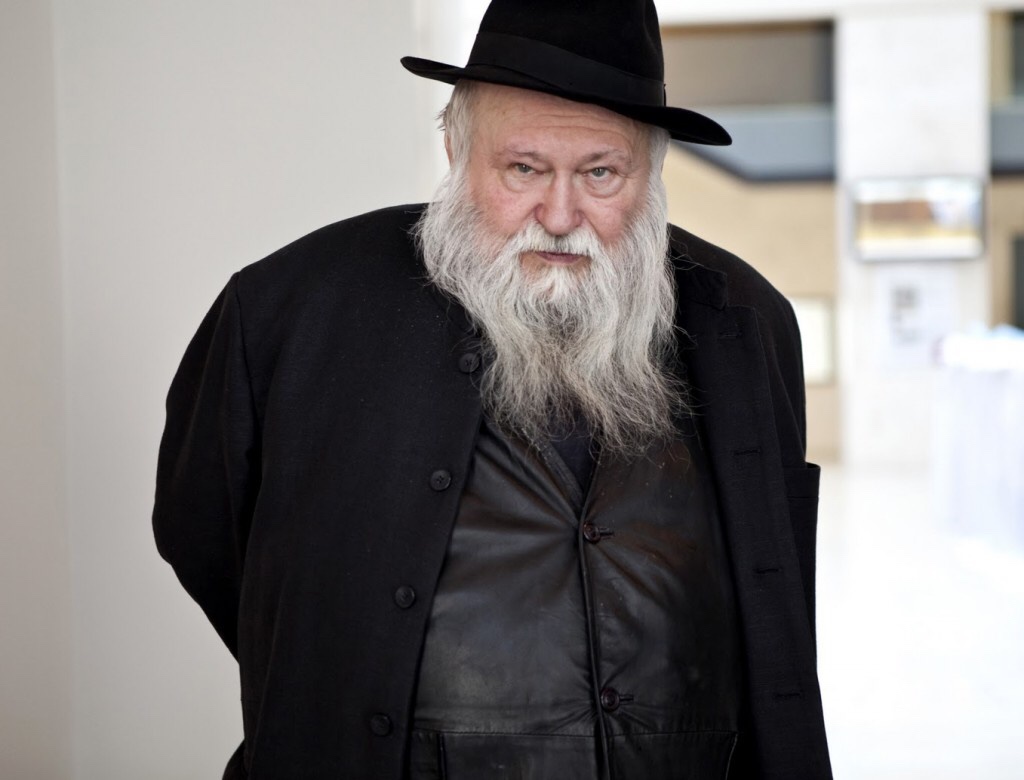
Hermann Nitsch *VIII 29 1938 — The Life You Give
Hermann Nitsch is an avant-garde painter, composer, and performance artist who worked in experimental and multimedia modes. He was a co-founder of the notorious art movement known as the Viennese Aktionists. With his project Orgien Mysterien Theater (“the Orgiastic Mystery Theater”), Nitsch immersed his audiences in scenes and symbols heavily charged with meaning: religious imagery,…
-
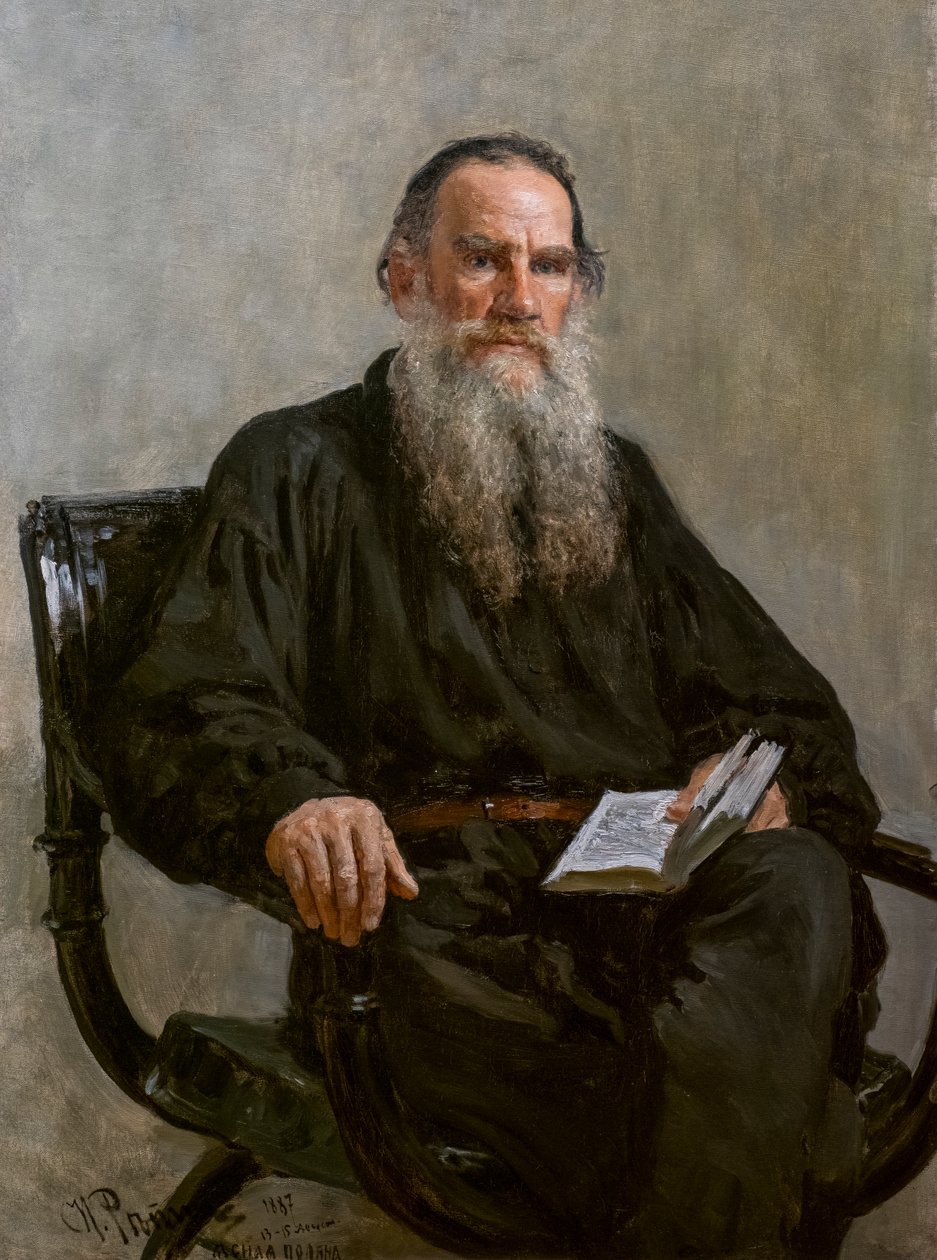
Leo Tolstoy *VIII 28 1828 — The Life You Give
Leo Tolstoy, born August 28 [September 9, New Style], 1828, in Yasnaya Polyana, Tula province, Russian Empire, is the author, master of realistic fiction, and one of the world’s greatest novelists. He is best known for his two longest works, War and Peace (1865–69) and Anna Karenina (1875–77), which are commonly regarded as among the…
-
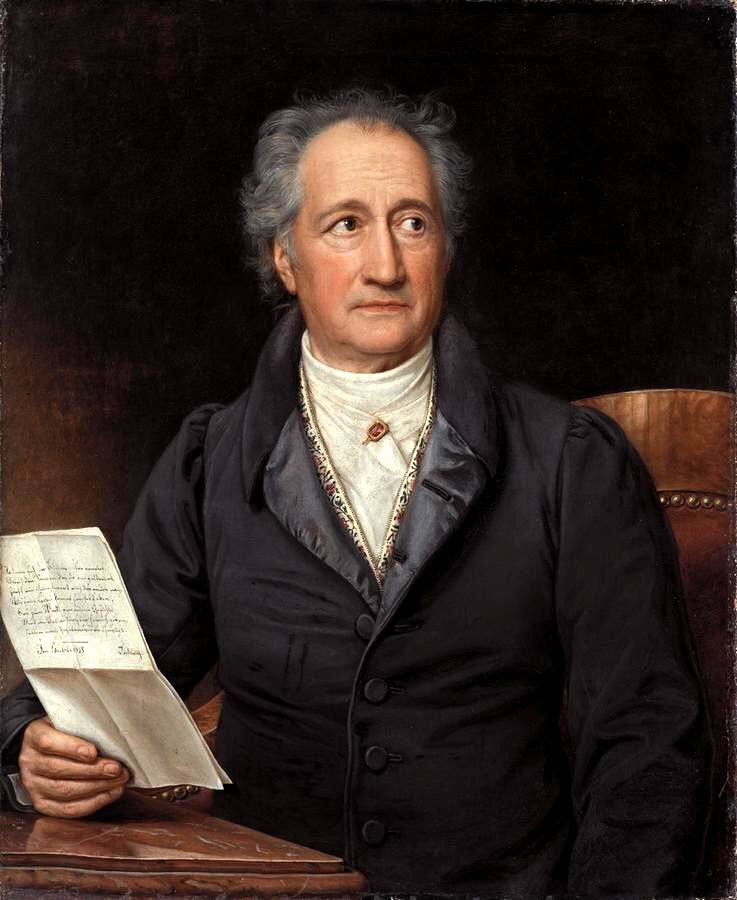
Johann Wolfgang von Goethe *VIII 28 1749 — The Life You Give
Johann Wolfgang von Goethe, born August 28, 1749, in Frankfurt am Main, Germany, is the poet, playwright, novelist, scientist, statesman, theatre director, critic, and amateur artist, considered the greatest German literary figure of the modern era. Goethe is the only German literary figure whose range and international standing equal those of Germany’s supreme philosophers (who…
-
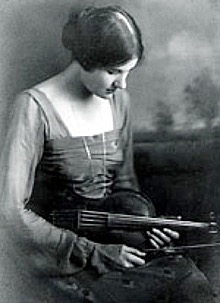
Rebecca Clarke *VIII 27 1886 — The Life You Give
Rebecca Helferich Clarke, born on August 27 1886, is the classical composer and violist, internationally renowned as a viola virtuoso who also became one of the first female professional orchestral players in London. In many respects, Rebecca Clarke had a troubled childhood. Her father maintained a strict sense of Victorian morals and could be quite…
-
Jorge Luis Borges *VIII 24 1899 — The Life You Give
Jorge Luis Borges, born Jorge Francisco Isidoro Luis Borges Acevedo, August 24, 1899, in Buenos Aires, Argentina, is the poet, essayist, and short-story writer whose works became classics of 20th-century world literature. Borges was reared in the then-shabby Palermo district of Buenos Aires, the setting of some of his works. His family, which had been…

-
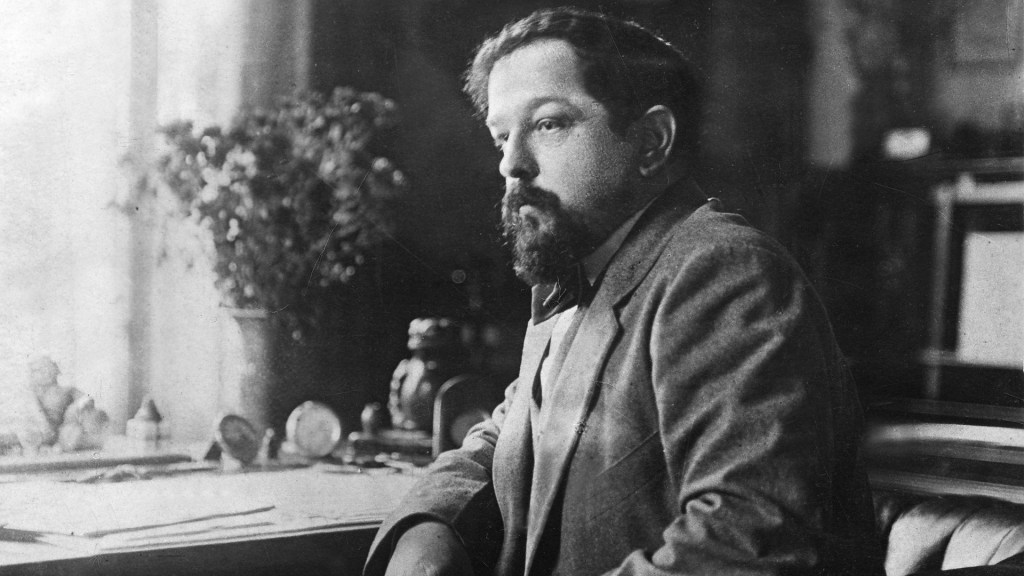
Claude Debussy *VIII 22 1862 / The Life You Give
Claude Debussy, born Achille-Claude Debussy, on August 22, 1862, in Saint-Germain-en-Laye, France, is the composer whose works were a seminal force in the music of the 20th century. He developed a highly original system of harmony and musical structure that expressed in many respects the ideals to which the Impressionist and Symbolist painters and writers…
-
Karlheinz Stockhausen *VIII 22 1928 / The Life You Give
Karlheinz Stockhausen, born Aug. 22, 1928, in Mödrath, near Cologne, Germany, is the composer, and important creator and theoretician of electronic and serial music who strongly influenced avant-garde composers from the 1950s through the ’80s. Stockhausen studied at the State Academy for Music in Cologne and the University of Cologne from 1947 to 1951. In…

-
Lili Boulanger *VIII 21 1893 / The Life You Give
Lili Boulanger was born on August 21, 1893 in Paris, France, to a musical family. Her mother, father, and sister Nadia were all trained composers or performers. When her father, Ernest, was only 20, he won the Prix de Rome. This coveted prize, which provided a year’s study in Rome, was the greatest recognition a…

-
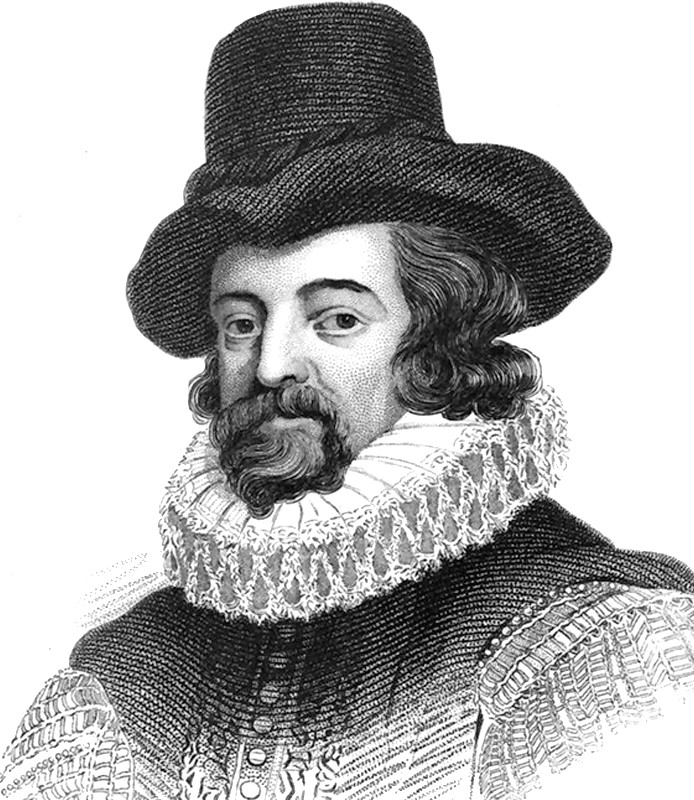
Jacopo Peri *VIII 20 1561 / The Life You Give
Jacopo Peri, byname Il Zazzerino, born August 20, 1561, in Rome or Florence, is the composer noted for his contribution to the development of dramatic vocal style in early Baroque opera. Under the early sponsorship of the Florentine Cristofano Malvezzi, Peri had published by 1583 both an instrumental work and a madrigal. After early posts…
-
Robert Plant *VIII 20 1948 / The Life You Give
Robert Plant, born Robert Anthony Plant, on August 20, 1948, in West Bromwich, Staffordshire, England, is the singer-songwriter best known as the lead singer for the rock band Led Zeppelin. Plant’s dynamic vocal range and flamboyant stage presence has distinguished him as a popular and influential rock and roll front man. Since the dissolution of…

-
Antonio Salieri *VIII 18 1750 / The Life You Give
Antonio Salieri, born Aug. 18, 1750, in Legnago, Republic of Venice [Italy], is the composer whose operas were acclaimed throughout Europe in the late 18th century. At the age of 16, Salieri was taken to Vienna by F.L. Gassmann, the imperial court composer and music director (Hofkapellmeister), and was introduced to Emperor Joseph II. During…

-
Kaikhosru Sorabji *VIII 14 1892 — The Life You Give
Kaikhosru Shapurji Sorabji, born Leon Dudley Sorabji on August 14 1892, in Chingford, near London, England, is the eccentric English composer known for his complex musical works combining free rhythms, elements of Asiatic melodic construction, and European polyphonic structures. As a young man he became interested in his father’s Parsi heritage and changed his name…

-
Alfred Hitchcock *VIII 13 1899 — The Life You Give
Alfred Hitchcock, born August 13, 1899, London, England, is the motion-picture director whose suspenseful films and television programs won immense popularity and critical acclaim over a long and tremendously productive career. His films are marked by a macabre sense of humour and a somewhat bleak view of the human condition. Hitchcock grew up in London’s…


