Music
-
Adolphe Sax *XI 6 1814 — The Life You Give
Adolphe Sax, born Antoine-Joseph Sax, November 6, 1814, in Dinant, Belgium, is the maker of musical instruments and inventor of the saxophone. Sax was the son of Charles Joseph Sax (1791–1865), a maker of wind and brass instruments, as well as of pianos, harps, and guitars. Adolphe studied the flute and clarinet at the Brussels…

-
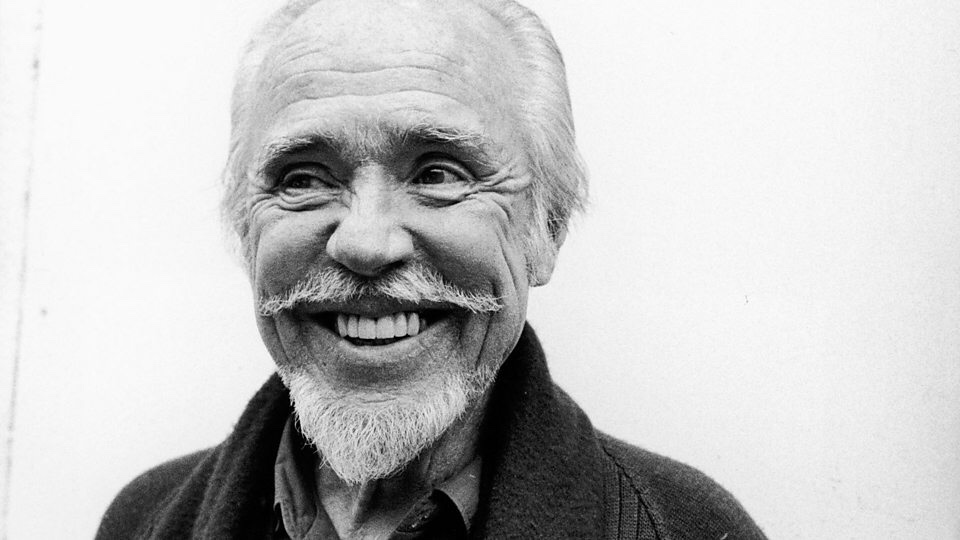
Conlon Nancarrow *X 27 1912 — The Life You Give
Conlon Nancarrow was an iconoclastic American composer who wrote in an utterly new way using new instrumental resources. While isolated from the main currents of music, he was virtually ignored by the public and his colleagues until the 1970s. In the 1980s composer György Ligeti said Nancarrow was writing “the best music by any living…
-
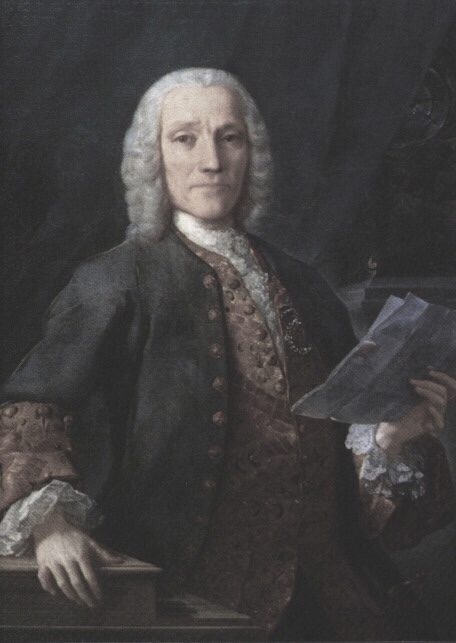
Domenico Scarlatti *X 26 1685 — The Life You Give
Domenico Scarlatti, born Giuseppe Domenico Scarlatti, October 26, 1685, in Naples [Italy], is the composer noted particularly for his 555 keyboard sonatas, which substantially expanded the technical and musical possibilities of the harpsichord. Early life and vocal works: Italy Domenico, the son of the famous composer of vocal music Alessandro Scarlatti, was born in the…
-
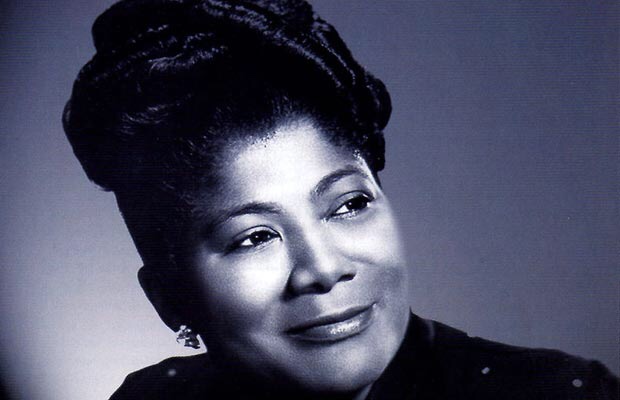
Mahalia Jackson *X 26 1911 — The Life You Give
Mahalia Jackson, born October 26, 1911, in New Orleans, Louisiana, U.S.A., is the gospel music singer, known as the “Queen of Gospel Song.” Jackson was brought up in a strict religious atmosphere. Her father’s family included several entertainers, but she was forced to confine her own musical activities to singing in the church choir and…
-
Sofia Gubaidulina *X 24 1931 — The Life You Give
Sofia Gubaidulina, born October 24, 1931, Chistopol, Tatar Autonomous Soviet Socialist Republic [now Tatarstan, Russia]), is the composer whose works fuse Russian and Central Asian regional styles with the Western classical tradition. During her youth, Gubaidulina studied music in the city of Kazan, the capital of her home republic. She had lessons at the Kazan…

-
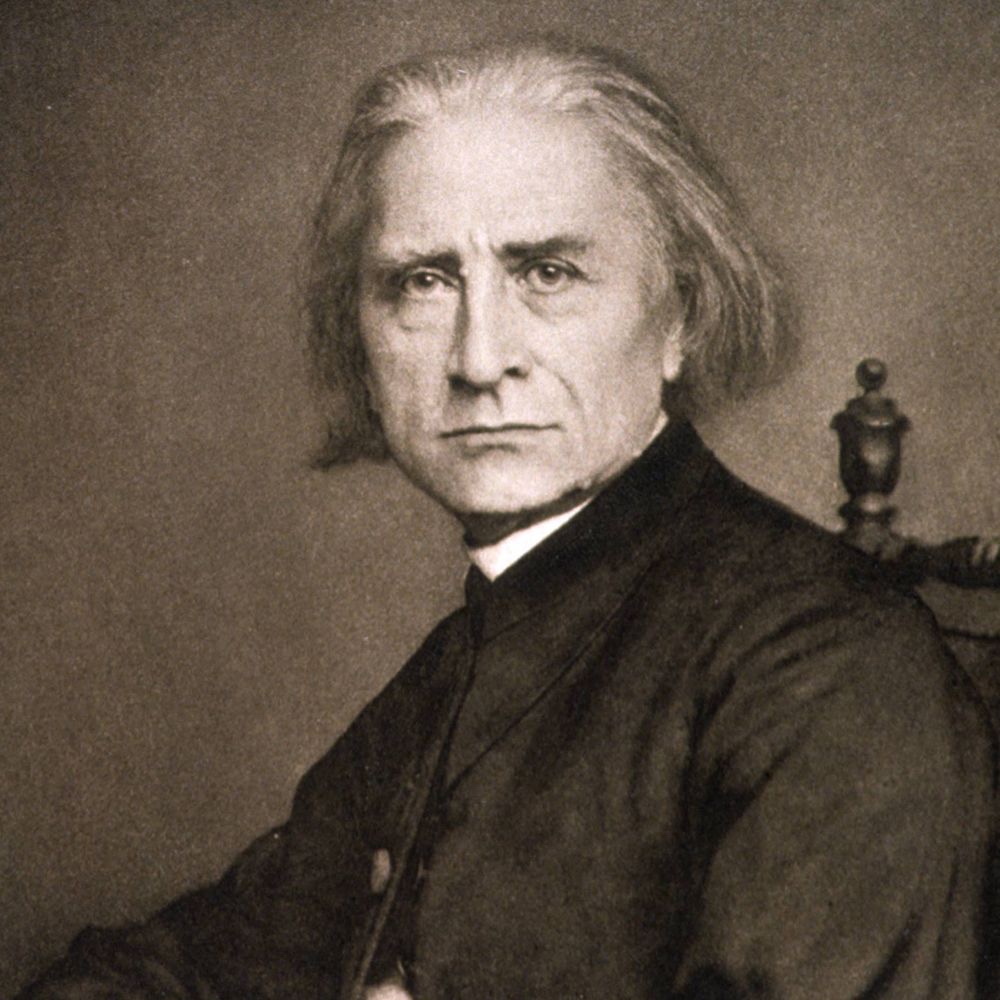
Franz Liszt *X 22 1811 / The Life You Give
Franz Liszt, Hungarian form Liszt Ferenc, born October 22, 1811, Doborján, kingdom of Hungary, Austrian Empire [now Raiding, Austria], is the piano virtuoso and composer who composed many notable compositions — 12 symphonic poems, two (completed) piano concerti, several sacred choral works, and a great variety of solo piano pieces. Youth and early training Liszt’s…
-
Celia Cruz *X 21 1925 — La Vida Que Das / The Life You Give
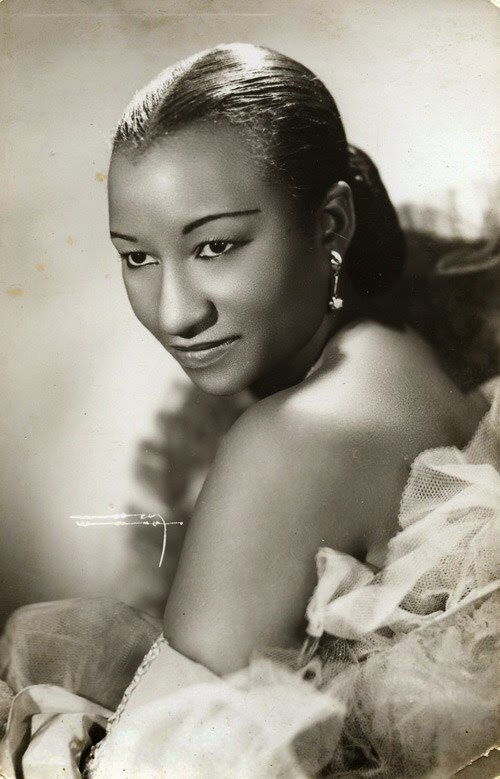
See the biography in English below A lo largo de más de medio siglo de trayectoria artística, la indiscutible Reina de la Salsa grabó alrededor de setenta álbumes y ochocientas canciones, cosechó veintitrés discos de oro y recibió cinco premios Grammy. Mucho más relevantes, sin embargo, fueron las innumerables giras y conciertos que prodigó por…
-
Days with Guiseppe Verdi: La Traviata
La Traviata is one of the cornerstones of the operatic repertory. The score is littered with fantastic tunes that are now wildly famous (even those who aren’t at all operatically versed will know many of the arias from countless TV ads), but beyond that, the coherence of the whole piece makes it a masterpiece. The…

-
Days with Giuseppe Verdi: Ernani / featuring Luciano Pavarotti *X 12 1935
Music: Giuseppe VerdiLibretto: Francesco Maria Piave`ACT I: THE BANDIT Spain, 1519. Don Juan of Aragon has lost his title and wealth during a civil war. Taking the name Ernani, he leads a band of outlaws in the mountains. He tells his men of his love for Elvira and his daring plan to rescue her from…

-
Days with Giuseppe Verdi: Simon Boccanegra
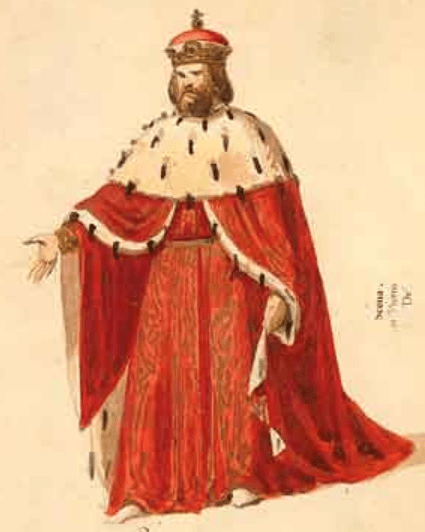
Music: Giuseppe Verdi Libretto: Francesco Maria Piave World premiere: Teatro la Fenice, Venice, 1857 (original version); Teatro alla Scala, Milan, 1881 (revised version). PROLOGUE Genoa, 14th century. Paolo and Pietro, leaders of the plebeians, are conspiring to overthrow the aristocracy. They name the popular former pirate Simon Boccanegra as their candidate for the office of…
-
Falstaff — the last opera by Giuseppe Verdi
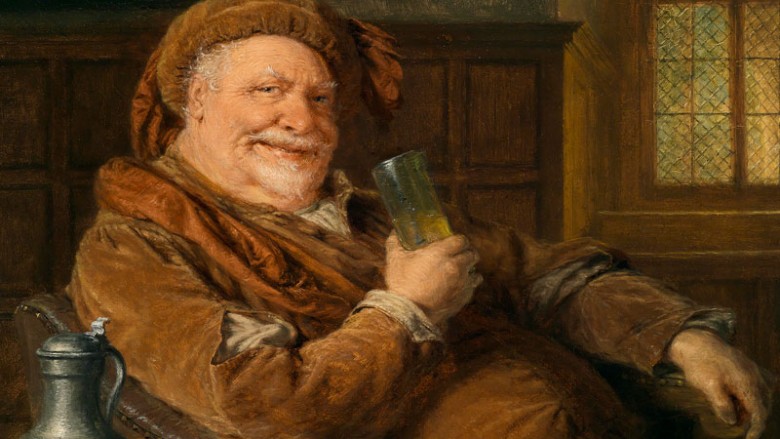
ACT I The Garter Inn. Dr. Caius bursts into Sir John Falstaff’s room in the Garter Inn, accusing him of unseemly behavior the previous night. He further accuses Falstaff’s two henchmen, Bardolph and Pistol, of having robbed him while he was drunk. Unable to obtain reparations, Dr. Caius leaves in a fury. Falstaff contemplates the…
-
Edwin Fischer *X 6 1886 — The Life You Give
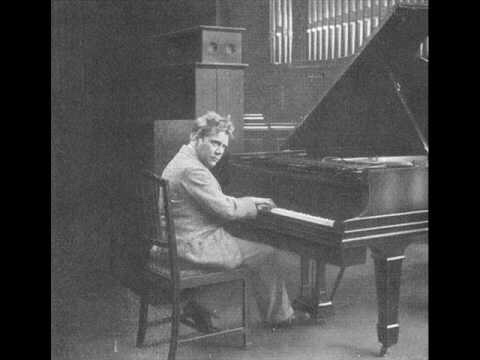
Edwin Fischer was a Swiss pianist, conductor, and educator during the first half of the 20th century. He was known for his expressive interpretations of the piano music of J.S. Bach and Mozart. Fischer was born in 1886 in Basle, Switzerland, and started playing the piano when he was four years old. Both of his…
-
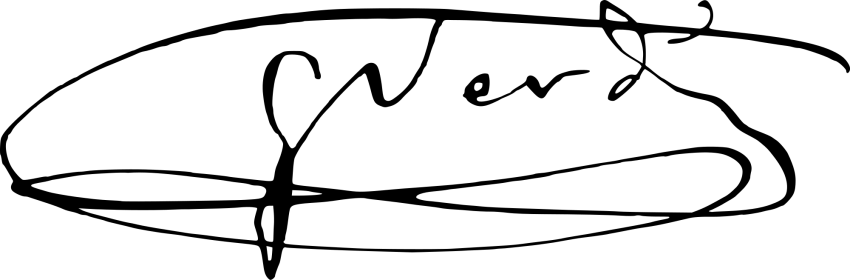
musicus organicus — Days with Giuseppe Verdi *X 9 1813
It is a wonderful world, nevertheless. This sentiment could be seen as the central motivation which led to an on-going compilation of birthdates for hundreds of individuals who, beyond their to us recognizable presence on earth, have contributed music, words, pictures, thinking, and views on life which have been engraved in our planet’s DNA, some…
-
Steve Reich *X 3 1936 — The Life You Give
Steve Reich, born Stephen Michael Reich, October 3, 1936, in New York, New York, U.S.A., is the composer who was one of the leading exponents of Minimalism, a style based on repetitions and combinations of simple motifs and harmonies. Reich was the son of an attorney and a singer-lyricist. He majored in philosophy at Cornell…

-
Sting *X 2 1951 / The Life You Give
Sting, born Gordon Matthew Thomas Sumner, October 2, 1951, in Wallsend, Northumberland, England), is the singer and songwriter known both for being the front man of the band the Police and for his successful solo career that followed. His musical style was distinguished by its intermingling of pop, jazz, world music, and other genres. Early…

 Sila Blume