Art
-
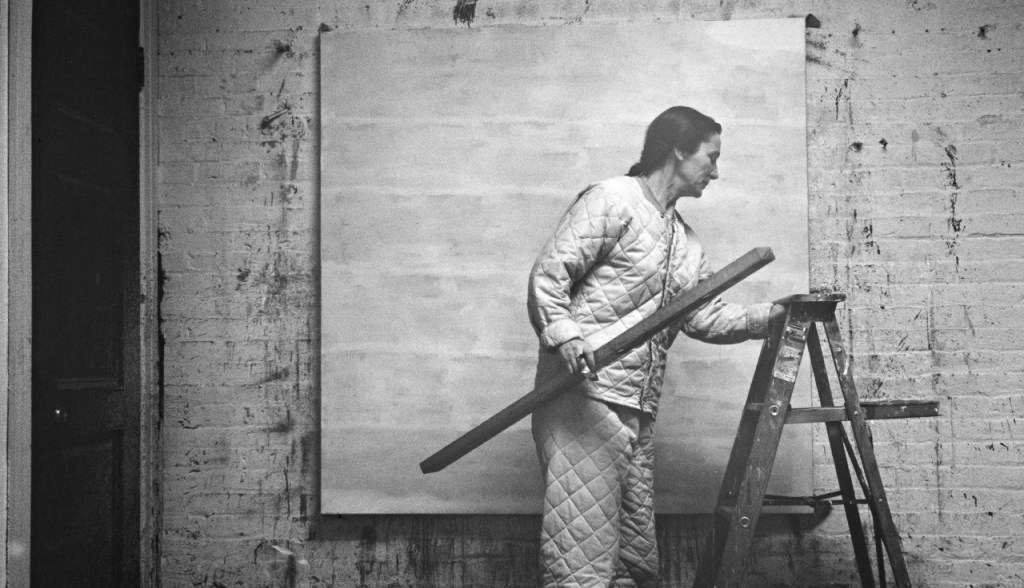
Agnes Martin *III 22 1912 — The Life You Give
Agnes Martin, born March 22 1912, in Macklin, Saskatchewan, Canada, is known as a painter. She moved to the U.S. in 1931 and became a U.S. citizen in 1950. She studied at Columbia University and taught at the University of New Mexico. In 1958 she had her first solo exhibition. Martin was a prominent exponent…
-
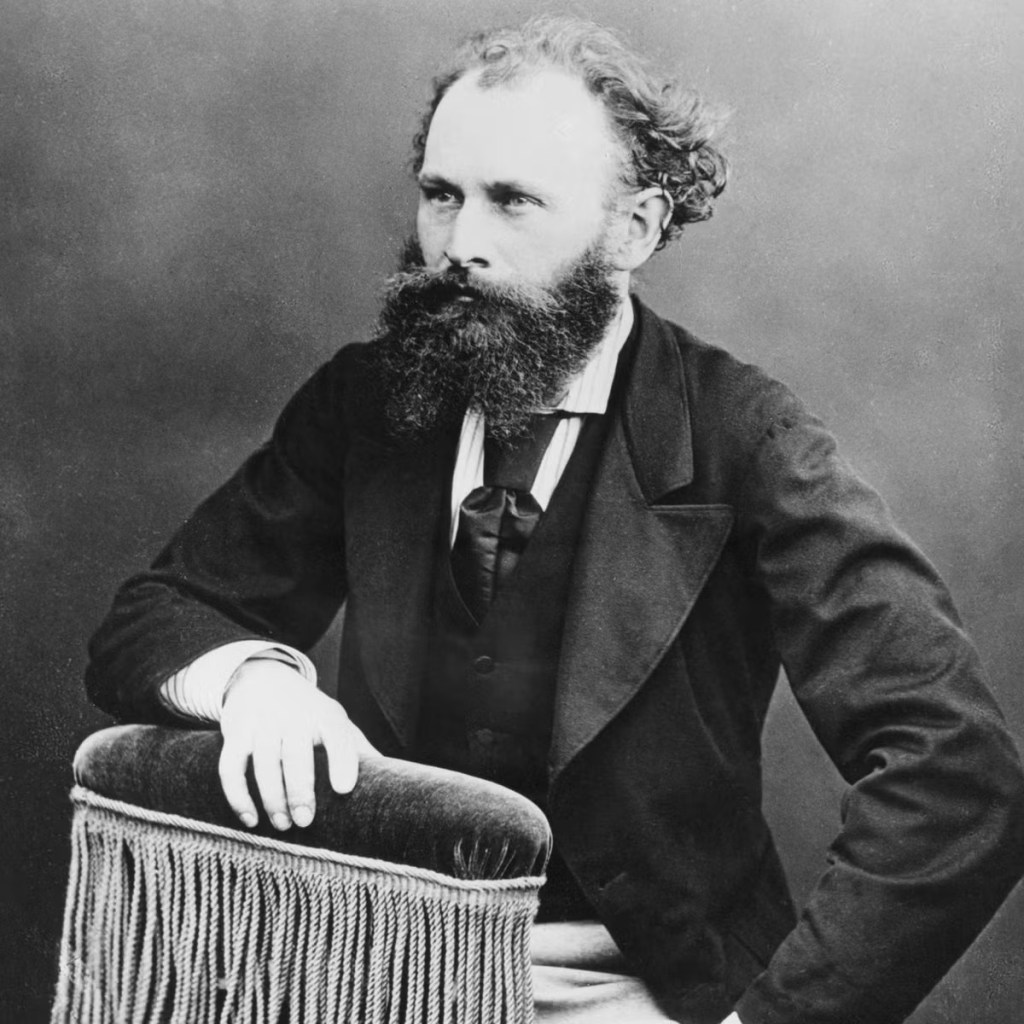
Édouard Manet *I 23 1832 — The Life you Give
Édouard Manet, born January 23 1832, in Paris, France, is the painter who broke new ground by defying traditional techniques of representation and by choosing subjects from the events and circumstances of his own time. His Le Déjeuner sur l’herbe (Luncheon on the Grass), exhibited in 1863 at the Salon des Refusés, aroused the hostility…
-
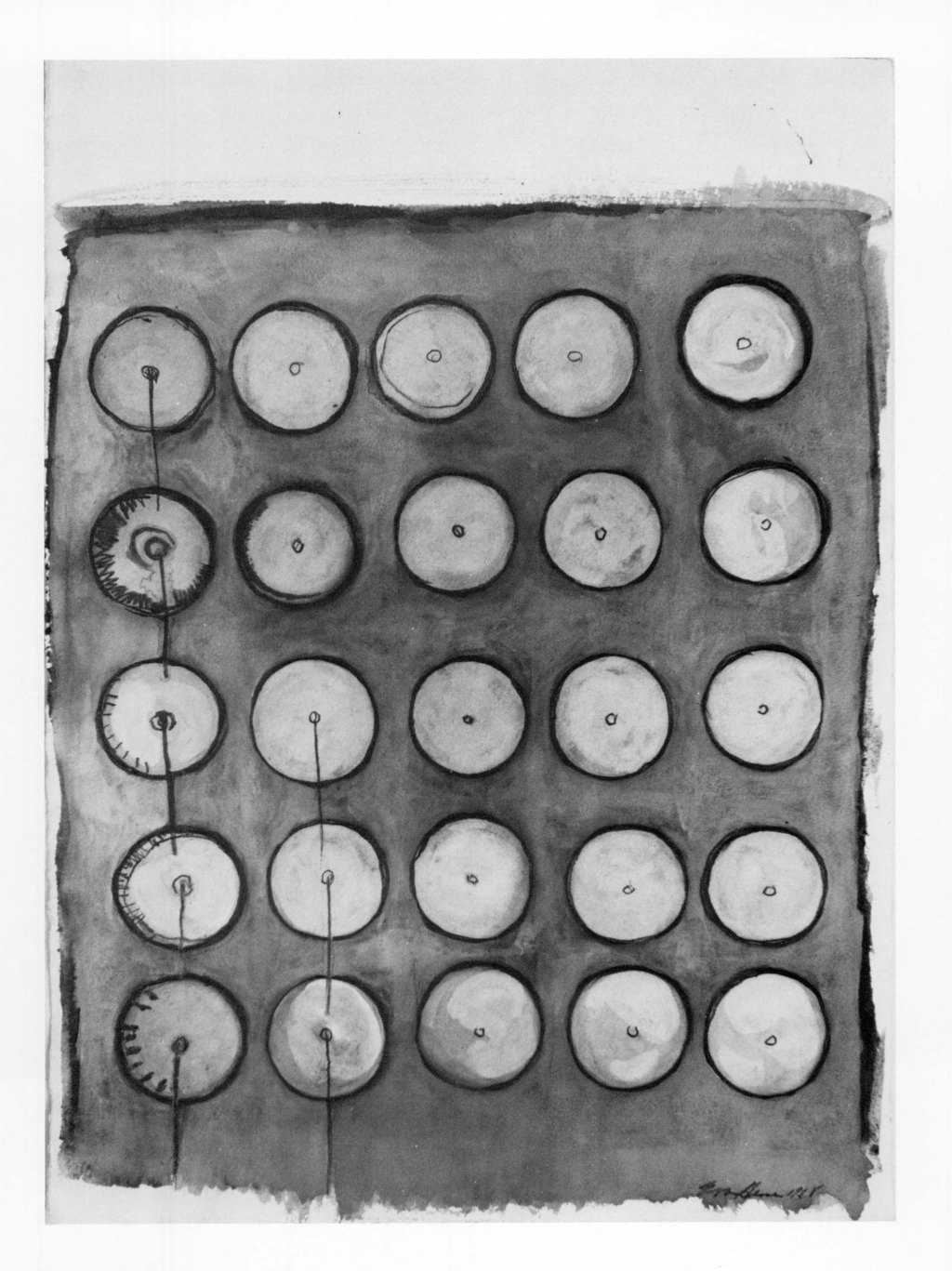
Eva Hesse *I 11 1936 — The Life You Give
Eva Hesse created innovative sculptural forms using unconventional materials such as latex and fiberglass and gave minimal art organic, emotional, and kinetic features. She scorned good taste and the decorative, creating sculptures out of repeated units which embodied opposite extremes. These extremes were born from the extremes of her own life. Hesse is recognized as…
-
Antoni Tàpies *XII 13 1923 — The Life You Give
Antoni Tàpies, born Antoni Tàpies Puig, marqués de Tàpies), December 13, 1923, in Barcelona, Spain, was a Catalan artist, credited with introducing contemporary abstract painting into Spain. He began as a Surrealist but developed into an abstract artist under the influence of French painting and achieved an international reputation. In 1943 Tàpies began studying for…

-
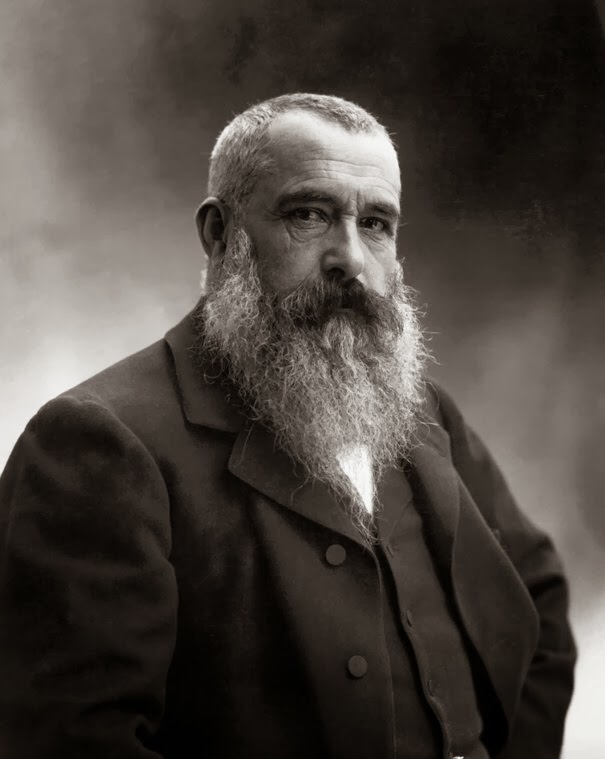
Claude Monet *XI 14 1840 — The Life You Give
Oscar-Claude Monet, born November 14, 1840, in Paris, France, is the painter who became the initiator, leader, and unswerving advocate of the Impressionist style. In his mature works, Monet developed his method of producing repeated studies of the same motif in series, changing canvases with the light or as his interest shifted. These series were…
-
Mark Rothko * IX 25 1903 — The Life You Give
Mark Rothko, born September 25, 1903, in Dvinsk, Russian Empire [now Daugavpils, Latvia], is the painter whose works introduced contemplative introspection into the melodramatic post-World War II Abstract Expressionist school. His use of color as the sole means of expression led to the development of Color Field Painting. Early life and education Rothko was born…

-
Applied Opera: Einstein on the Beach (Glass, Wilson, Childs)
Applied Opera is a series of conversations on Clubhouse, to investigate or consider a number of art pieces, particularly in the opera genre which exemplify the views on what it is to be human, or the topic of humanism. The first of the series was on Iolanta, the opera by Pyotr Tchaikovsky, in which the…

-
Lovis Corinth *VII 21 1858 — The Life You Give
Lovis Corinth, born Franz Heinrich Louis on July 21, 1858, in Tapiau, East Prussia [now Gvardeysk, Russia], is the German painter known for his dramatic figurative and landscape paintings. Corinth underwent a lengthy period of academic artistic training that began in 1876, when he enrolled at the Academy of Königsberg. He studied in Munich from…

-
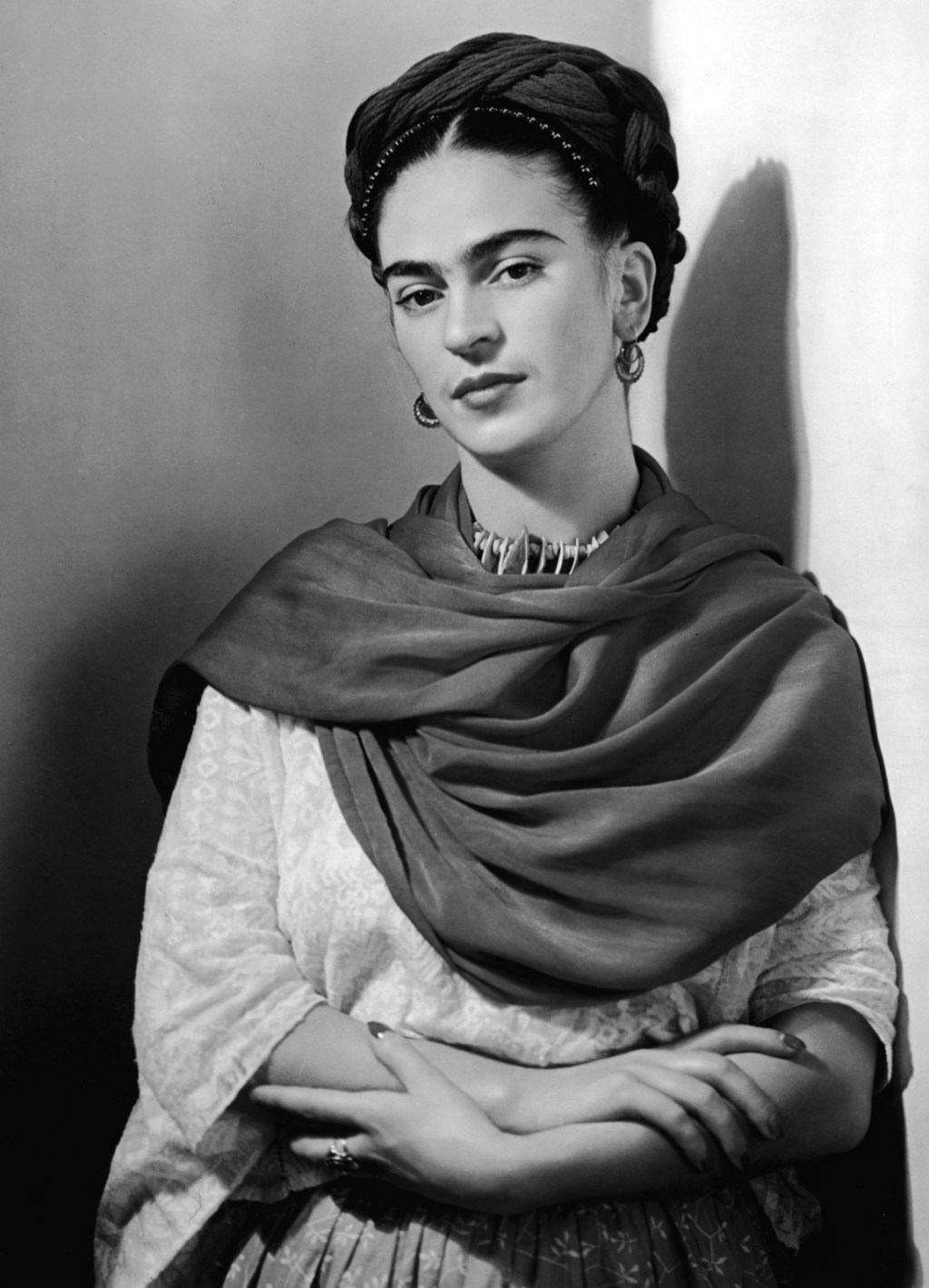
Frida Kahlo *VII 6 1907 — The Life You Give / La Vida Que Das
See English biography below Todos sabemos que las mujeres no pasaron a la historia del arte como debían. Muy pocas están en el Olimpo de los grandes artistas, pero sin duda hay excepciones y Frida Kahlo es una de ellas. Magdalena Carmen Frieda Kahlo y Calderón fue una de las pintoras más conocidas de Mexico…
-
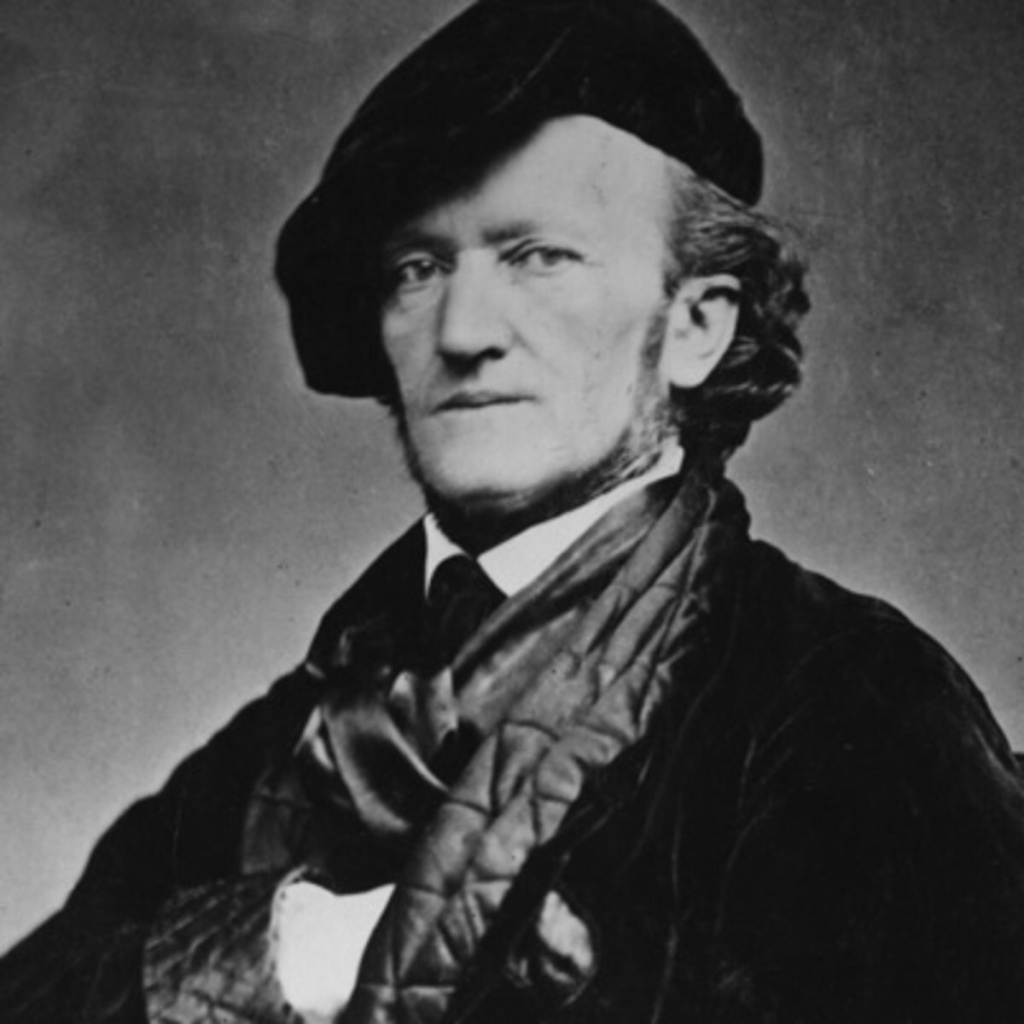
Richard Wagner *V 22 1813 — The Life You Give
Richard Wagner, born Wilhelm Richard Wagner, on May 22, 1813, in Leipzig, Germany, is the dramatic composer and theorist whose operas and music had a revolutionary influence on the course of Western music, either by extension of his discoveries or reaction against them. Among his major works are The Flying Dutchman (1843), Tannhäuser (1845), Lohengrin…
-
Albrecht Dürer *V 21 1471 — The Life You Give
Albrecht Dürer, born May 21, 1471, in the Imperial Free City of Nürnberg, Germany, is the painter and printmaker generally regarded as the greatest German Renaissance artist. His vast body of work includes altarpieces and religious works, numerous portraits and self-portraits, and copper engravings. His woodcuts, such as the Apocalypse series (1498), retain a more…

-
Agnes Martin *III 22 1912 — The Life You Give
Agnes Martin, born March 22 1912, in Macklin, Saskatchewan, Canada, is known as a painter. She moved to the U.S. in 1931 and became a U.S. citizen in 1950. She studied at Columbia University and taught at the University of New Mexico. In 1958 she had her first solo exhibition. Martin was a prominent exponent…
-
Anselm Kiefer *III 8 1945 — The Life You Give
Anselm Kiefer, born March 8, 1945, in Donaueschingen, Germany, is the painter who became one of the most prominent figures in the Neo-Expressionist art movement of the late 20th century. Kiefer abandoned his law studies at the University of Freiburg in 1966 to pursue art. He subsequently studied at art academies in Freiburg, Karlsruhe, and…


 Sila Blume