In some highly structured societies, like one will find in Japan, though being densely populated and lively, in the city of Tokyo it is not proper to eat and drink on the street.
With a very different approach to the joys found in the drinking of coffee, at the old and traditional Cafè Hawelka, in Vienna, decades ago I witnessed a possible customer, asking for a coffee to go. The son of Leopold and Josephine Hawelka responded with a dry “Hamma net”, which translates to Haben wir nicht in high German and We do not have it in English.
In Barcelona I found a coffee “shop” which easily counts as one of the very best I have visited in my life. La Cherry will not be easily spotted by the regular coffee drinker walking down the unique streets of Catalunya in Spain. Neither by those looking for traditional cafeterias, nor by the coffee enthusiasts looking for a third-wave spot. It is more like a small laboratory, and the signage visible to the street traffic merely reveals a minimalist logo, symbolizing a coffee cherry. It was that odd sign in particular what made me look closer, wanting to know what type of a business this was. Being closed that evening but having noticed through the window that it was a coffee shop, this was my first goal for the next morning.
The young men were very friendly in their welcome, and asked me, what type of coffee serving I prefer. Being highly curious, as I always am at coffee spots new to me, I pretty much asked for their suggestions. Traveling the world for coffee in general, I often want to drink what their focus is. There I dwelled for over an hour, and returned several successive days. Being there, and seeing other customers come in and out, it became clear to me that their focus on the art and science of coffee is practiced at such a level that their interest is not to have customers linger for hours. Indeed, they only have seating capacity for three or four guests.
It is not the first time that I saw a business with such dedicated approach to the product that the guest is almost unwanted. And this I do not say by any means as a negative. The traditional coffeehouse culture, principally in Vienna, has always been based on hospitality, welcoming all classes and colors to linger and be social. But this culture began before the First World War, spreading across the globe. Yet, this approach of seclusion does have a positive effect on the quality of a product.
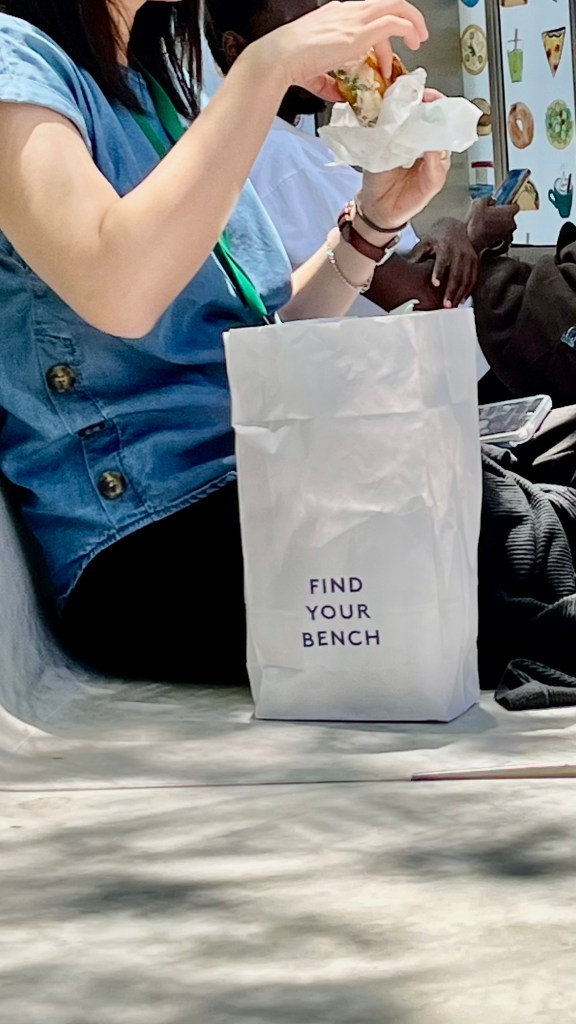
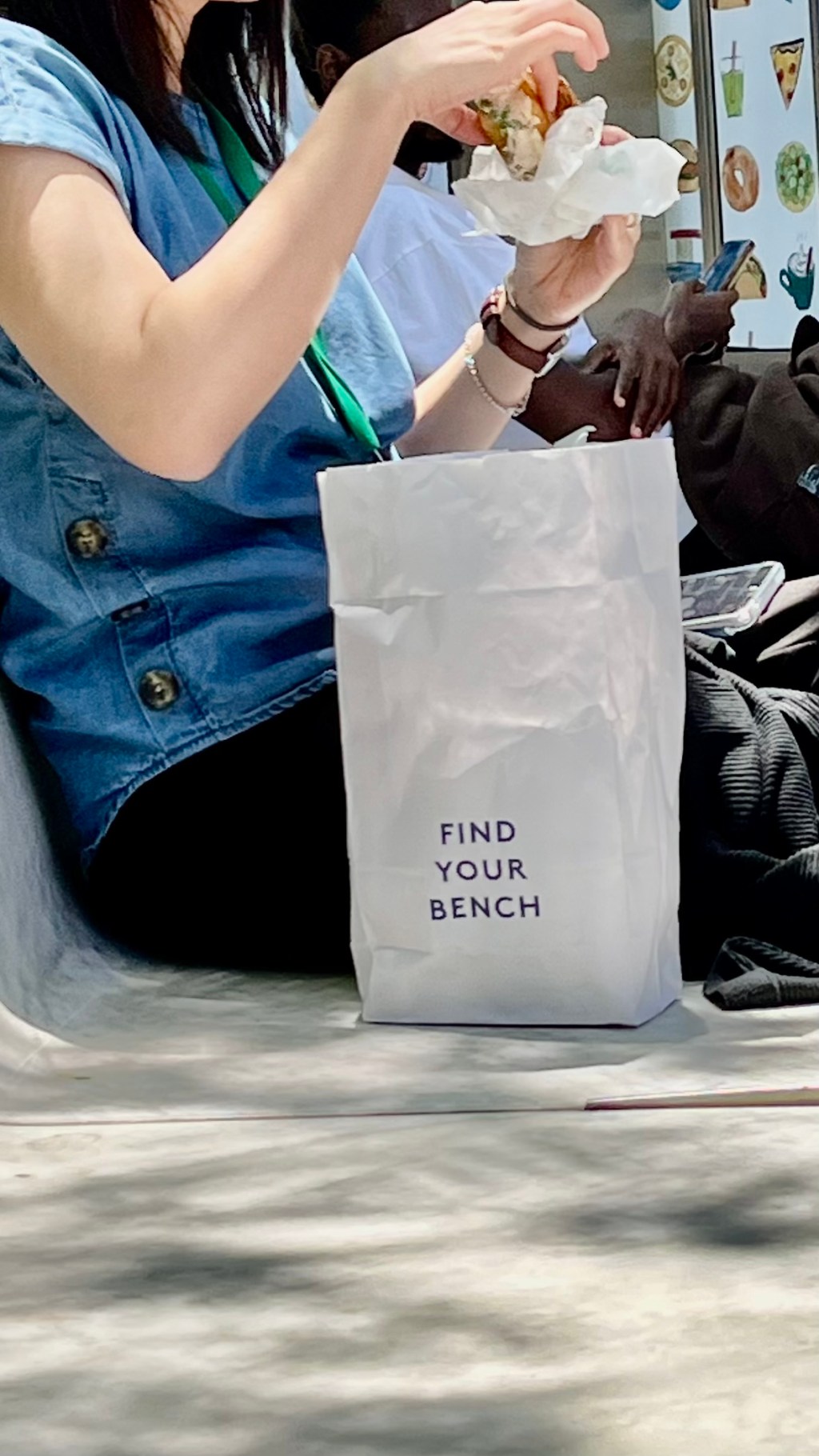
Societies evolve, though, and we have come to a point where a bag for your lunch in New York City will ask you to go and find a bench.
 Sila Blume
Leave a comment